




Japanese Decorative Dishes
Japanese decorative dishes bring hand-painted porcelain and intricate cloisonné enamel into your home, offering centuries of East Asian artistry.
Japanese Decorative Dishes
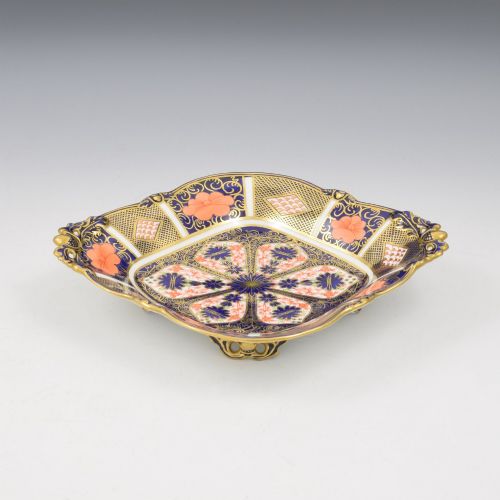
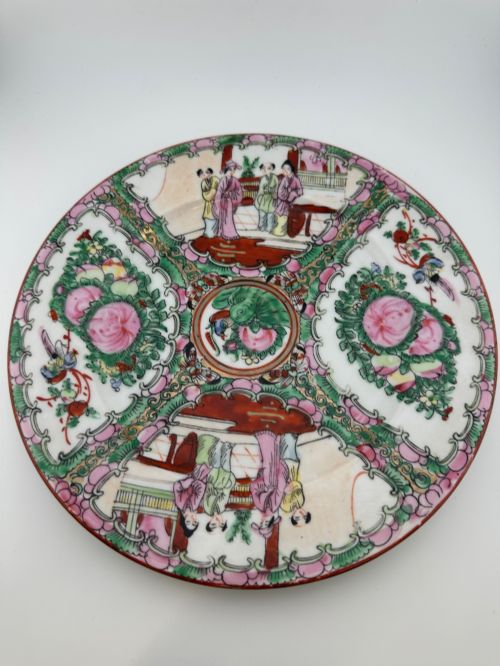
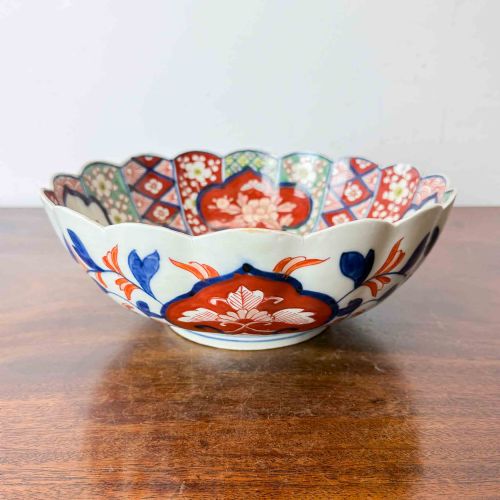
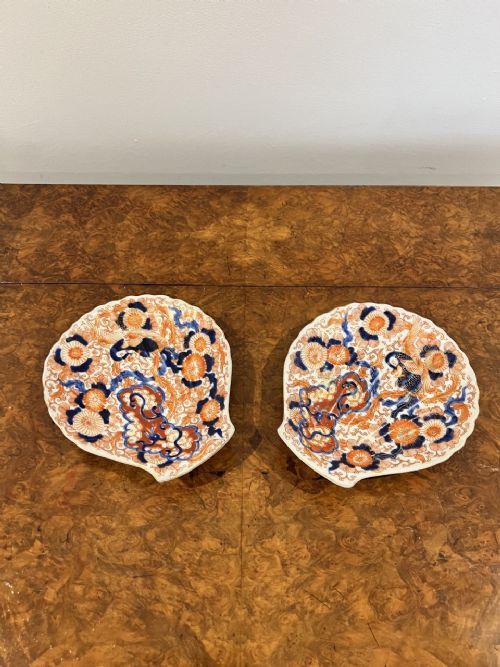
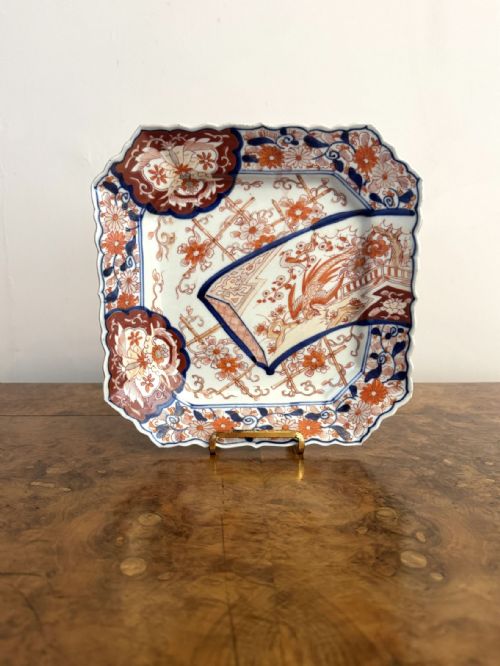
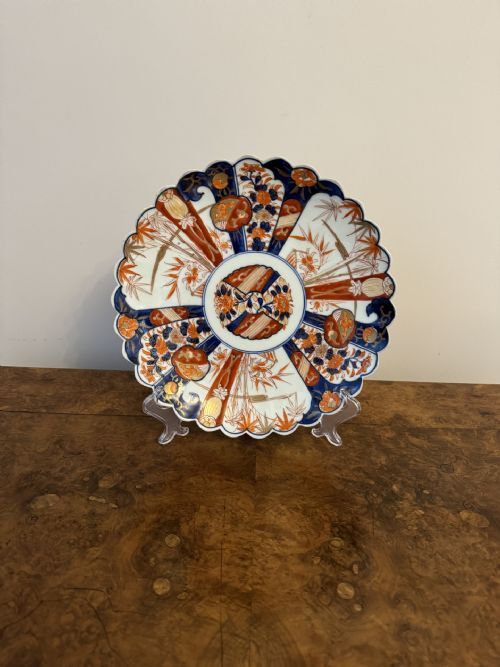
Japanese decorative dishes encompass a wide array of plates, chargers, bowls, trays, and plaques created across the nineteenth and early twentieth centuries. When searching for Japanese decorative dishes, collectors most frequently encounter large Imari chargers, Satsuma bowls, and cloisonné enamel plates from the Meiji period.
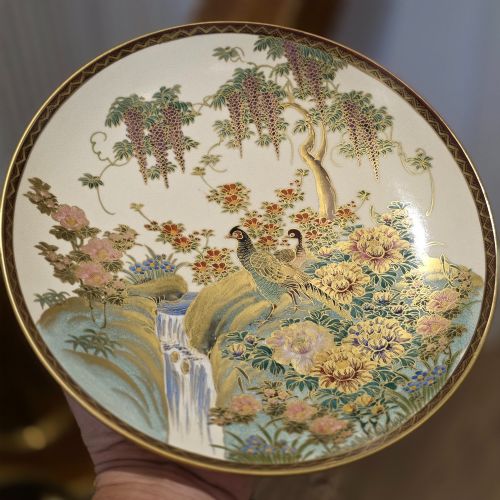
The selection ranges from small square and scalloped porcelain plates to large cabinet chargers depicting birds, flowers, landscapes, and figures. These pieces represent traditional craftsmanship originating from diverse historical eras including the Edo and Meiji periods.
How they were made
Potters and artisans utilised porcelain, earthenware, copper, and brass as the foundational bases for these decorative objects. Porcelain plates and bowls were shaped and hand-painted with blue, white, and coloured glazes before firing.
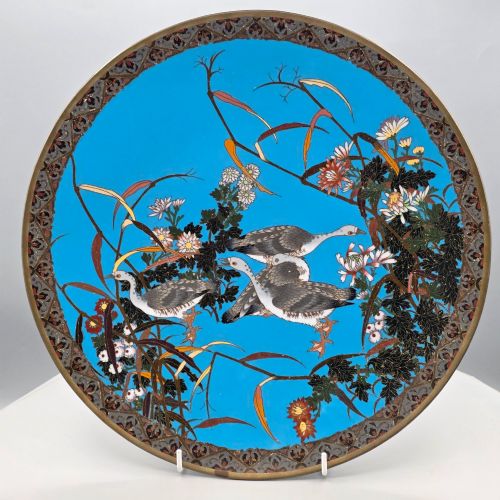
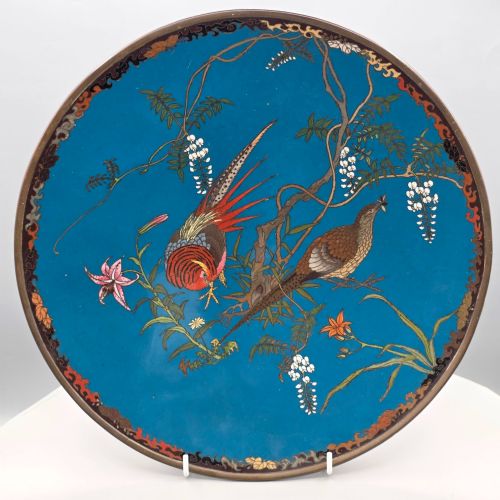
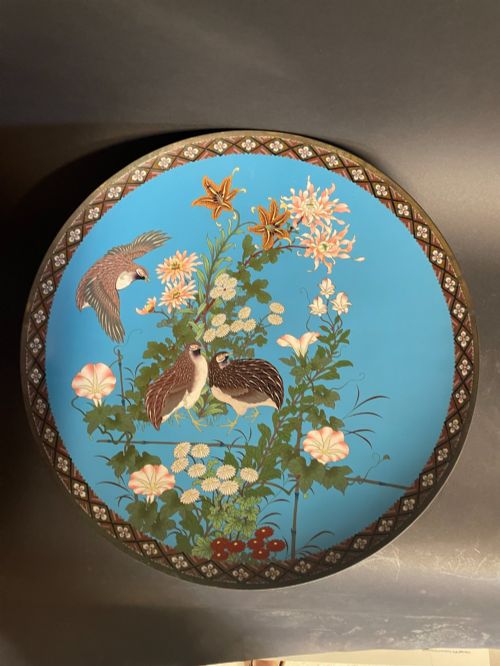
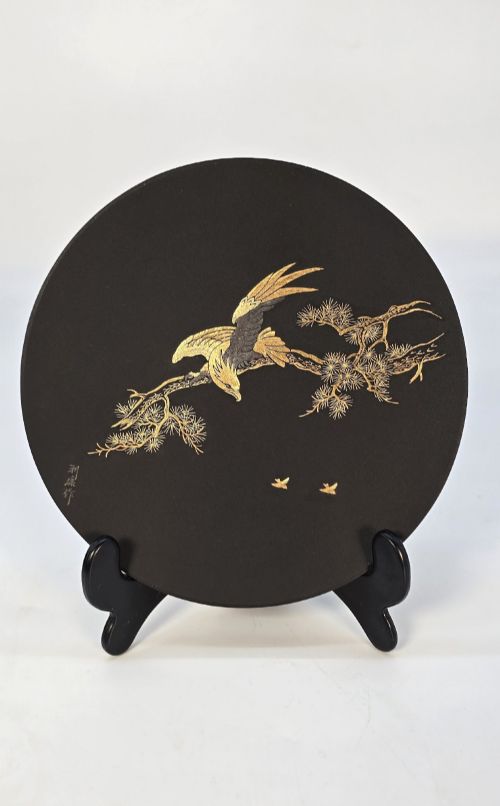
Cloisonné enamel pieces were constructed using fine metal wires soldered onto copper or brass surfaces to form cells, which were subsequently filled with coloured enamel pastes and fired. Metal plaques incorporated patinated iron embellished with gold and silver inlay.
Listings feature items from the Meiji period, Victorian era, and the early twentieth century, utilising materials such as copper, brass, and gold leaf.
What varies in quality
Quality in Japanese decorative dishes depends upon the precision of the hand-painted brushwork and the intricacy of the underlying design. Pieces decorated with complex motifs such as geese, flowers, or Mount Fuji demonstrate superior artistic execution.
In cloisonné work, the fineness of the wire-work cells and the uniformity of the enamel dictate the standard of the item. Masterpieces often bear signatures from renowned makers or workshops, distinguishing them from standard commercial output.
Koshida·Kozan
The Japanese Decorative Dishes Glossary
- Imari
- A style of Japanese porcelain decorated in underglaze blue and overglaze red, gold, and green. It originated in Arita and became immensely popular for export.
- Satsuma
- A type of Japanese earthenware featuring a pale, ivory-crackled glaze decorated with finely detailed polychrome enamels and gold leaf.
- Cloisonné
- An enamel technique where metal wires are applied to a metal base to create compartments that hold coloured enamel pastes.
- Charger
- A large decorative plate or dish intended for display on a wall, cabinet, or table rather than for serving food.
- Meiji Period
- The era in Japanese history spanning from 1868 to 1912, characterised by intense artistic production and opening to Western trade.
Japanese Decorative Dishes: Frequently Asked Questions
How do I display a large charger safely?
Large chargers are best displayed using sturdy wall mounting brackets specifically designed for heavy porcelain and metal plates, or placed securely on heavy-duty plate stands within a cabinet.
Ensure the display location avoids direct sunlight and dramatic temperature changes to protect the delicate glazes, enamels, and gold leaf.
What is the difference between Imari and Satsuma ware?
Imari ware is a hard porcelain characterised by its vibrant blue, red, and gold palette, created through high-temperature firing and robust overglaze painting.
Satsuma ware is a softer earthenware with a distinctive creamy, crackled glaze that provides a textured canvas for elaborate pictorial scenes.
Can I use these dishes for serving food?
These antique pieces are intended strictly for decorative display rather than culinary use. Many older enamel and earthenware pieces have fragile surfaces and historical glazes that are unsuited to modern dining.
Hand-washing is recommended only when dusting or cleaning is strictly necessary, avoiding harsh detergents or soaking.
How do I identify a Meiji period piece?
Meiji period items often feature extremely intricate detailing, refined metalwork, or signature panels indicating the artist or workshop. The period spans from the late nineteenth to the early twentieth century.
Stylistic influences from this era frequently include naturalistic subjects such as birds, flowers, landscapes, and Mount Fuji executed with exceptional precision.