






Japanese Ceramic Pot
A Japanese ceramic pot brings hand-thrown weight and intricate hand-painted detail into a room, offering centuries of kiln mastery for modern display.
Japanese Ceramic Pot
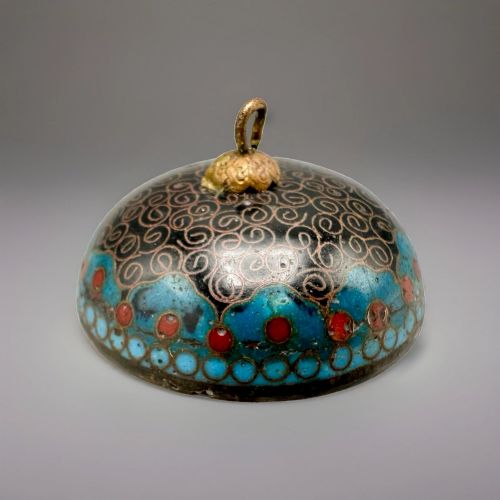
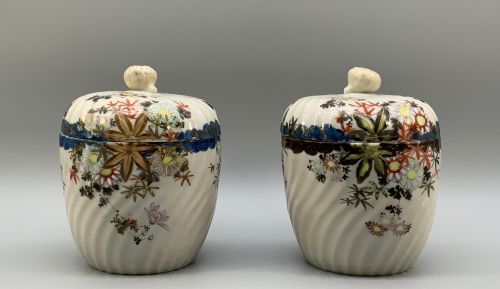
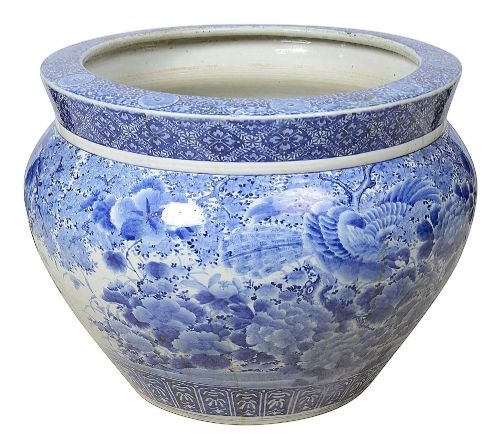
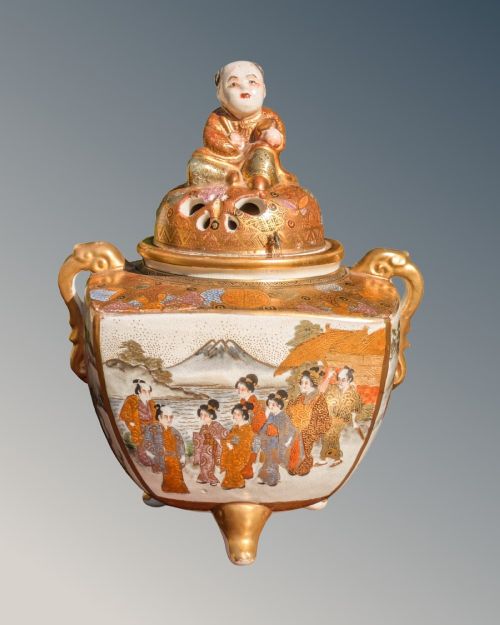
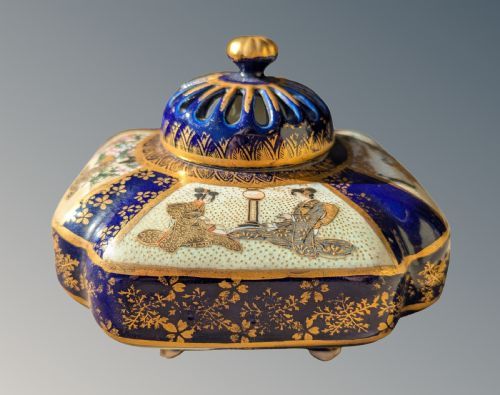
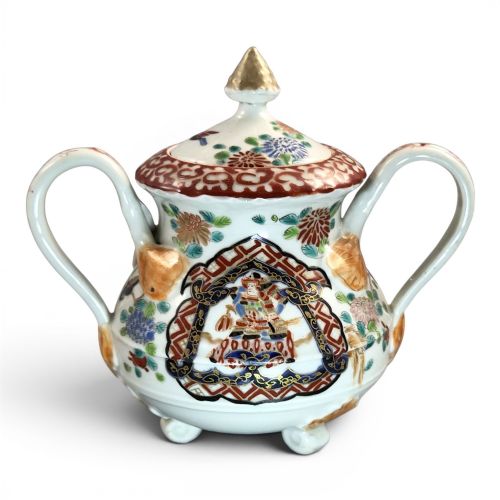
When you search for a Japanese ceramic pot, you encounter vessels ranging from large planters and jardinieres to lidded jars, sugar bowls, and delicate incense burners. The selection leans heavily toward robust nineteenth-century forms alongside earlier eighteenth-century examples and twentieth-century studio pieces.
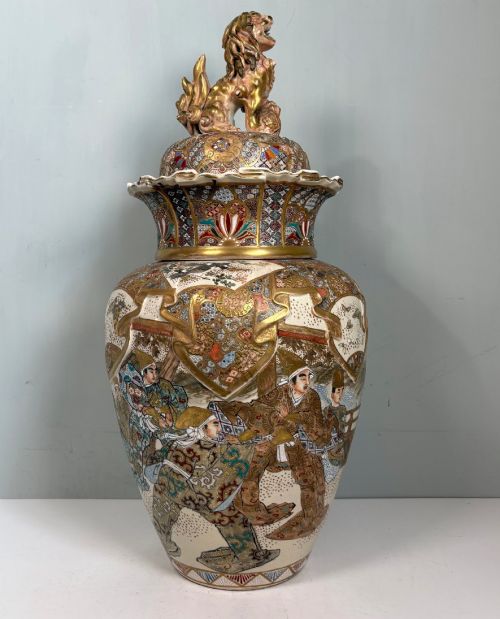
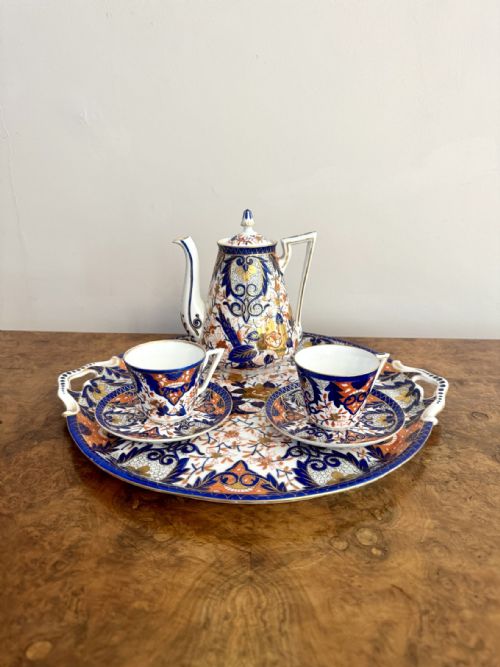
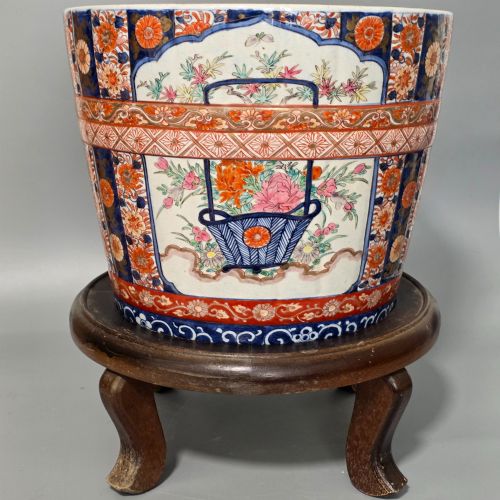
You are most likely to meet sizeable Imari jardinieres and detailed Satsuma lidded jars across these listings, often displaying characteristic blue and white pigments or rich polychrome enamels. Smaller vessels such as koros and sugar bowls appear alongside these larger display pieces.
The origins span distinct historical eras including the Edo and Meiji periods, reflecting the shifting aesthetic priorities of Japanese ceramic production for both domestic use and export markets.
Materials and Techniques
Potters shaped these vessels from clay bodies including dense stoneware, fine porcelain, and crackled earthenware, firing them in traditional kilns to achieve durable structures. Artisans then applied intricate glaze layers, often incorporating cobalt blue, vivid enamel colours, and precise gilding.
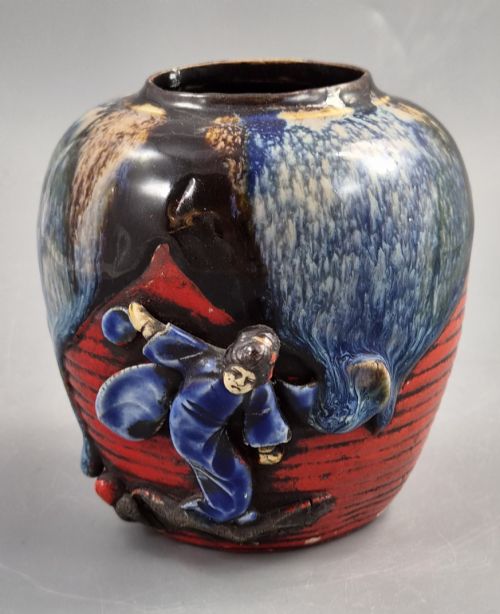
Decoration required steady brushwork by skilled hands, sometimes augmented by raised gold leaf and intricate textural effects such as flamboyant glazes. Selected vessels utilised associated hardwood stands or specialised bamboo-handle forms to complement the ceramic body.
Japanese Ceramic Pot Retail Price Guide 2026
Typical asking prices for japanese ceramic pot among the pieces listed under this phrase on Sellingantiques today, from the lower quarter to the upper quarter. They describe what is for sale here now, not the wider market.
Glaze varieties on these pages range from classic blue and white underglaze to vibrant enamel and flambé treatments.
Markers of Quality
Quality rests in the precision and depth of the hand-painted decoration, where confident brushstrokes and harmonious enamel palettes separate masterwork output from standard commercial output. The crispness of potting and the uniform maturity of the glaze finish dictate the visual strength of the vessel.
The presence of artist signatures or recognised workshop marks adds documented provenance and confirms the standing of the maker within regional pottery traditions. Superior examples maintain structural integrity alongside crisp surface detailing without excessive wear to gilding or enamel.
Kinkozan·Makuzu Kozan II·Shizan·Shozan·Kotobuki do
The Japanese Ceramic Pot Glossary
- Jardinerie
- A large decorative pot designed to hold a live plant or flower arrangement. These pieces often feature substantial handles or footed bases.
- Koro
- A traditional Japanese incense burner typically featuring a pierced lid and a bowl-like body. They frequently stand on three or more small feet.
- Imari
- A style of Japanese porcelain decorated in underglaze blue, iron red, and gold. It originated in the town of Arita and became immensely popular for export.
- Satsuma
- A type of Japanese earthenware featuring an ivory-coloured, crackled glaze. It is traditionally decorated with elaborate polychrome enamels and gilding.
- Meiji Period
- The era in Japanese history spanning from 1868 to 1912, noted for a surge in high-quality decorative arts produced for international markets.
Japanese Ceramic Pot: Frequently Asked Questions
How were these pots used?
Many of these vessels served practical roles in historic interiors, functioning as planters for indoor foliage, storage jars for sugar, or vessels for burning aromatic incense during daily routines.
Larger jardinieres accommodated heavy interior plants, while smaller lidded jars and ewers were used for serving liquids or containing dry goods within the home.
How do I style a jardiniere?
A large jardiniere works well placed directly on the floor or upon a low wooden stand, allowing its decorative exterior to anchor a corner of a room.
Matching the pot with a simple green plant lets the complex blue and white or polychrome patterns remain the visual focus of the space.
How do I spot a Meiji piece?
Meiji period ceramics often display dense, meticulous decoration combined with rich gilding and clear workshop signatures on the underside. The export market during this era drove makers to produce highly intricate Satsuma earthenwares and refined Imari porcelains.
Examining the foot ring and the character of the crackled glaze provides further clues to dating these nineteenth-century items accurately.
What is the difference between porcelain and earthenware?
Porcelain is fired at extremely high temperatures, resulting in a vitrified, non-porous body that rings when struck and typically shows bright white under fractures. Earthenware is fired at lower temperatures and requires a glaze to become impermeable to liquids.
Satsuma pieces utilise a characteristic cream earthenware body covered in a fine network of decorative crackles.