


Oriental Blue White Urn
An oriental blue white urn brings centuries of skilled ceramic tradition into a room through deep cobalt pigments painted on porcelain.
Oriental Blue White Urn
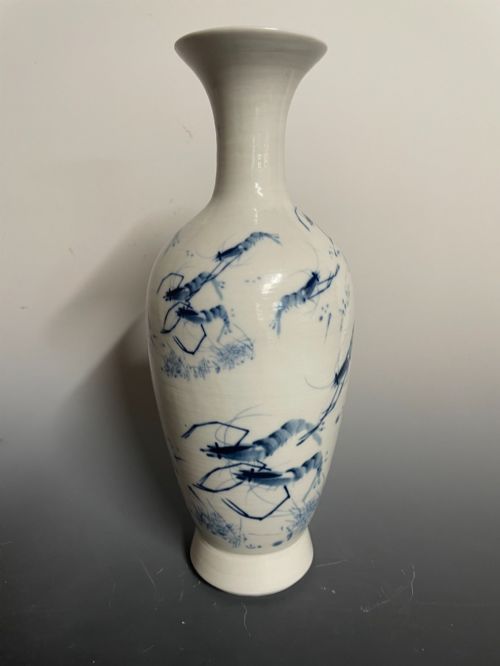
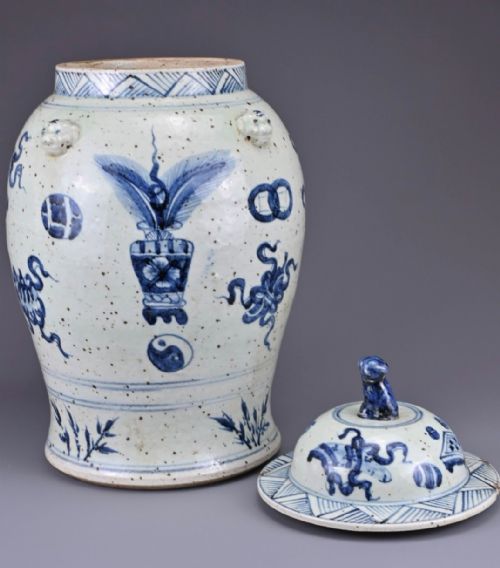
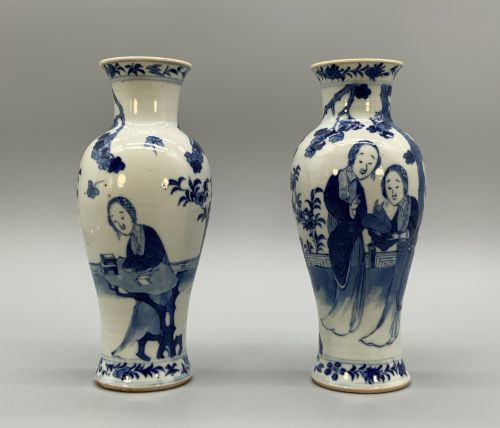
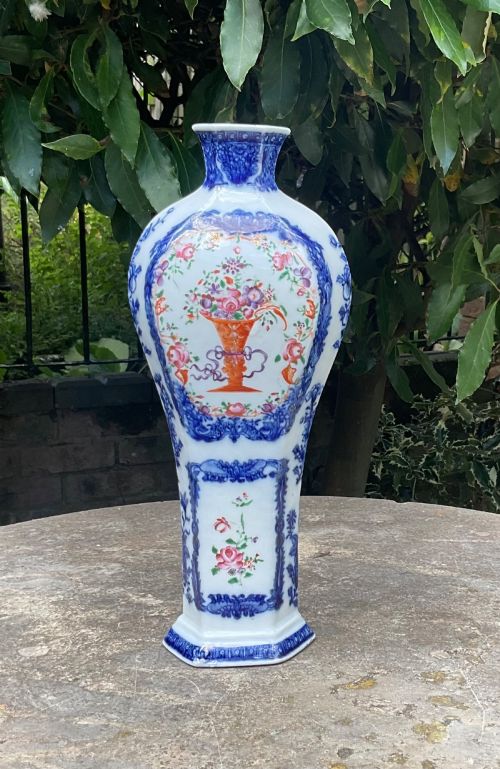
When you search for an oriental blue white urn, you encounter vessels that bridge functional storage and decorative display from various Asian traditions. The items on this page span the seventeenth century through the early twentieth century, taking the form of ginger jars, lidded vessels, and tall floor vases.
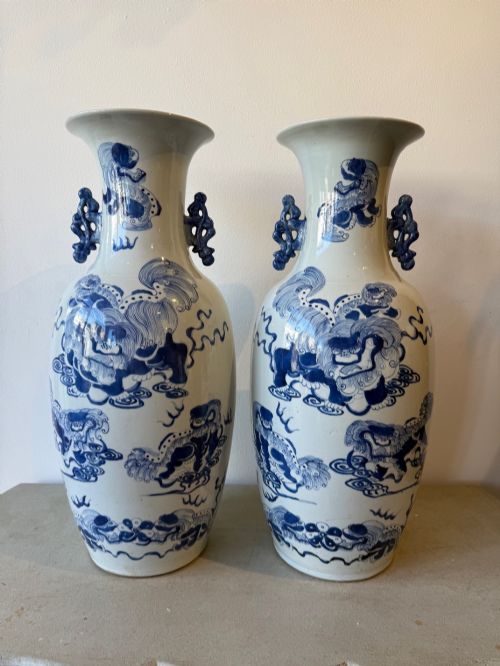
Chinese and Japanese workshops produced these pieces across multiple eras, including the Qing Dynasty and the Meiji period. Many examples survive as ginger jars, bottle vases, or large pairs intended for prominent placement in domestic interiors.
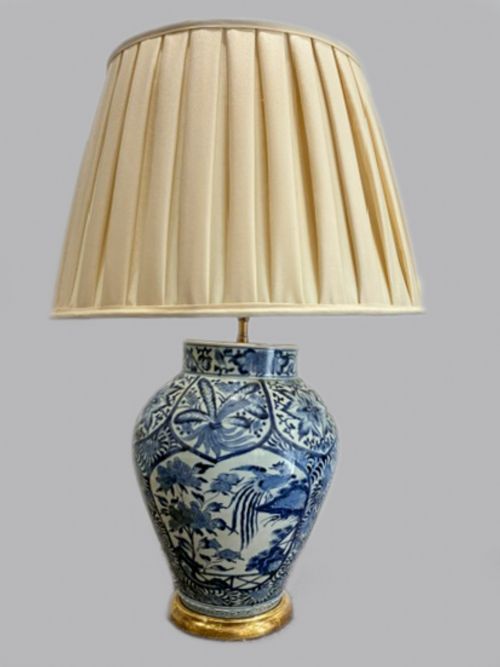
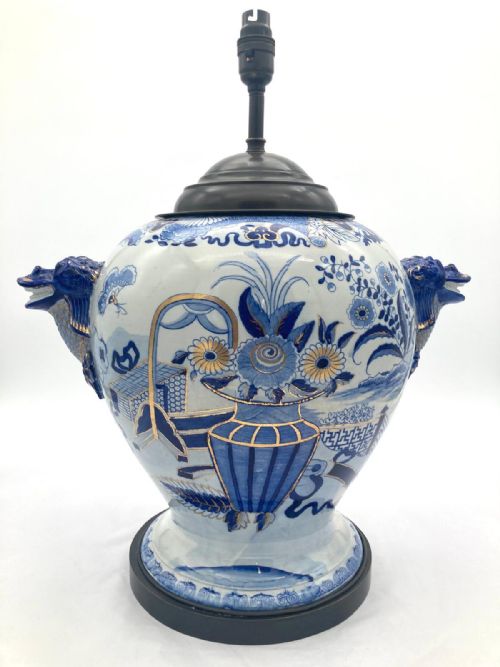
Conversion into table lamps occurs frequently within this selection, adapting historical porcelain bodies to modern lighting needs. These altered vessels retain their original cobalt glaze decoration while serving a practical domestic function.
Materials and production methods
Potters shaped these vessels from fine porcelain and ceramic bodies before applying cobalt glaze pigments by hand. Artisans then fired the pieces at high temperatures to vitrify the clay and fix the characteristic blue ornamentation beneath a clear glossy finish.
Certain examples incorporate additional elements such as brass mounts, wooden bases, or lacquer panels applied during later Victorian and Edwardian adaptations. Ironstone and crackle ware variations also appear, demonstrating diverse regional firing techniques and material compositions.
At least one nineteenth-century Japanese porcelain vase on record carries the delightful distinction of being described simply as unusual and amusing.
Factors separating exceptional pieces
Quality rests upon the crispness of the cobalt painting and the balance of the porcelain form. Superior examples display confident brushwork and well-defined figural or botanical motifs without blurring in the glaze.
The integrity of the body and the preservation of original covers dictate the desirability of lidded jars and urns. Alterations such as lamp conversions alter the original context of the piece, though professional execution preserves the decorative merit of the ceramic.
Hicks and Meigh·Makuzu Kozan
The Oriental Blue White Urn Glossary
- Porcelain
- A hard, white, translucent ceramic fired at high temperatures using kaolin clay. It forms the primary body for traditional blue and white vessels.
- Cobalt Glaze
- A metallic oxide pigment applied beneath the glaze to produce the characteristic deep blue decoration on white ceramic surfaces. This mineral withstands high kiln temperatures without losing intensity.
- Ginger Jar
- A broad-shouldered storage vessel with a domed lid, originally designed for spices and preserved goods. Later production shifted toward purely decorative display.
- Imari
- A style of Japanese export ceramics featuring underglaze blue combined with iron red and gilt details. Production centred around the port of Arita.
- Arita
- A Japanese town and production centre renowned for pioneering porcelain manufacture during the Edo period. Pieces from this region often display refined blue and white painting.
Oriental Blue White Urn: Frequently Asked Questions
How are these urns dated?
Dating relies upon stylistic markers, potting techniques, and base marks that correspond to specific historical periods like the Qing Dynasty or Meiji era. Cobalt tones and glaze characteristics provide further clues to the decade of manufacture.
Examination of the foot ring and interior unglazed surfaces reveals manufacturing traits typical of seventeenth, eighteenth, or nineteenth-century workshops.
Why were many converted into lamps?
Victorian and Edwardian interior designers frequently adapted large porcelain vases and jars into electric lamps to suit contemporary lighting trends. This practice repurposed decorative vessels into functional household items.
Such conversions typically involved drilling the base for wiring or mounting brass hardware, which alters the original state of the antique but preserves its visual impact.
Are lids usually original?
Finding a lidded jar with its matching original cover requires careful inspection of the glaze continuity and clay body. Lids often suffered breakage over centuries of use and were occasionally replaced with later matches.
Matching the blue pigment tone and craquelure pattern helps confirm whether a lid belongs to the body it accompanies.
How do I care for antique porcelain?
Dust these ceramic surfaces gently with a dry, soft cloth to prevent accumulation without introducing moisture. Avoid harsh chemical cleaners that might damage historical glazes or exposed ceramic bodies.
Placement away from direct sunlight and high-traffic edges protects the vessel from accidental impacts and fading.