


Meiji Porcelain Vessel
A meiji porcelain vessel brings together intricate hand-painted enamel and gilded detail from late nineteenth-century Japan.
Meiji Porcelain Vessel
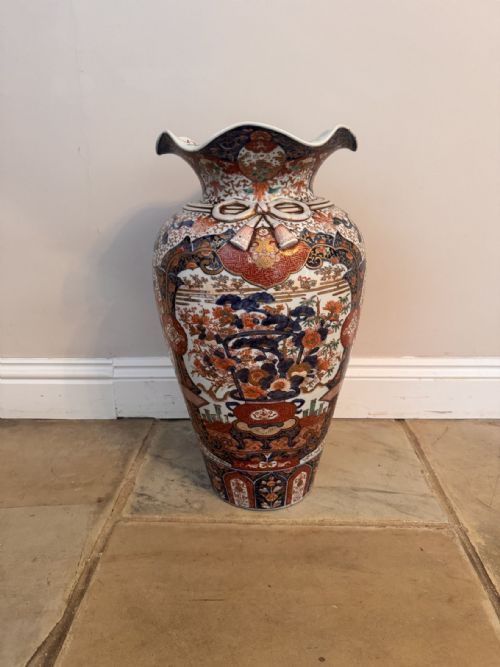
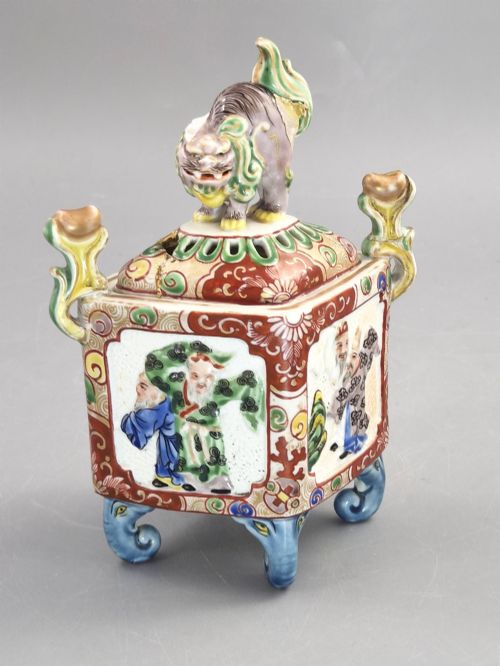
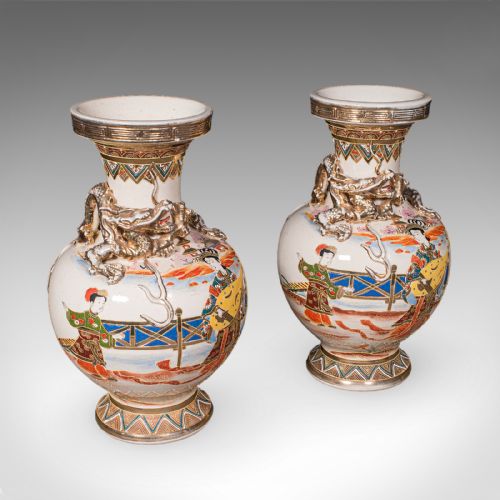
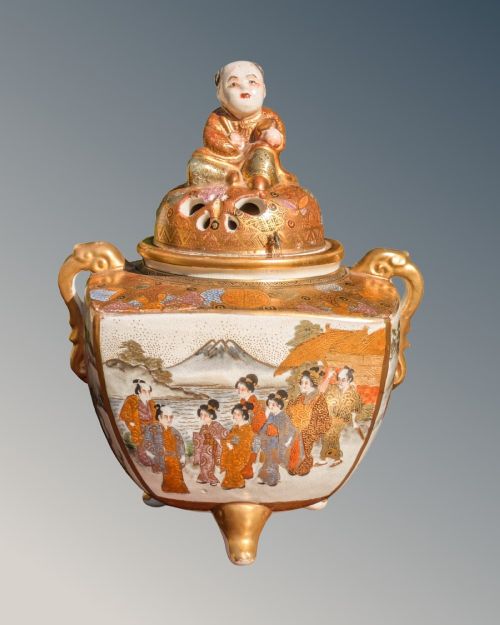
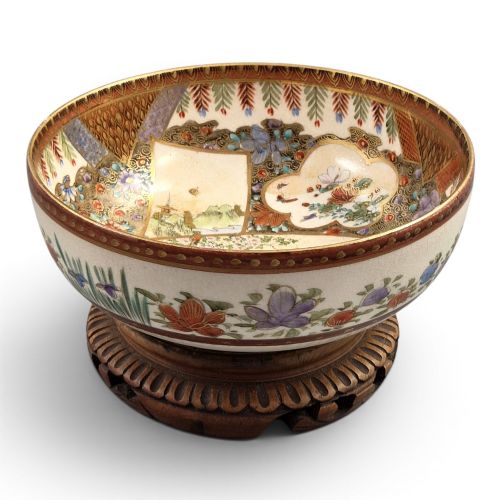
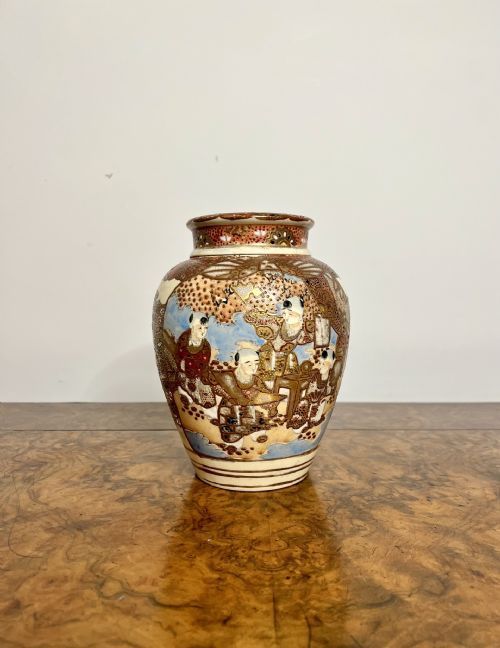
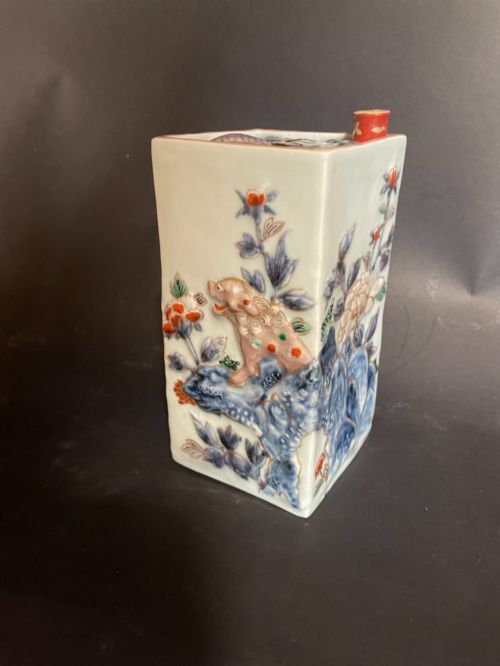
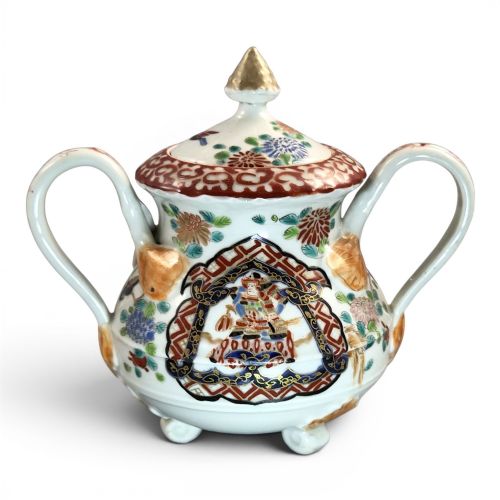
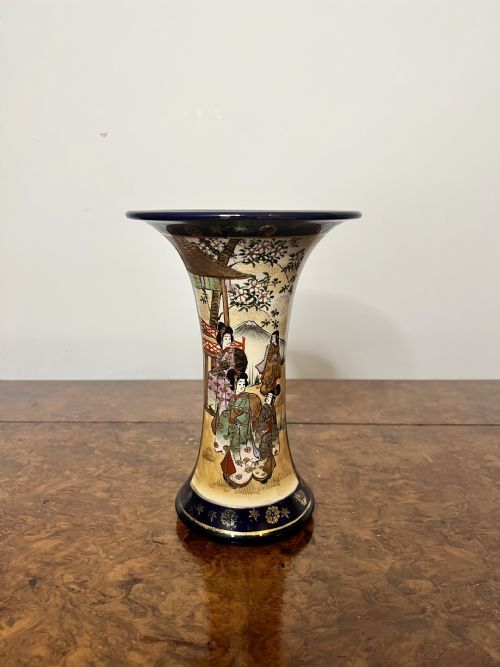
When you search for a meiji porcelain vessel, you encounter a range of ceramic forms produced during the Meiji period, alongside related earthenware pieces like Satsuma ware. The selection spans floor-standing vases, covered ginger jars, decorative bowls, and incense burners known as koro.
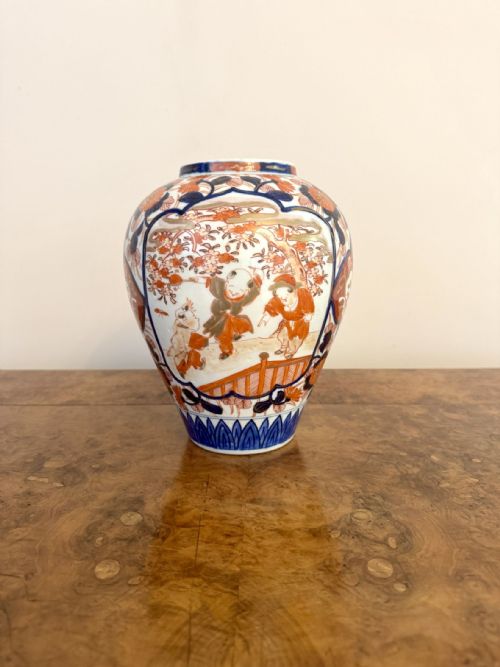
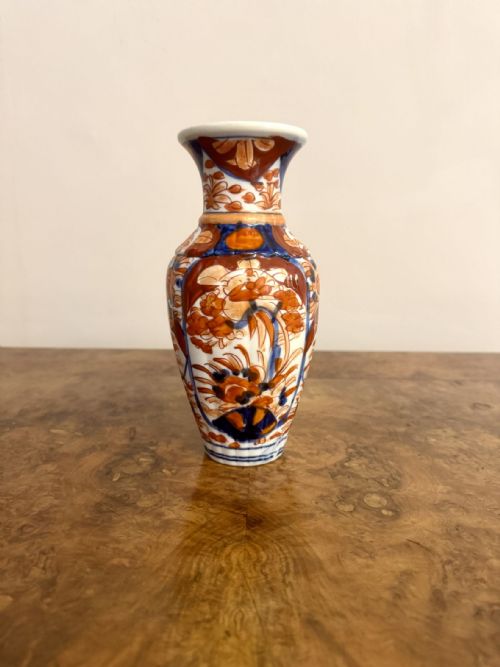
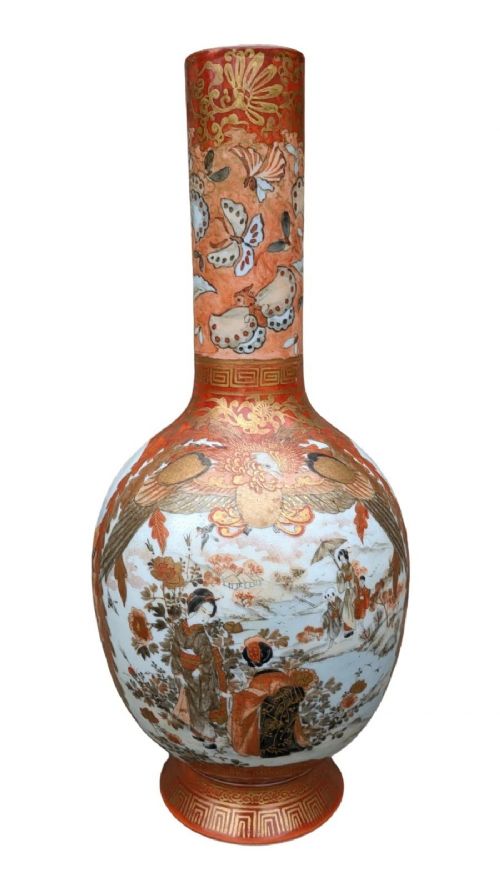
Most items on this page date from the late nineteenth century and early twentieth century, reflecting the peak of Japanese export ceramics. You will frequently find Japanese Imari styles with distinctive iron-red and blue palettes, alongside richly decorated Satsuma wares featuring figures and gold leaf.
Materials and construction
Makers shaped these vessels using porcelain clay or earthenware bodies, applying coloured glazes and detailed overglaze enamels. Artisans frequently integrated gold leaf and heavy gilding to highlight intricate figural scenes and floral motifs.
Certain pieces utilise specialised techniques like moriage, building up raised clay dots and lines to create tactile relief before adding colour. Wood stands and metal elements such as elephant head feet occasionally accompany these ceramic forms.
Keep an eye out for diminutive miniature vases that pack entire imperial processions onto surfaces barely taller than an egg.
Assessing quality
Quality rests upon the precision of the hand-painted brushwork and the complexity of the narrative scenes depicted across the surface. Pieces featuring named studio artists or recognisable workshop marks generally demonstrate superior artistry.
The density and crispness of the gilt work and enamel application distinguish finer examples from standard production items. Preservation of the original enamels and structural integrity without restoration elevate the standing of a vessel.
Makuzu Kozan·Kinkozan·Hotoda·Chosei·Kinrin Workshop
The Meiji Porcelain Vessel Glossary
- Imari
- A style of Japanese export porcelain characterised by a palette of underglaze blue, iron-red, and gold. These ceramics originated in the town of Arita.
- Satsuma
- A type of Japanese earthenware featuring a crackled ivory glaze decorated with polychrome enamels and gilding. Production centered around the Satsuma province and Kyoto.
- Koro
- A traditional Japanese incense burner typically supported on three feet and fitted with a pierced cover. They frequently incorporate guardian lion finials.
- Moriage
- A decorative ceramic technique using piped slip to create raised, beaded, or textured patterns on the surface. This method adds significant tactile depth.
- Tokuri
- A traditional ceramic flask utilised for serving Japanese rice wine. These vessels usually feature a rounded body and a narrow neck.
Meiji Porcelain Vessel: Frequently Asked Questions
How do I identify a Meiji period vessel?
Examine the piece for characteristic Meiji period stylistic markers such as dense figural processions, intricate brocade patterns, and heavy gilding. Many genuine examples carry artist signatures, studio stamps, or clan crests on the underside.
Dating relies on stylistic context, as export production intensified following the opening of Japanese ports during the nineteenth century. Comparing the glaze texture and enamel depth helps confirm the era of manufacture.
What is the difference between Imari and Satsuma?
Imari pieces consist of hard-paste porcelain decorated in deep underglaze blue, iron-red, and gold. They present a resonant ceramic ring when tapped and feature glossy glazed surfaces.
Satsuma items are earthenware bodies covered with a characteristic fine-crackle cream glaze designed to take delicate overglaze enamel paintings. These pieces feel slightly softer and display matte or semi-matte finishes with extensive gilt detailing.
Where were these vessels placed in a Victorian home?
Victorian collectors displayed large floor-standing vases and covered jars in drawing rooms and reception halls to showcase exotic global tastes. Smaller items like incense burners and miniature vases occupied mantelpieces and cabinet shelves.
These ceramics complemented heavily furnished interiors by introducing vibrant splashes of red, blue, and gold against dark wood furniture. Their intricate decorative schemes provided a focal point for contemporary interior display.
How should I care for antique porcelain and earthenware?
Dust these vessels gently with a soft, dry brush to prevent particulate buildup on raised enamels and delicate gilt surfaces. Avoid using water or liquid cleaners, particularly on earthenware with crackled glazes that can absorb moisture.
Position the pieces away from direct sunlight to preserve the vibrancy of the iron-red enamels and gold leaf. Ensure they rest on stable surfaces where vibration or accidental bumps cannot dislodge them.