



Antique Porcelain Fish Bowl
These antique porcelain fish bowl pieces bring remarkable depth to a room, offering the classic forms and rich hand-painted glazes that collectors prize.
Antique Porcelain Fish Bowl
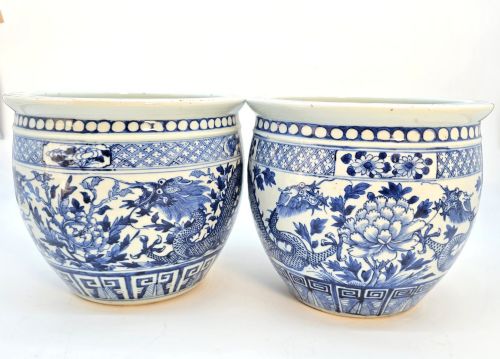
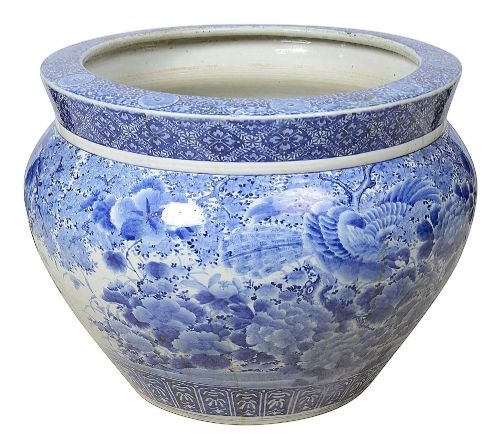
When you search for an antique porcelain fish bowl, you encounter substantial vessels created to house aquatic life, alongside related forms like jardinières, planters, and decorative dishes. The pieces on this page span the nineteenth century and the early twentieth century, featuring styles from the Qing Dynasty, Japanese Meiji period, and traditional English design.
You are most likely to meet large blue and white porcelain jardinières and round bowls originating from Chinese and Japanese kilns. These substantial vessels often serve equally well as plant containers or centrepieces, displaying robust potting and traditional decorative schemes.
How they were made
Potters shaped these vessels from ceramic and porcelain bodies, applying cobalt underglaze pigments before the final firing to create deep blue motifs. Other examples utilise rich enamel colours, celadon glaze, and gold leaf highlights applied over the fired surface.
Many items incorporate detailed hand-painted scenes, ranging from floral arrangements to traditional figurative work. The combination of durable porcelain, stable glazes, and careful pigment application allowed these large bowls to withstand heavy domestic use over generations.
Antique Porcelain Fish Bowl Retail Price Guide 2026
Typical asking prices for porcelain fish bowl among the pieces listed under this phrase on Sellingantiques today, from the lower quarter to the upper quarter. They describe what is for sale here now, not the wider market.
Listings here feature nineteenth-century porcelain, ceramic body construction, cobalt underglaze painting, and celadon glazes.
What varies in quality
The standard of an antique porcelain fish bowl depends heavily on the precision of the hand-painted decoration and the depth of the cobalt pigment or enamel colours. Finer examples display crisp detail in the motifs and an even, well-controlled glaze across the entire body.
Proportion and potting thickness also separate the finer vessels from simpler production pieces. Well-balanced walls and carefully potted rims ensure the vessel holds its shape, whether it stands alone or rests upon a hardwood stand.
The Antique Porcelain Fish Bowl Glossary
- Jardiniere
- A large ornamental pot or bowl designed to hold plants or flowers. These vessels often match the scale and form of traditional fish bowls.
- Celadon Glaze
- A transparent pale green glaze that reveals the underlying porcelain body. This finish originated in China and became highly prized across Asian kilns.
- Cobalt Underglaze
- A blue pigment applied to the raw ceramic body before glazing and firing. This technique protects the design beneath a glassy protective layer.
- Imari
- A style of Japanese porcelain featuring a distinctive palette of blue, iron red, and gold. It gained immense popularity in Europe during the nineteenth century.
- Famille Rose
- A palette of opaque enamel colours dominated by pink or rose hues. Introduced during the Qing Dynasty, it allows for subtle shading and intricate detail.
Antique Porcelain Fish Bowl: Frequently Asked Questions
How do I identify a Qing Dynasty piece?
Qing Dynasty pieces often feature characteristic cobalt blue painting, famille rose enamels, or celadon glazes applied to heavy porcelain bodies. Stylised floral, landscape, and figurative motifs provide visual clues to their period of origin.
Examining the foot ring, glaze texture, and pigment depth helps distinguish these nineteenth-century items from later reproductions. The weight and potting style further confirm the traditional manufacturing methods of the era.
How do I care for a large antique bowl?
Cleaning requires only warm water and a soft cloth to protect the delicate hand-painted enamels and gold leaf details. Avoid harsh chemical cleaners or abrasive scouring pads that can scratch the antique glaze.
When using the vessel as a planter, placing a plastic liner inside protects the interior ceramic surface from moisture damage and mineral buildup. Careful handling prevents chips along the heavy rim and base.
How do Chinese and Japanese pieces differ?
Chinese pieces from this selection often showcase deep cobalt underglaze blue, famille rose enamels, or celadon finishes rooted in long-standing dynastic traditions. Japanese Meiji period pieces frequently incorporate vibrant Satsuma earthenware styles or intricate Imari palettes.
Examining the specific brushwork, motifs, and clay body reveals the distinct aesthetic priorities of each regional workshop. Both traditions produced exceptionally large bowls designed for decorative utility.