



Underglaze Blue Ceramic Jar
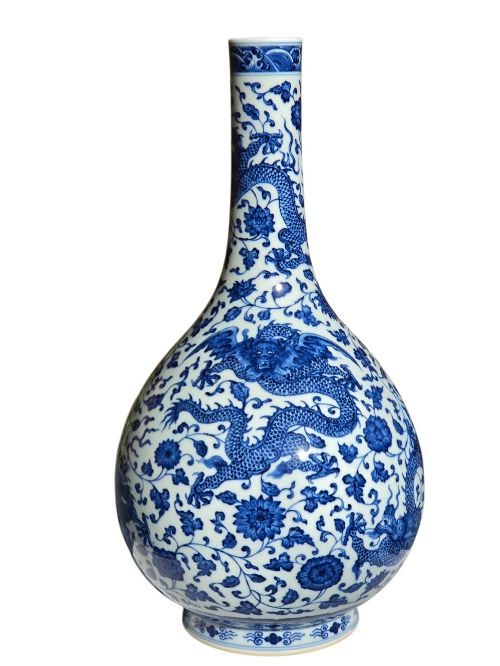
An underglaze blue ceramic jar brings centuries of pigment and porcelain together on the shelf, prized for the depth of cobalt beneath a clear glaze.
Underglaze Blue Ceramic Jar
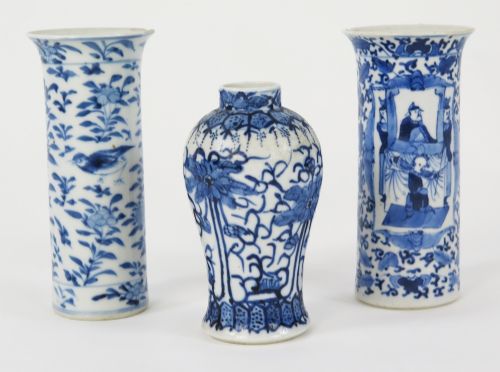
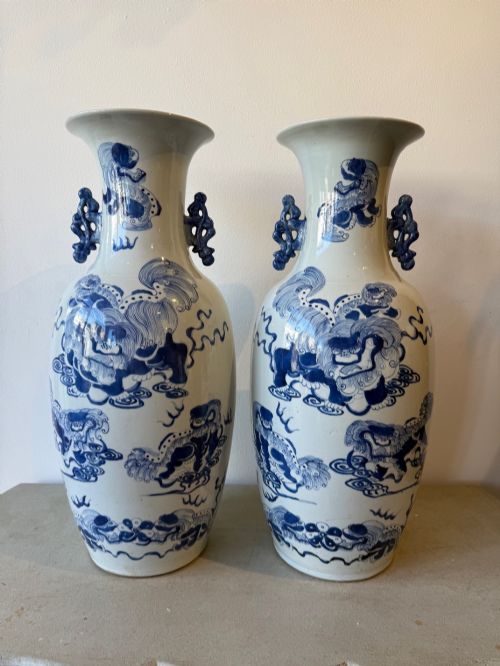
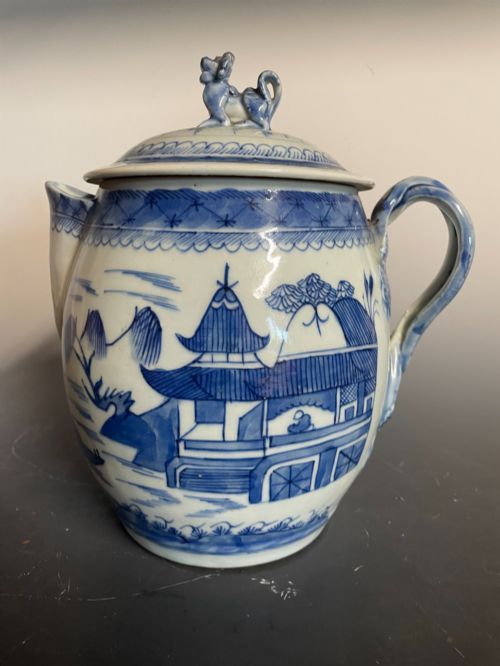
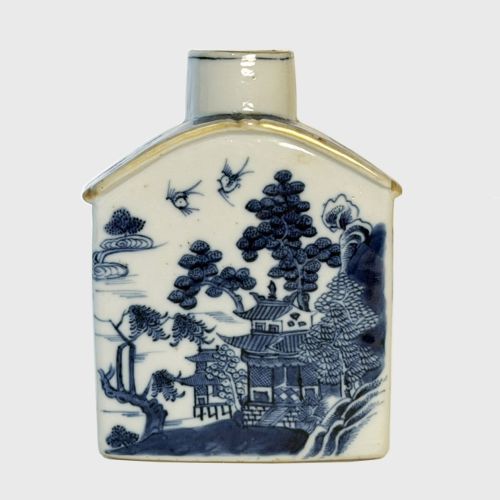
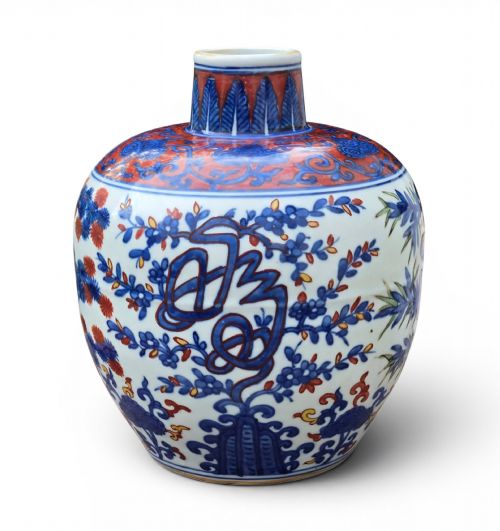
When you search for an underglaze blue ceramic jar, you encounter vessels shaped from porcelain and ceramic, spanning centuries from the Ming dynasty to the nineteenth century and the Meiji period.
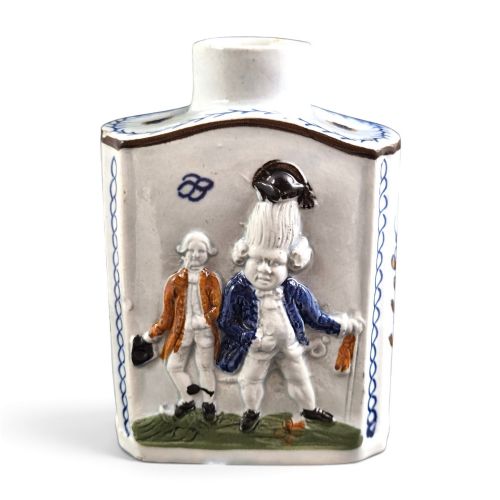
The pieces on this page appear predominantly as ginger jars, double gourd vases, tea caddies, and small lidded vessels originating from Chinese kilns and Japanese workshops.
Makers utilised cobalt pigment to paint botanical, figurative, and geometric motifs directly onto the unglazed body before applying a transparent glaze and firing at high temperatures.
How they were made
Potters shaped porcelain and ceramic bodies by hand or on the wheel, preparing vessels to receive mineral pigments before glazing.
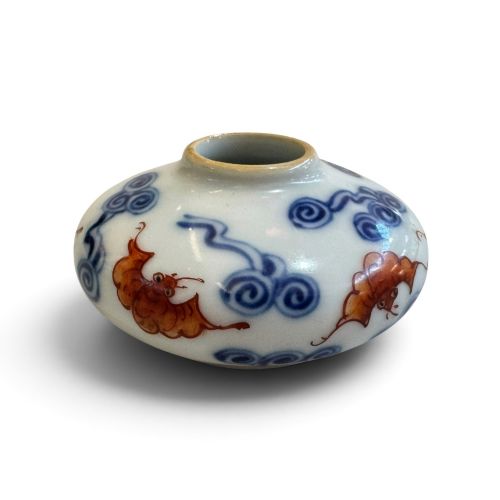
Painters applied cobalt pigment directly to the raw clay, sometimes combining it with underglaze red, enamel, or gold leaf additions.
A protective layer of glaze covered the painted surface prior to high-temperature kiln firing, fusing the cobalt into the body for permanence.
Underglaze Blue Ceramic Jar Retail Price Guide 2026
Typical asking prices for underglaze blue ceramic jar among the pieces listed under this phrase on Sellingantiques today, from the lower quarter to the upper quarter. They describe what is for sale here now, not the wider market.
Potters occasionally painted longevity symbols on jars so that even an ordinary spice container harboured wishes for a very long life.
What varies in quality
The crispness of the cobalt brushwork dictates the visual strength of the piece, separating confident painterly execution from rigid or muddy application.
Balance in the potting, from the symmetry of a ginger jar to the stability of a double gourd base, demonstrates the potter's control.
The clarity of the glaze and the purity of the porcelain body determine how luminously the blue pigment reflects light.
Makuzu Kozan·Fukagawa
The Underglaze Blue Ceramic Jar Glossary
- Underglaze
- A decoration method where pigment is applied to the raw ceramic body before the glaze is applied and fired. This technique protects the painted design beneath a glassy shield.
- Cobalt blue
- A metallic mineral oxide used to achieve deep blue tones on ceramics. It withstands the extreme heat required for porcelain firing without losing its hue.
- Ginger jar
- A wide-shouldered ceramic vessel originally made to store spices and herbs. Collectors prize them for their balanced proportions and fitted covers.
- Double gourd
- A vase or jar shaped in two bulbous sections resembling a traditional water carrier. This form holds symbolic meaning in East Asian ceramics.
- Kamcheng
- A traditional covered ceramic jar used for storage or ceremonial purposes. These vessels often feature cobalt blue painting beneath a clear glaze.
Underglaze Blue Ceramic Jar: Frequently Asked Questions
How do I date an underglaze blue ceramic jar?
Examine the base for reign marks, period seals, or stylistic clues left by the potter. The quality of the porcelain body and the tone of the cobalt pigment also offer clues to the era of production.
Compare the potting technique and form against documented examples from dynasties and periods such as the Qing or Meiji eras.
Were ginger jars originally used for ginger?
Merchants originally packed spices, ginger, and preserves inside these sturdy vessels for transport and trade. Their wide shoulders and secure lids kept contents fresh during long journeys.
Over time, households repurposed the empty jars as decorative objects and display pieces in studies and drawing rooms.
How do I care for antique porcelain?
Dust the surface gently with a soft, dry cloth to prevent the accumulation of particles in crevices and around the mouth rim. Avoid using harsh chemical cleaners or abrasive materials that might scratch the glaze.
Display the jar away from direct sunlight and areas subject to sudden temperature fluctuations to protect the ceramic body.
What is the difference between Chinese and Japanese jars?
Chinese pieces often display classic cobalt painting traditions, including botanical motifs and imperial reign marks from dynasties like the Qing. Japanese workshops frequently produced Imari wares or distinct forms associated with the Meiji period.
Examining the specific palette, clay composition, and painting style helps distinguish the origin of each vessel.