




Japanese Porcelain Blue Pot
These Japanese porcelain blue pot examples range from vibrant Imari planters to crisp cobalt underglaze jardinieres, bringing centuries of refined craftsmanship straight to your interior.
Japanese Porcelain Blue Pot
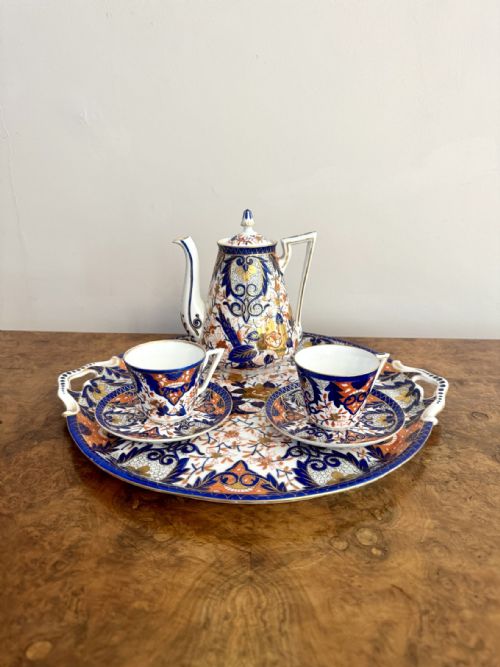
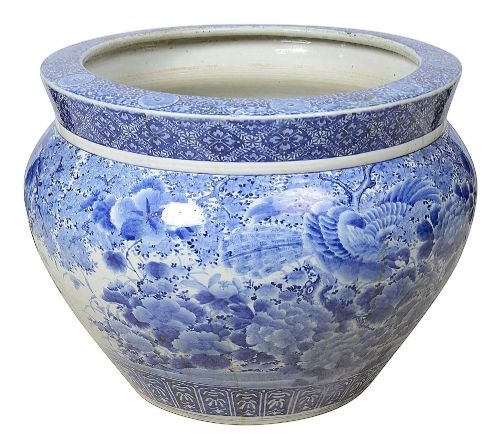
A japanese porcelain blue pot encompasses an array of containers from the seventeenth century through to the end of the nineteenth century. Buyers searching this phrase primarily encounter large jardinieres and planters, alongside smaller lidded jars and coffee sets.
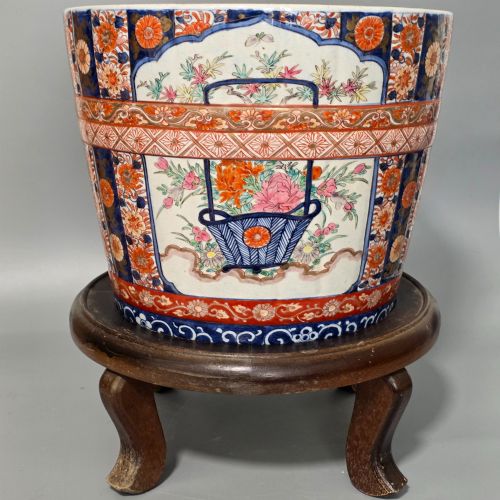
The dominant forms on this page include robust nineteenth century jardinieres decorated in the Imari palette or simple blue and white cobalt underglaze. Earlier seventeenth century pieces like Arita wares also appear, alongside associated hardwood stands that elevate the vessels.
Materials and Construction
These pieces rely on hard-paste ceramic and porcelain bodies finished with cobalt pigment and cobalt underglaze. Artisans often applied enamel and gold leaf highlights over the glaze to enrich the finished appearance.
Vessels such as planters and lidded jars frequently required substantial kilnfiring to stabilise the dense porcelain before artisans added hand-painted details. Associated hardwood stands were occasionally carved to fit the specific contours of the larger jardinieres.
Japanese Porcelain Blue Pot Retail Price Guide 2026
Typical asking prices for japanese porcelain blue pot among the pieces listed under this phrase on Sellingantiques today, from the lower quarter to the upper quarter. They describe what is for sale here now, not the wider market.
Materials recorded on this page include cobalt underglaze, enamel, gold leaf, and associated hardwood stands.
Assessing Quality and Execution
Quality rests upon the crispness of the cobalt underglaze painting and the precise application of enamel and gold leaf details. Stronger examples display a balanced composition across the porcelain surface without muddy brushwork.
The presence of original associated hardwood stands and the overall structural integrity of large jardinieres distinguish finer items from standard production. Greater care in the potting and glazing stages elevates the visual weight of the piece.
The Japanese Porcelain Blue Pot Glossary
- Arita
- A Japanese town and the primary production centre for early porcelain. Artisans there shaped the high-fired wares exported globally.
- Imari
- A style of Japanese porcelain featuring distinctive cobalt blue and iron red decoration, often enriched with gold leaf. This aesthetic developed significantly during the Edo period.
- Jardiniere
- A large ornamental pot designed to hold growing plants or flowers. These vessels often sit upon carved hardwood stands.
- Cobalt Underglaze
- A blue pigment applied directly to the raw ceramic body before glazing and firing. This technique ensures the colour remains permanent and sharp beneath the glossy surface.
- Meiji Period
- A historical era in Japan spanning from eighteen sixty-eight to nineteen twelve. Pieces from this time often exhibit elaborate enamel and gold ornamentation.
Japanese Porcelain Blue Pot: Frequently Asked Questions
What is a Japanese porcelain blue pot used for?
These vessels primarily function as decorative jardinieres and planters to house large indoor plants or floral arrangements. Lidded jars and coffee sets serve a more ornamental or domestic display role within the home.
Collectors often place large jardinieres on associated hardwood stands in reception rooms or hallways. Their robust porcelain construction handles the weight of soil and water when used with proper liners.
How do I date a Japanese porcelain blue pot?
Dating relies on examining the painting style, the depth of the cobalt underglaze, and the specific ceramic body. Seventeenth-century Arita pieces differ noticeably in weight and glaze texture from late nineteenth-century Meiji examples.
Reference points include the presence of Victorian Imari or Japonisme stylistic influences, which point firmly to the later periods. Comparing the baseline potting techniques helps narrow down the decade of manufacture.
Are these pots waterproof?
Most antique porcelain pots are vitreous and hold water effectively due to the dense, high-fired ceramic body. However, older vessels can sometimes develop hairline fractures over centuries of use.
Using a modern inner liner is advisable to protect both the antique porcelain and any associated hardwood stand from moisture damage. This preserves the interior glaze without risking leakage.
What does Imari mean on these pots?
Imari refers to a traditional Japanese aesthetic style defined by deep cobalt blue and iron red pigments, frequently accented with gold leaf. The term derives from the port where these wares were shipped to Western markets.
This decorative scheme remained popular across both the Edo period and the later nineteenth century. It provides an immediate visual signature of high-contrast colour.