





Japanese Porcelain Planter
These japanese porcelain planter pieces bring enduring craft and refined form to any room.
Japanese Porcelain Planter
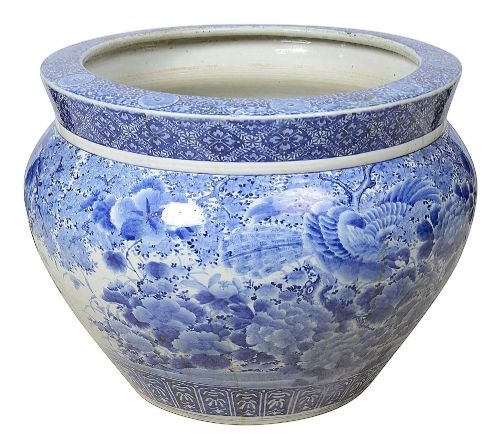
When you search for a japanese porcelain planter, you encounter vessels designed for display and botanical use, frequently listed as jardinieres, decorative bowls, and vases. The examples on this page span the Edo period through the Meiji period and into the early twentieth century, capturing centuries of ceramic traditions.
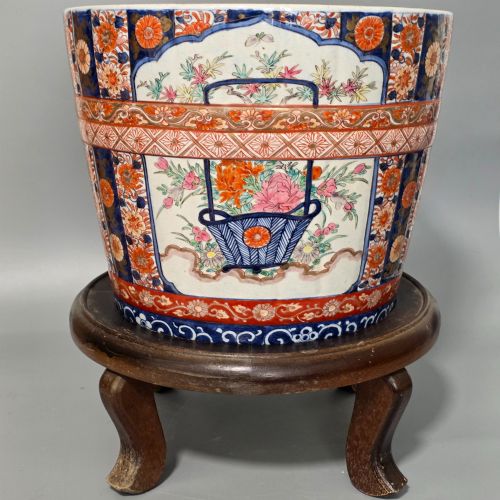
You are most likely to meet large blue and white porcelain vessels or vibrant Imari pieces, often accompanied by associated hardwood stands. Certain forms serve specific functions, such as the Sumida Gawa pottery suiban intended as a brush washer with climbing figures.
The materials and styles range from Satsuma earthenware to Arita Imari and Japonisme creations. European interpretations like Samson Imari also appear among the traditional Japanese outputs.
How they were made
Potters shaped ceramic and earthenware bodies before applying cobalt underglaze, enamel, and cold paint decoration. Artisans then fired these pieces at high temperatures to achieve durable finishes and vibrant coloration.
Many jardinieres and planters received intricate hand-painted motifs, while specialised items like Sumida Gawa wares incorporated modeled figures climbing the exterior surface. Associated hardwood stands were often carved to support the weight and shape of the heavier porcelain bowls.
Japanese Porcelain Planter Retail Price Guide 2026
Typical asking prices for japanese porcelain planter among the pieces listed under this phrase on Sellingantiques today, from the lower quarter to the upper quarter. They describe what is for sale here now, not the wider market.
Listings span the eighteenth century, the Meiji period, and the early twentieth century, utilising porcelain, earthenware, enamel, and hardwood.
What varies in quality
The distinction between standard domestic wares and superior examples rests in the precision of the cobalt underglaze work and the complexity of the enamel palette. Artisans who executed finer Meiji period pieces achieved greater depth and clarity in their painted scenes.
The presence of original or associated hardwood stands alters the presentation and completeness of the object. Vessels featuring signed signatures, such as Kōko, demonstrate individual maker attribution that elevates the standing of the piece.
Sumida Gawa Pottery·Kōko
The Japanese Porcelain Planter Glossary
- Jardiniere
- A decorative ceramic pot or stand designed to hold a plant or flower arrangement. These large vessels often sit on dedicated hardwood bases.
- Imari
- A style of Japanese porcelain featuring a distinct palette of underglaze blue, iron red, and gilt. Originating in Arita, these pieces became widely exported.
- Meiji Period
- The era in Japanese history spanning from eighteen sixty-eight to nineteen twelve, characterised by opening trade and exceptional decorative arts output.
- Suiban
- A shallow basin used for water, often associated with arranging flowers or serving as a brush washer in scholar's studies.
- Cobalt Underglaze
- A blue pigment applied to the raw ceramic body before glazing and firing, producing durable decoration beneath the glassy surface.
Japanese Porcelain Planter: Frequently Asked Questions
What is a jardiniere?
A jardiniere is a large decorative pot traditionally used to hold live plants or floral displays. They often feature substantial ceramic walls designed to sit on the floor or on low tables.
In historical interiors, these vessels served as architectural accents rather than simple gardening pots. They frequently include associated hardwood stands to elevate the porcelain from the floor.
How do I date a Japanese planter?
Dating relies on stylistic markers, glazing techniques, and period attributions noted in the manufacture. Pieces range from eighteenth century Arita Imari to Meiji period creations.
Changes in palette, such as the depth of cobalt underglaze or the application of enamel and cold paint, help distinguish nineteenth century output from earlier eras.
Can these planters hold water?
Most of these ceramic and porcelain vessels are manufactured with dense fired bodies intended to contain moisture for plants. However, historical pieces often benefit from a modern liner to protect the antique glaze.
Checking the interior for original firing cracks or later repairs ensures safe use with living botanical displays today.
What is Samson Imari?
Samson Imari refers to European ceramic pieces produced in the nineteenth century by the Samson firm in Paris. They imitated traditional Japanese Imari styles and export porcelain.
These European interpretations mirror the distinctive blue, red, and gilt palettes of Japanese originals while reflecting the manufacturing standards of nineteenth century France.