

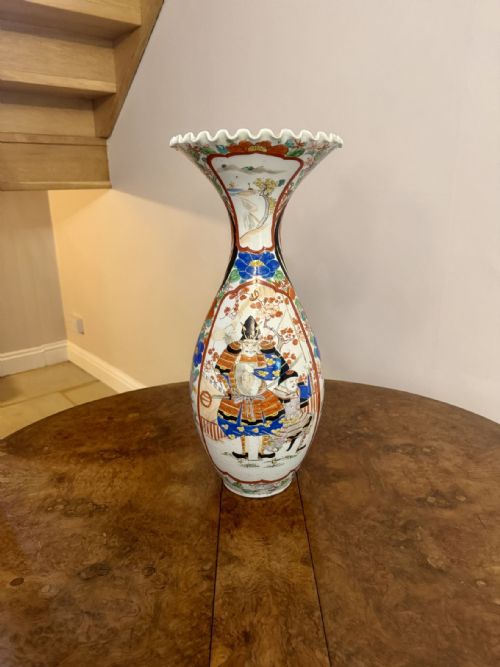

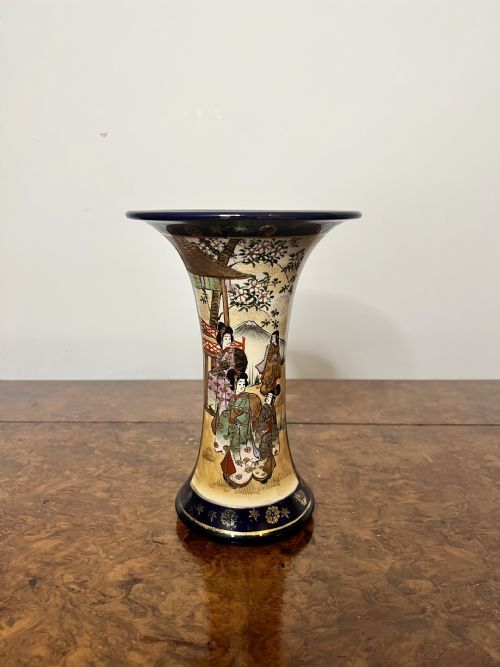


Vintage Japanese Ceramic Vase
These vintage Japanese ceramic vases bring intricate hand-painted detail and rich historical presence to any interior.
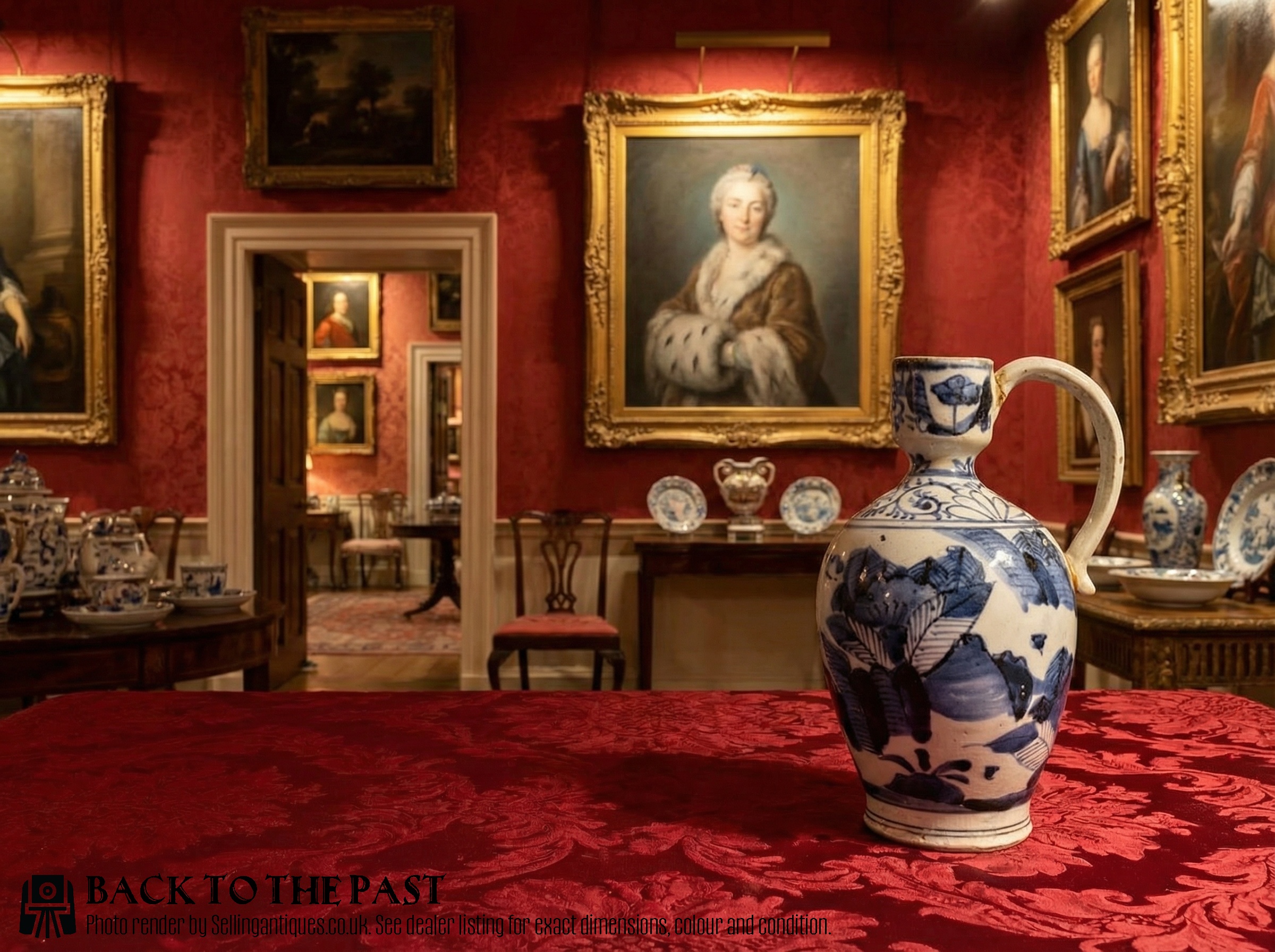
Vintage Japanese Ceramic Vase
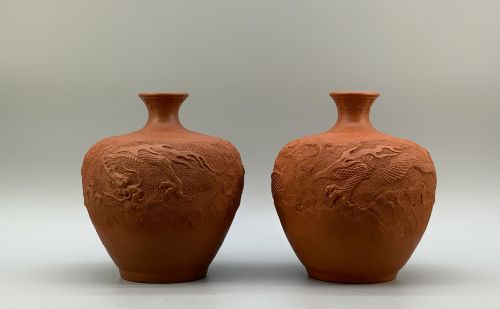
When you search for a vintage Japanese ceramic vase, you encounter a diverse range of forms spanning centuries of kiln traditions. The selection includes stout ginger jars, slender neck vessels, large floor-standing pieces, and jardinieres designed for botanical display.
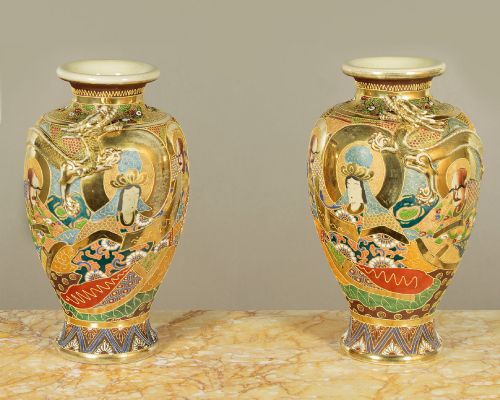
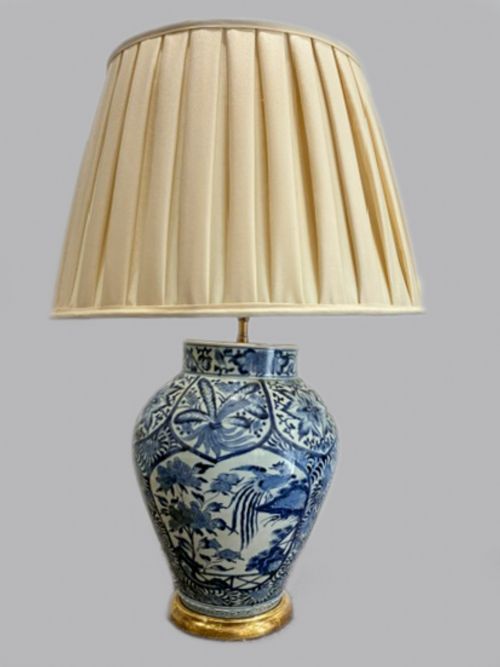
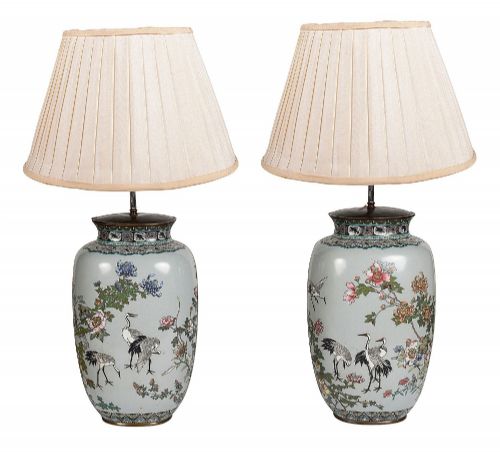
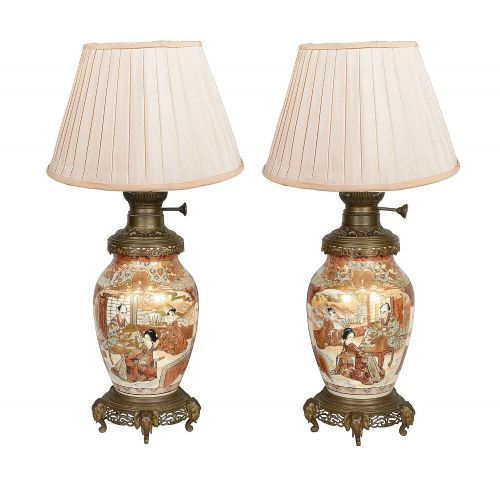
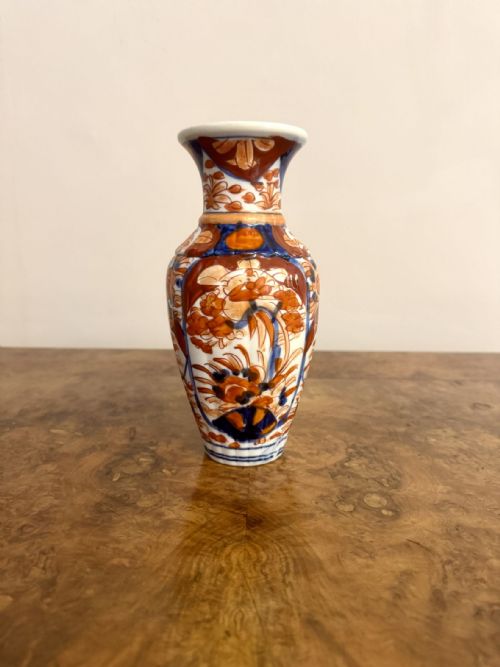
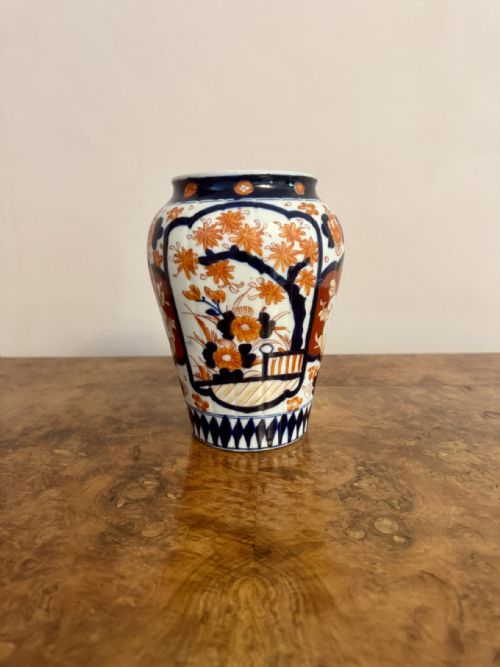
Imari porcelain and Satsuma earthenware dominate the available objects, often appearing as matched pairs orgarnitures. Many examples from the late nineteenth and early twentieth centuries show conversion to table lamps, reflecting their sustained domestic utility across generations.
Materials and Techniques
Potters shaped these vessels using dense earthenware, fine porcelain, and heavy stoneware, occasionally incorporating red clay bodies from specific regions like Tokoname. Artisans applied cobalt blue underglazes, polychrome enamels, and delicate gold leaf highlights to enrich the ceramic surfaces.
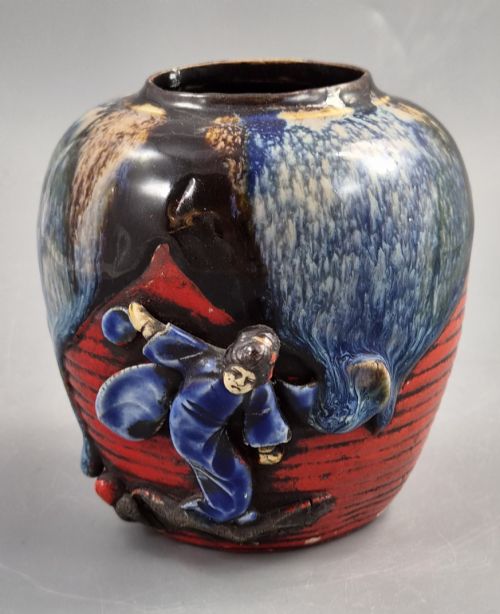
Techniques such as the distinctive blue flambé glazes and three-dimensional applied figures seen on Sumida Gawa wares demonstrate the tactile depth achieved in the workshops. Many Satsuma and Imari pieces rely on meticulous hand-painting executed over or under the initial glaze firing.
Distinctions in Execution
Quality rests primarily in the precision of the brushwork and the complexity of the decorative scheme. Finer examples display crisp, controlled figural processions, detailed landscapes, and deeply saturated enamels without muddiness.
The presence of signature cartouche marks from recognised Kyoto or Meiji period makers elevates an object significantly. Superior pieces balance structural weight with refined surface ornamentation that rewards close inspection.
Kōko·Chosei·Hakusan·Kinkozan·Makuzu Kozan II
The Vintage Japanese Ceramic Vase Glossary
- Imari
- A style of Japanese porcelain featuring a distinctive palette of underglaze cobalt blue, iron red, and gilt detailing. These wares were heavily exported from the port of Imari starting in the Edo period.
- Satsuma
- An earthenware type characterised by a fine, ivory-coloured crackle glaze that serves as a canvas for elaborate polychrome and gilt decoration. Originating in Satsuma Province, production later flourished in urban centres like Kyoto.
- Sumida Gawa
- A distinctive ceramic type originating near Tokyo, known for heavy flambé glazes and modelled figures climbing across the exterior surface in high relief. The rough, textured bodies set these vessels apart from refined porcelain.
- Garniture
- A set of three or more matching vases designed to be displayed together on a mantelpiece or sideboard. These symmetrical groupings were especially popular during the Meiji period.
- Meiji Period
- The era spanning from 1868 to 1912, marking a time of immense artistic output and international export for Japanese ceramics. Pieces from this time often exhibit exceptional technical mastery.
Vintage Japanese Ceramic Vase: Frequently Asked Questions
How do I identify Satsuma ware?
Satsuma ceramics are recognised by their warm, ivory-coloured earthenware bodies covered in a fine network of microscopic crackles in the glaze. Artisans painted these surfaces extensively with detailed figures, floral motifs, and heavy gold leaf.
You will frequently find painted maker marks on the base, often enclosed in a small rectangular cartouche. The texture feels slightly softer and more porous than hard-paste porcelain.
Are these vases suitable for fresh flowers?
While many of these vessels were originally created as decorative objects rather than functional water holders, robust porcelain examples can handle water safely. Earthenware pieces, particularly older Satsuma wares, require more caution due to their porous clay bodies and delicate overglaze enamels.
Many collectors prefer to display them dry or utilise a discreet internal glass liner if floral arrangements are desired. This protects the historic interior and any underlying glaze from moisture damage.
Why are so many vases converted to lamps?
The conversion of antique vases into table lamps became a popular practice during the twentieth century to give fragile decorative objects a functional role in modern homes. Importers and decorators mounted the ceramics onto wooden or brass bases while carefully wiring through the existing structure.
This adaptation preserves the visual artistry of the ceramic body while providing ambient lighting. Many collectors appreciate these converted pieces as period items in their own right.