
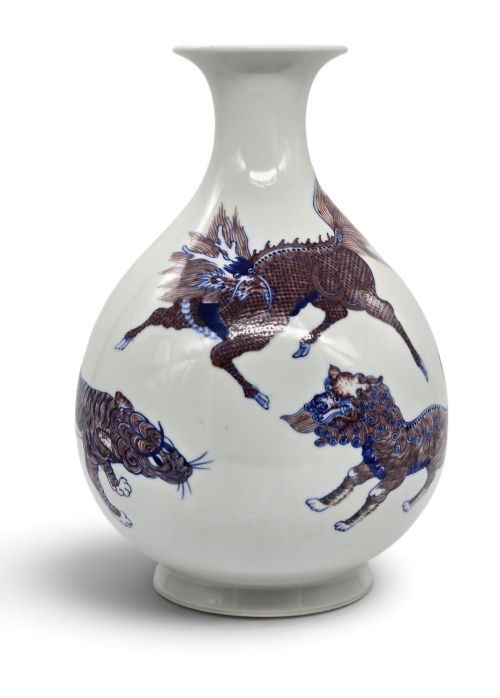
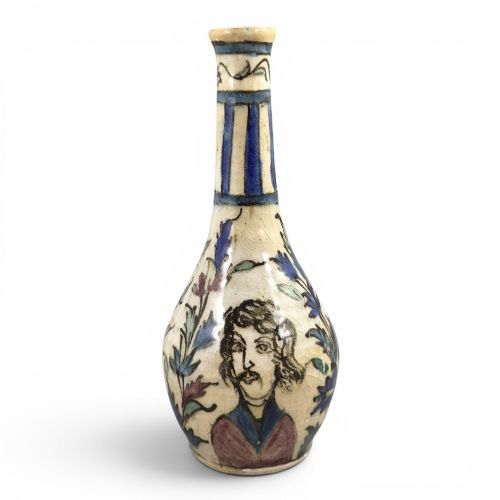
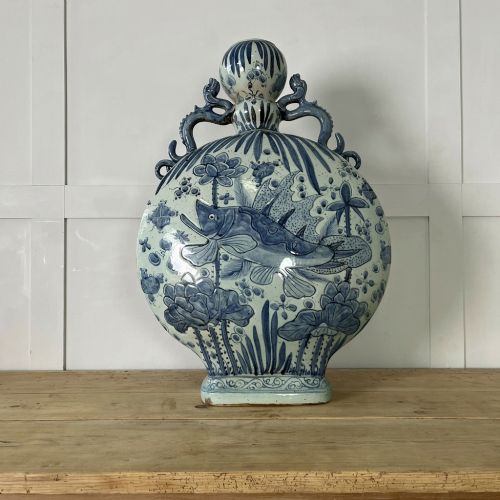


Blue White Ceramic Bottle
These blue white ceramic bottle examples span centuries of ceramic artistry, offering versatile vessels that bring historic cobalt decoration directly into modern interiors.
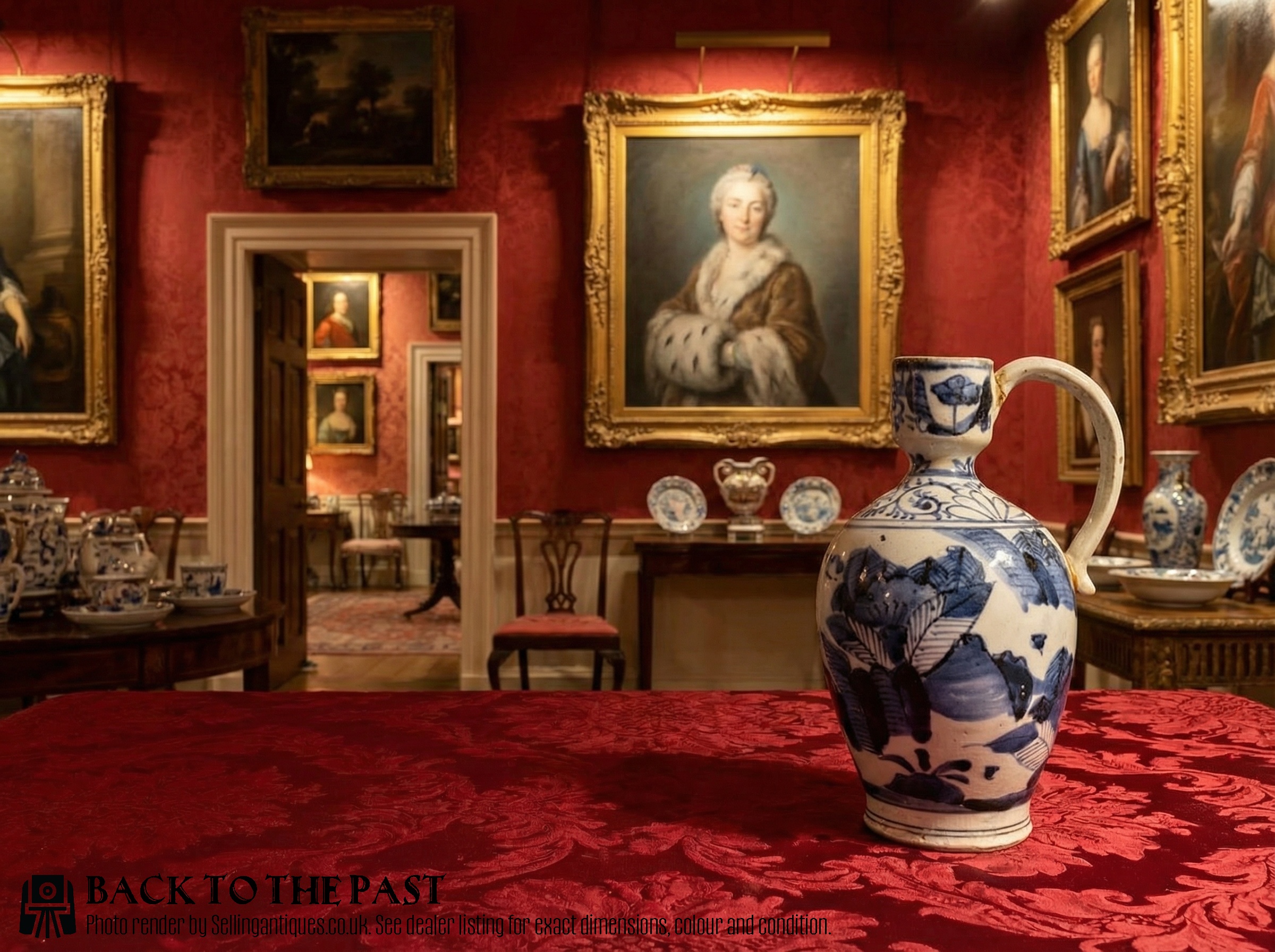
Blue White Ceramic Bottle
A blue white ceramic bottle encompasses a diverse array of historic vessels, ranging from apothecary jars and pharmacy containers to delicate snuff bottles and large display vases.
Buyers browsing this selection will frequently encounter Chinese porcelain pieces from the Qing Dynasty alongside European delftware and Italian majolica variants.
The assortment extends across multiple periods, featuring 17th-century earthenware alongside 18th-century English and Dutch examples.
Materials and methods
Potters utilised materials such as porcelain, tin-glazed earthenware, and fritware to form these robust and delicate bodies.
Decoration relied heavily upon cobalt glaze and cobalt oxide pigments applied beneath or over the surface before firing.
Many European examples employ a tin-glaze technique akin to faience and delftware, while Asian counterparts utilise high-fired porcelain.
The selection includes pieces spanning from the 17th century to the 1930s, utilising porcelain, ceramic, and tin-glazed earthenware.
Determinants of quality
The fineness of the painted brushwork dictates the distinction between standard production and masterwork execution, particularly on figurative and dragon motifs.
The purity and consistency of the cobalt pigment create variations in depth, tone, and brilliance across different kilns and centuries.
The integrity of the glaze and the preservation of delicate forms like garlic-mouth necks or flaring rims influence the overall merit of the piece.
The Blue White Ceramic Bottle Glossary
- Albarello
- A type of majolica earthenware jar used by apothecaries to hold ointments and dry drugs. These tall, waistless vessels frequently originate from Italian workshops.
- Delftware
- A tin-glazed earthenware originating in England and the Netherlands, typically decorated with cobalt blue designs inspired by imported Asian porcelain.
- Faience
- A European term for tin-glazed earthenware, known for its opaque white surface that readily accepts painted cobalt oxide decoration.
- Moon Flask
- A flattened circular flask form supported on a small base, often featuring narrow necks and handles derived from ancient metal prototypes.
- Snuff Bottle
- A small miniature container utilised to hold powdered tobacco, highly developed in China with detailed painting and carved elements.
Blue White Ceramic Bottle: Frequently Asked Questions
What were these bottles used for?
Many of these vessels served practical roles as apothecary jars, wine flasks, or pharmaceutical containers for holding dry drugs and liquids.
Others functioned purely as decorative items or precious containers for personal snuff tobacco in historical households.
How do I date a blue white ceramic bottle?
Dating relies on examining the characteristics of the clay body, the tone of the cobalt glaze, and stylistic motifs like reign marks or period-specific painting techniques.
European delftware and Italian majolica present distinct body weights and tin-glazes that separate them clearly from Asian porcelain productions.
Where did these styles originate?
The aesthetic tradition largely stems from Chinese porcelain production, which heavily influenced later European potters in England, the Netherlands, and Italy.
Regional interpretations evolved distinctive local forms, such as Persian Qajar pottery and Italian pharmacy jars.
How do I display these in a modern home?
These vessels suit placement on open shelving, mantelpieces, or dedicated display cabinets where their cobalt patterns can catch ambient light.
Pairing various forms, such as placing a moon flask alongside a tall bottle vase, adds historic depth to an interior arrangement.