

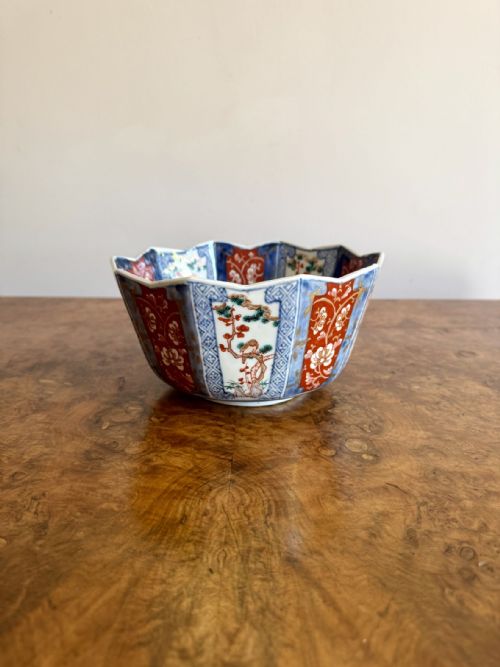


Edo Period Arita Ceramic
These pieces of edo period arita ceramic combine historical porcelain forms with intricate hand-painted palettes for collectors seeking traditional Japanese craftsmanship.
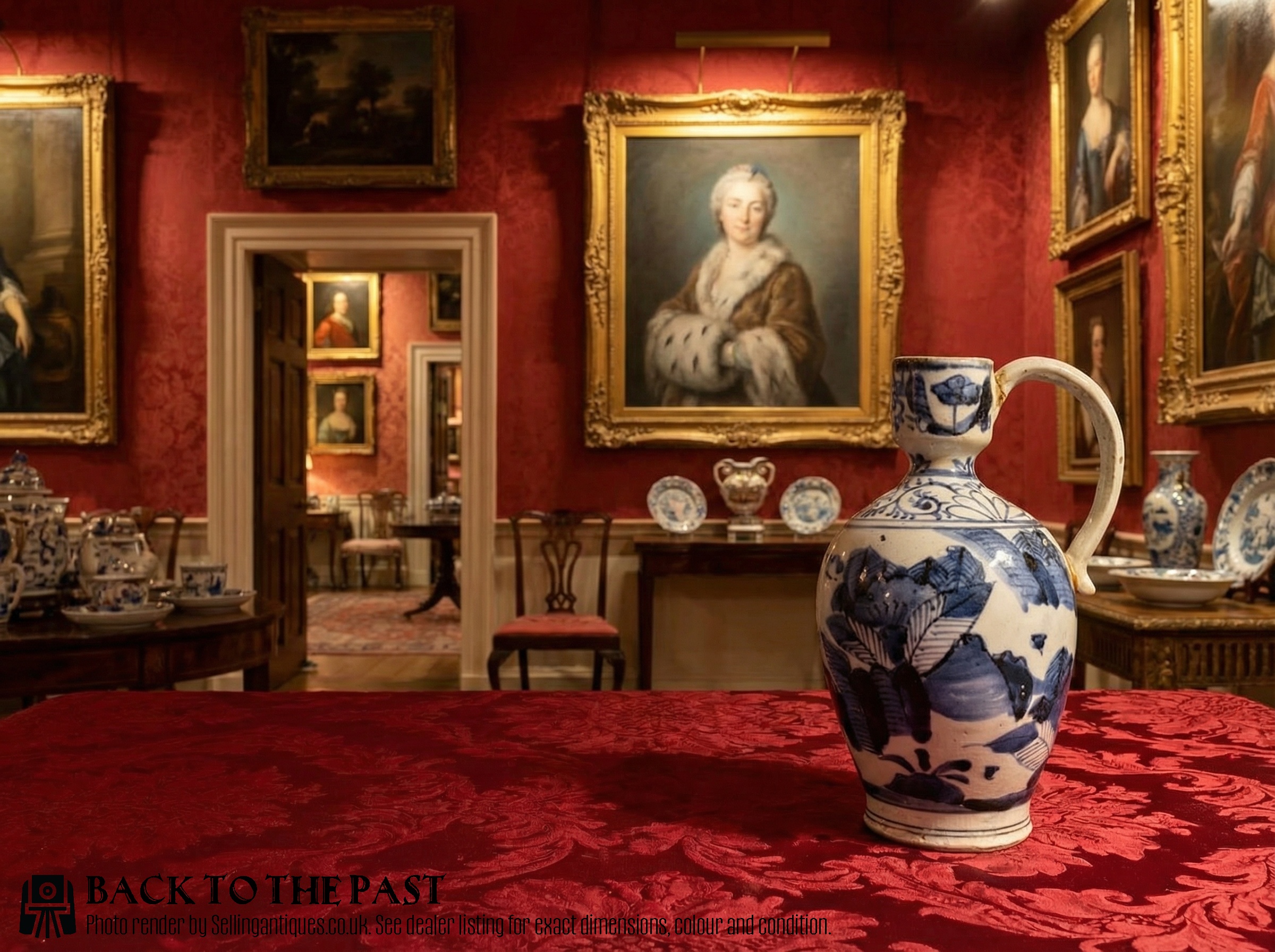
Edo Period Arita Ceramic
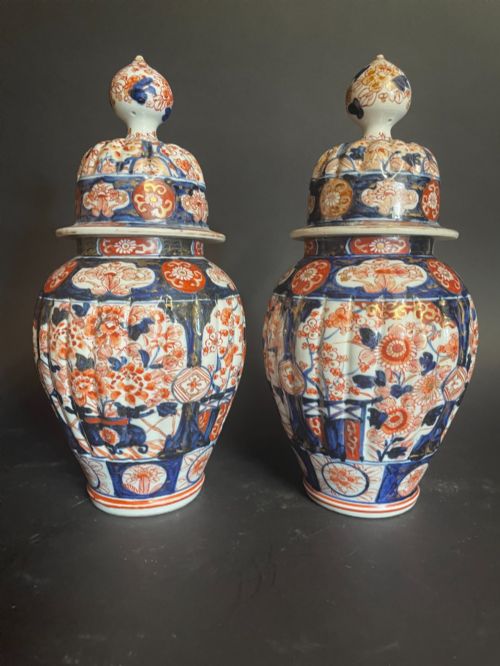
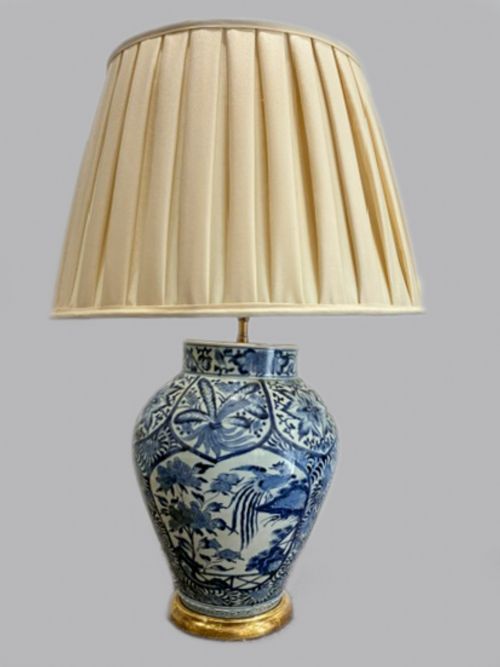
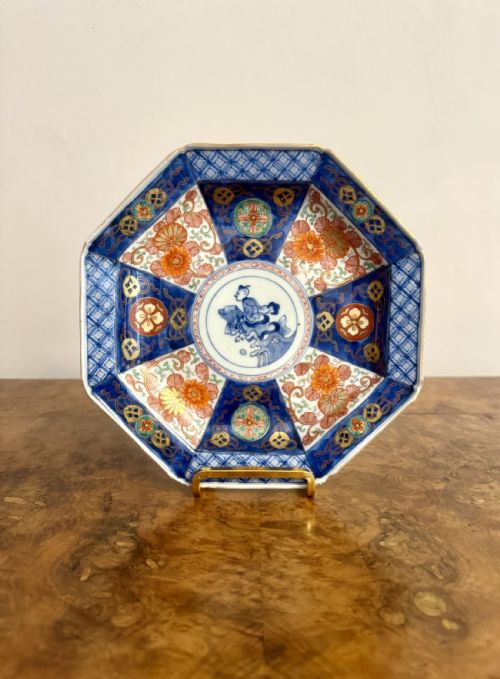
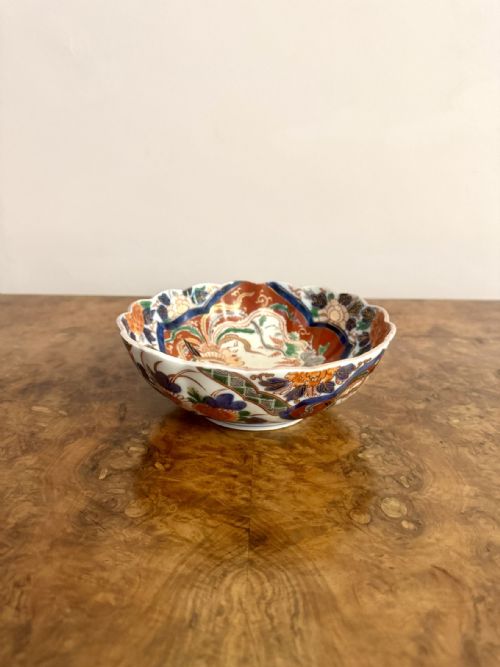
This selection of edo period arita ceramic encompasses items created in the Hizen province during centuries of historical rule, spanning from seventeenth-century vessels to later nineteenth-century interpretations. Buyers encounter utilitarian and decorative forms, including chargers, lidded jars, jardinières, and various shaped plates.
Vessels originating from this tradition display distinct regional characteristics, such as underglaze cobalt painting and rich enamel decoration. Many examples on this page reflect the Imari style, incorporating complex motifs across hexagonal, octagonal, fan, and scalloped formats.
Materials and Construction Techniques
Potters shaped high-fired porcelain bodies, applying cobalt underglaze pigments before the initial kiln firing to create deep blue outlines. Artisans then added enamel colours and occasional gold leaf accents during subsequent low-temperature firings.
Surviving items occasionally incorporate additional components, including brass fittings used in conversions or display stands. Protective glazes seal the ceramic surfaces, ensuring the preservation of the pigments over centuries.
Listings feature porcelain forms spanning the seventeenth through to the nineteenth century, including underglaze cobalt and enamel decorations.
Evaluating Quality and Detail
Superior examples display precise control over the cobalt underglaze and crisp execution of the enamel palette, whereas lesser items show blurred lines or muddy colour separation. The complexity of the vessel profile, such as clam shell contours or fan shapes, distinguishes standard production from more ambitious workshop output.
The crispness of the porcelain body and the refinement of the glaze finish contribute significantly to an item's visual weight and presence. Pieces retaining original lids or forming part of a matched garniture command greater attention from discerning collectors.
The Edo Period Arita Ceramic Glossary
- Arita
- The Japanese town and surrounding region in Hizen province famous for pioneering porcelain production. Kilns here supplied domestic markets and export trade.
- Imari
- A decorative style named after the port town from which Hizen porcelains were shipped to Europe. It typically employs a palette of cobalt blue, iron red, and gold.
- Garniture
- A matched set of three or more vases or jars designed to be displayed together on a mantelpiece or cabinet. These sets often share coordinated motifs and scale.
- Cobalt Underglaze
- A blue pigment applied directly to the raw porcelain body prior to glazing and firing. This technique protects the pigment under a glossy transparent coat.
- Aka-e
- A Japanese term denoting red-painted ware, referring to the iron-red enamel added over the glaze in polychrome porcelain decoration.
Edo Period Arita Ceramic: Frequently Asked Questions
How do I identify genuine Arita porcelain?
Genuine pieces display characteristic body weight, smooth glaze textures, and appropriate potting traits associated with Hizen kilns. Close examination of the cobalt underglaze reveals depth and tone typical of early production methods.
Collectors also study the foot rim construction and the specific characteristics of the enamel pigments used in the decoration. Comparing these elements with documented examples helps establish the piece's origin.
How should I care for antique porcelain?
Display vessels away from direct sunlight and areas subject to sudden temperature fluctuations to protect the enamel and gold leaf decorations. Dust the surface gently with a soft, dry cloth rather than using chemical cleaning agents.
When moving items, support the base firmly and avoid lifting by delicate appendages or mounted brass fittings. Ensuring stable placement prevents accidental knocks to fragile rims.
What constitutes a garniture set?
A garniture consists of a matching set of vases or jars designed for unified display in period interiors. These sets usually feature complementary sizes and identical decorative schemes across all component pieces.
Surviving complete sets remain particularly sought after by collectors due to the likelihood of individual pieces becoming separated over centuries.