


Blue White Porcelain Bottle
A blue white porcelain bottle brings centuries of kiln mastery into a room, offering classic form and painted cobalt depth.
Blue White Porcelain Bottle
A blue white porcelain bottle unites centuries of ceramic tradition across various forms like vases, snuff bottles, and tea caddies. The selection here spans the 17th century through to the 1930s, featuring Chinese export wares alongside Japanese Arita productions.
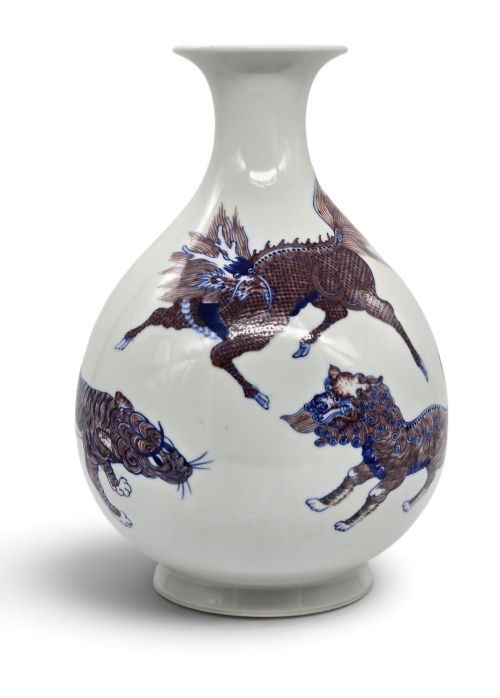
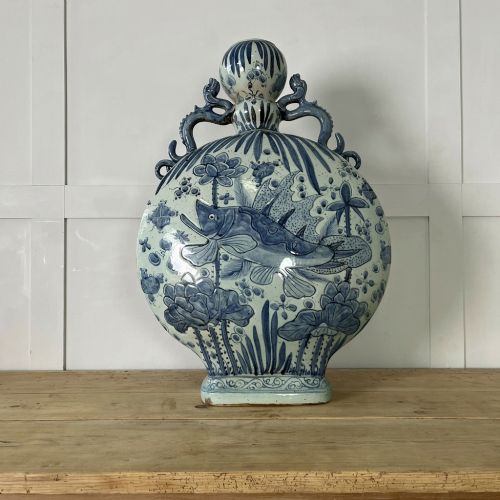
Most examples encountered here belong to the 19th century or the Qing Dynasty, incorporating decorative vessel styles such as garlic-mouth vases, moon flasks, and flaring neck bottles. Buyers frequently find pieces decorated with dragons, mythical beasts, and traditional landscape motifs.
Originating from extensive Asian ceramic traditions, these vessels serve both decorative and functional roles in interiors. The forms range from miniature snuff containers with covers to large cabinet vases, each displaying distinct regional painting hands.
How they were made
The foundation rests on refined ceramic paste shaped into vessels, then painted using cobalt oxide or cobalt glaze beneath a clear outer glaze. Firing at high temperatures fuses the pigment into the body, producing deep blue tones.
Certain pieces incorporate additional embellishments like copper-red pigments, enamel, or gold leaf applied over or beneath the glaze. This technique requires precise kiln control to achieve the desired contrast between the white ground and the painted cobalt details.
Listings feature ceramics produced across the 17th, 18th, and 19th centuries, alongside Edwardian and 1930s examples.
What varies in quality
Quality separates standard production wares from exceptional examples through the precision of the underglaze blue painting and the refinement of the porcelain body. Finer pieces display confident, detailed brushwork depicting complex scenes such as mythical beasts or the Seven Worthies.
The depth and consistency of the cobalt glaze significantly influence the visual impact of each vessel. Additionally, the presence of specific reign marks or seal marks, such as those referencing Kangxi or Qianlong, distinguishes particular pieces within the broader range.
The Blue White Porcelain Bottle Glossary
- Cobalt Oxide
- The metallic colorant used to create blue underglaze decoration on ceramic bodies. It reacts to high kiln temperatures by turning a permanent vivid blue.
- Underglaze
- A method of decorating pottery where pigments are applied directly to the unfired ceramic body before glazing and firing. This protects the painted design beneath a glassy protective layer.
- Moon Flask
- A flattened circular ceramic vessel with a narrow neck and small side handles, often standing on an oval foot. This specific form draws inspiration from traditional pilgrim flasks.
- Snuff Bottle
- A small container designed to hold powdered tobacco, featuring a fitted stopper and cover. These portable vessels often receive intricate painted or crackle-glazed decoration.
- Arita
- A Japanese town renowned for producing early export porcelain wares, particularly during the Edo period. Arita kilns heavily influenced European and domestic ceramic design.
Blue White Porcelain Bottle: Frequently Asked Questions
What periods do these bottles come from?
The pieces span from the 17th century through the Qing Dynasty and into the 20th century. Examples include Ming, Wanli, Kangxi, and Qianlong eras.
Later items date from the Edwardian period and the 1930s, reflecting enduring stylistic traditions.
How were these bottles used historically?
Larger vessels functioned as decorative vases, wine bottles, and tea caddies within elite interiors. Snuff bottles served as personal containers for powdered tobacco, often carried on the person.
Many pieces were also created specifically for the export market, travelling to European collections.
How do I identify Chinese versus Japanese pieces?
Chinese examples often feature imperial reign marks, Daoist motifs, or Qing Dynasty styling. Japanese pieces frequently originate from Arita kilns or utilise Imari palettes.
Brushwork style and clay body composition also help distinguish between regional workshops.
How do I care for antique porcelain?
Display the vessels away from direct sunlight and areas subject to sudden temperature fluctuations. Clean them gently with a dry or slightly damp soft cloth.
Avoid using chemical cleaning agents or abrasive materials that might damage the glaze or any gold leaf.