




Oriental Snuff Bottle
An oriental snuff bottle is a small, portable vessel made for holding powdered tobacco, prized for miniature artistry and tactile variety.
Oriental Snuff Bottle
When you search for an oriental snuff bottle, you encounter small personal containers designed to hold tobacco during the Qing dynasty and subsequent decades. These vessels arrive in forms ranging from standard bottles to canisters and double configurations.
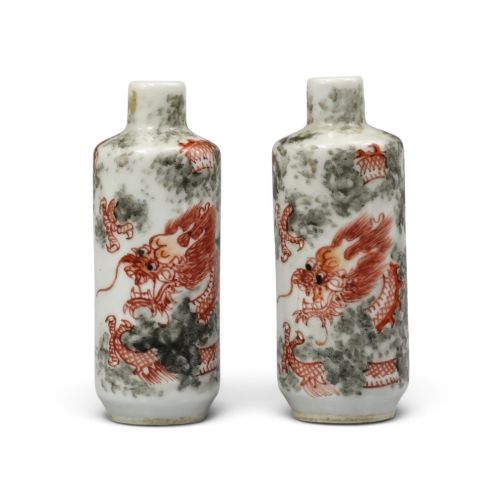
The materials span porcelain, jade, agate, coral, enamel, glass, and hardstone, reflecting the broad range of substances worked by artisans. Many pieces date from the nineteenth century, carrying painted scenes, carved figures, or monochrome glazes.
While most examples serve as portable containers, related decorative vessels such as miniature vases and tea caddies appear alongside them. The diversity of materials means each bottle presents a distinct weight, texture, and visual character in the hand.
How they were made
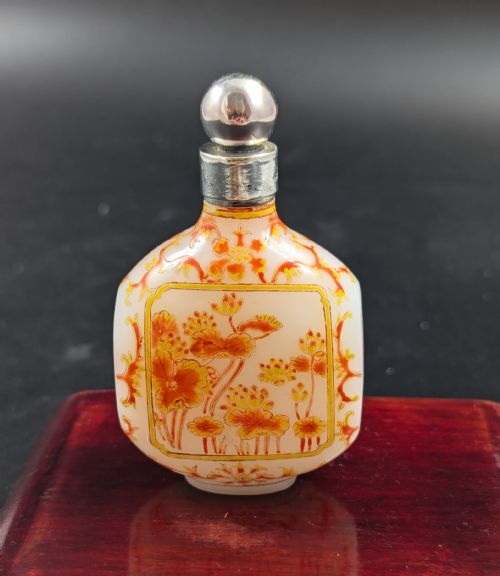
Makers shaped porcelain through throwing and moulding, applying famille rose enamels, iron-red pigments, or crackle glazes before firing. Glass bottles utilised overlay techniques or meticulous painting applied directly to the interior surface.
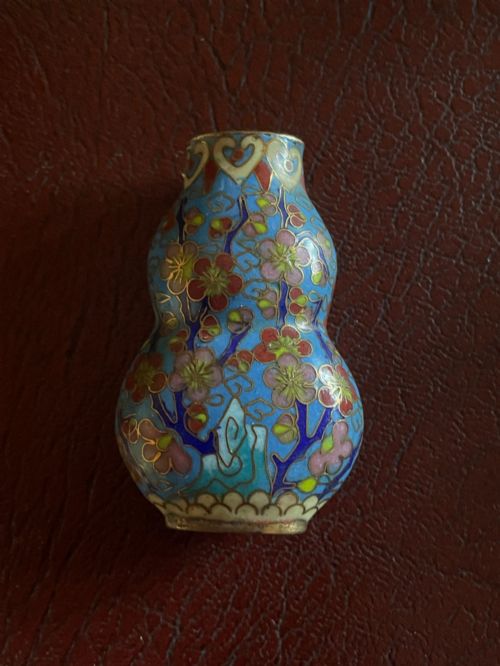
Hardstone pieces, including jade, agate, and coral, required intensive carving to hollow out the interior chamber while preserving external sculptural detail. Metal components such as brass and copper often formed mountings, stoppers, or cloisonne decorative cells.
Listings feature multiple materials including jade, turquoise, porcelain, enamel, brass, metal, hardstone, and copper.
What varies in quality
The integration of the stopper and the preservation of original stoppers or associated marks influence the overall integrity of the piece. Handling wear on delicate enamel or fragile coral also distinguishes well-preserved specimens from heavily altered ones.
The Oriental Snuff Bottle Glossary
- Famille Rose
- A palette of opaque enamels dominated by pink or rose colours, widely used on Chinese porcelain during the Qing dynasty. This technique allowed for subtle tonal gradations in figural and floral scenes.
- Cloisonne
- An enamelling technique where metal wires are soldered to a metal base to create compartments, which are then filled with paste and fired. The resulting surface displays intricate geometric or pictorial patterns separated by thin metal lines.
- Peking Glass
- Chinese coloured glass produced from the imperial workshops onwards, often layered in contrasting colours for carved overlay effects. Artisans carved through the top layer to reveal a different colour beneath.
- Inside-Painted
- A method where an artist paints miniature scenes on the interior wall of a transparent glass or crystal bottle using a bent brush inserted through the tiny neck. This required immense dexterity and reversed perspective.
- Hardstone
- A generic term for semi-precious stones harder than ordinary marble, such as jade, agate, and chalcedony. These materials were favoured for their durability and natural colour variations.
Oriental Snuff Bottle: Frequently Asked Questions
What were oriental snuff bottles used for?
These small containers held powdered tobacco, which was consumed by inhaling a pinch into the nostrils as a social and medicinal custom during the Qing period.
Over time, they evolved from utilitarian items into status symbols and portable works of art, often carried in pouches or displayed in scholar's studios.
How do I care for a jade or glass bottle?
Keep delicate materials away from direct sunlight and extreme temperature fluctuations to prevent stress fractures or fading in coloured glass and coral. Handle them over a soft surface to protect the base and the fitted stopper from accidental drops.
Clean them only with a dry or barely damp microfiber cloth, avoiding harsh chemical solvents that could damage delicate enamel work or interior paint.
How can I tell the period of a bottle?
Examine the material characteristics, base glazes, and stylistic markers such as reign marks or specific famille rose enamel formulations. Nineteenth-century examples often display distinct carving depths and palette choices compared to earlier dynastic pieces.
Consulting the specific details recorded in the title and description helps place each item within broader stylistic movements like the Guangxu or Daoguang periods.
Are all stoppers original?
Many bottles retain their original stoppers, often fashioned from matching materials like hardstone, metal, or glass, but replacements are common due to the fragile nature of these small components. A mismatched stopper does not preclude authenticity but is an important detail to note when examining the complete object.
Inspect the seating of the spoon and collar attached to the stopper to understand how the internal components fit the vessel.