



Underglaze Blue Porcelain Bottle
These underglaze blue porcelain bottle examples bring centuries of ceramic history to your home, offering classic cobalt designs and traditional forms.
Underglaze Blue Porcelain Bottle
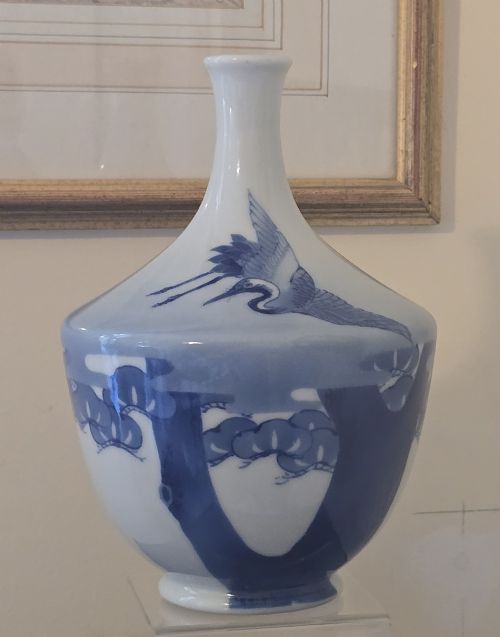
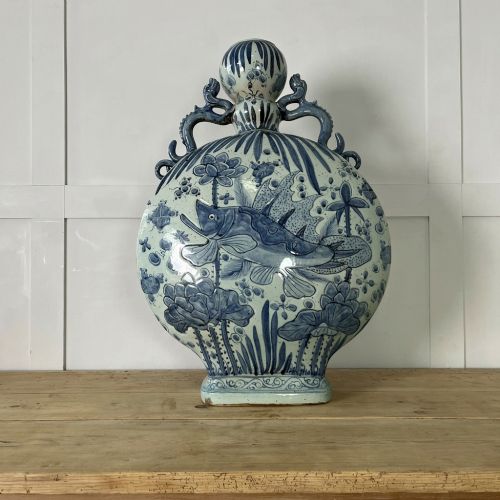
An underglaze blue porcelain bottle is a ceramic vessel shaped for holding liquids or serving as a decorative vase, featuring cobalt decoration applied beneath a clear glaze. You will encounter various forms across this selection, ranging from small snuff containers to large moon flasks and tall bottle vases.
The pieces span multiple periods including the 17th century, 18th century, 19th century, and Edwardian eras, reflecting both Chinese export traditions and Japanese Arita production. These origins bring distinctive regional styles like Chinoiserie and Edo period aesthetics straight to the collector.
How they were made
Potters shaped these objects from fine ceramic and porcelain bodies before applying cobalt glaze or cobalt oxide pigments directly to the clay. This meticulous painting under the glaze ensures the cobalt design remains permanent and protected beneath a glossy surface after high-temperature firing.
Makers utilised traditional kiln techniques to achieve the characteristic deep blue tones seen across Ming, Qing, and Arita pieces. Additional elements like copper-red pigments sometimes complement the cobalt underglaze on specialised vessels.
Underglaze Blue Porcelain Bottle Retail Price Guide 2026
Typical asking prices for underglaze blue porcelain bottle among the pieces listed under this phrase on Sellingantiques today, from the lower quarter to the upper quarter. They describe what is for sale here now, not the wider market.
The selection includes pieces attributed to the 17th century, 18th century, 19th century, and Edwardian periods.
What varies in quality
The refinement of the painted decoration dictates the distinction between standard vessels and exceptional works, particularly in detailed scenes depicting mythical beasts, dragons, or figures. Control over the cobalt oxide pigment during firing determines whether lines appear crisp and vibrant or blurred.
Age and historical period also influence the character of each vessel, with pieces bearing specific reign marks or dating to earlier dynasties holding distinct scholarly interest. The precision of the potting and the uniformity of the glaze finish complete the assessment.
The Underglaze Blue Porcelain Bottle Glossary
- Underglaze
- A decoration method where pigment is applied to the unglazed ceramic body before the clear glaze layer is added and fired. This technique protects the painted design from wear over centuries.
- Cobalt Glaze
- A metallic colouring agent used to achieve the iconic blue hues on traditional ceramics. It reacts to high kiln temperatures by turning a deep, stable blue.
- Moon Flask
- A flattened circular ceramic vessel with a narrow neck and small loop handles, often styled after ancient bronze prototypes. These distinctive bottles are balanced on a flat rectangular base.
- Arita
- A Japanese town renowned for producing early porcelain exported to Europe. Arita bottle vases display distinct regional interpretations of blue and white painting styles.
- Chinoiserie
- European artistic styles reflecting Chinese motifs and decorative techniques. This aesthetic heavily influenced 18th and 19th century decorative arts.
Underglaze Blue Porcelain Bottle: Frequently Asked Questions
What is an underglaze blue porcelain bottle?
These items are ceramic vessels decorated with cobalt blue pigment beneath a protective transparent glaze before firing. They encompass various utilitarian and decorative forms from Asian and European collections.
Historically used for wine, snuff, or floral display, these bottles showcase diverse historical aesthetics ranging from Ming and Qing dynasty styles to Japanese Arita production.
How do I display a bottle vase?
Place your bottle on a stable surface where adequate lighting highlights the cobalt blue painted details and glaze finish. They work well as standalone decorative objects or holding single stems.
Keep them away from direct sunlight and areas prone to accidental knocks to protect the antique ceramic body.
How do I identify the period?
Dating relies on examining the painting style, potting characteristics, glaze texture, and any reign marks found on the base. Comparing these traits with documented examples helps narrow down the era of manufacture.
Earlier pieces often display distinct cobalt tones and potting weights that differ from later 19th century or Edwardian interpretations.
Were these bottles used for wine?
Certain forms, such as specific Arita vessels, served practical functions for holding and pouring wine or spirits. Others were designed purely as decorative vessels or scholarly desk accessories.
The narrower necks on these bottles helped regulate the flow of liquids or preserved the contents securely.