


Hand Painted Oriental Pottery
Hand painted oriental pottery brings together centuries of skilled brushwork and ceramic tradition from China and Japan.
Hand Painted Oriental Pottery
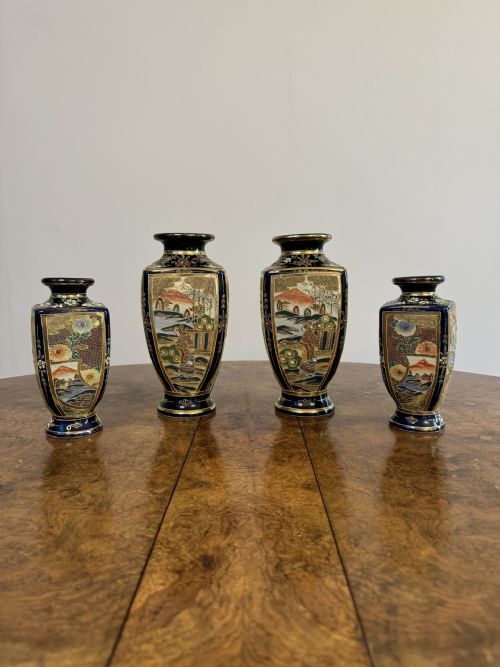
When you search for hand painted oriental pottery, you enter a field defined largely by Japanese Satsuma, Imari, and Kutani wares alongside traditional Chinese porcelain and earthenware. The selection spans the eighteenth century through to the early decades of the twentieth century, capturing the Meiji and Qing periods.
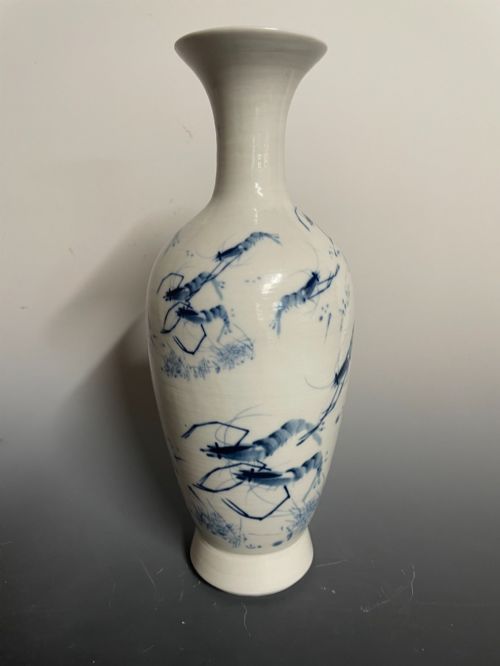
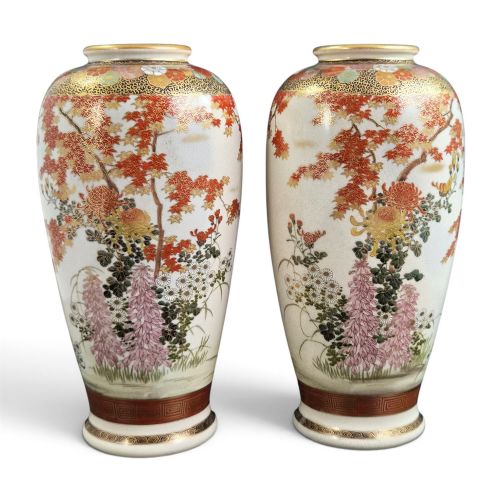
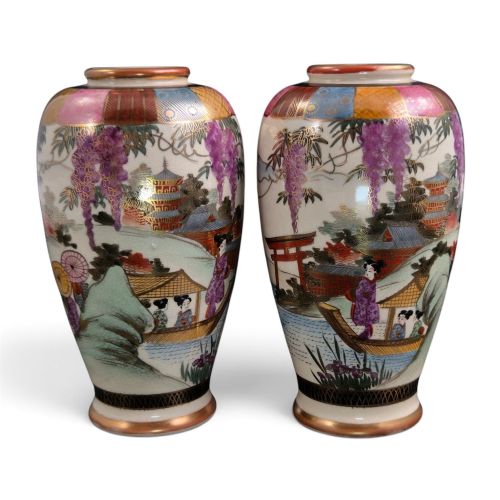
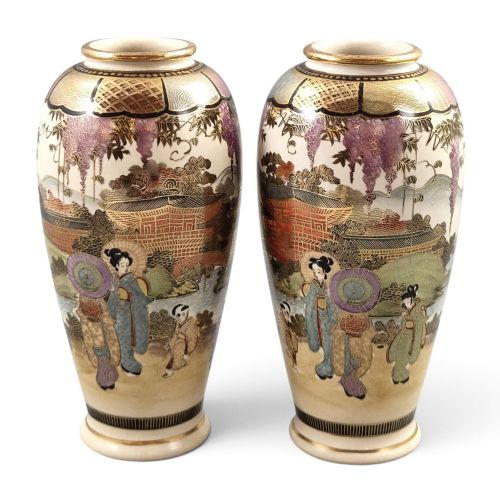
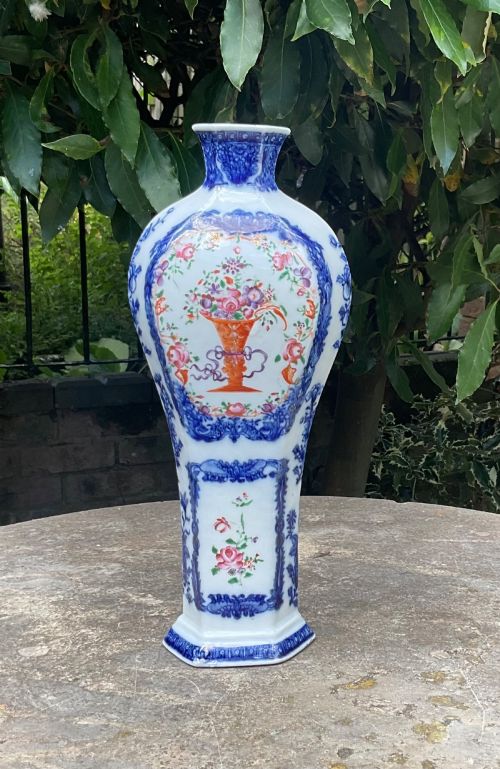
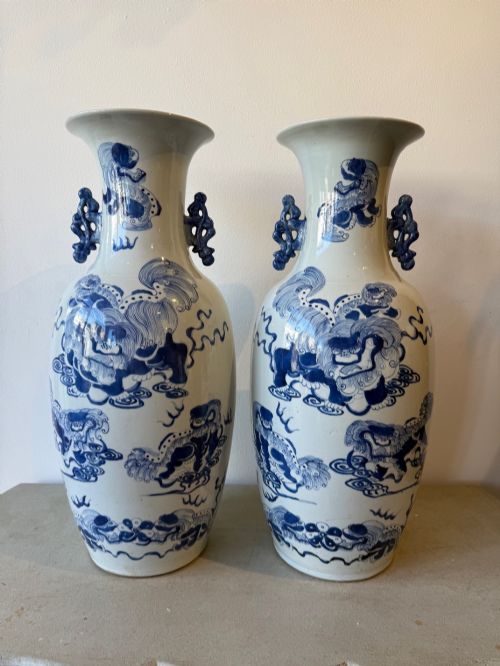
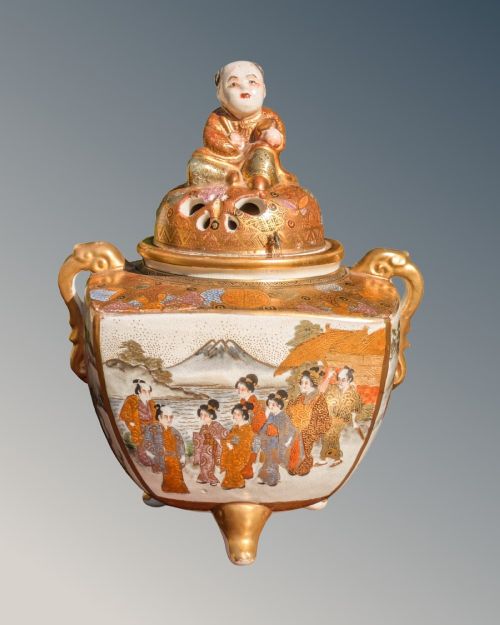
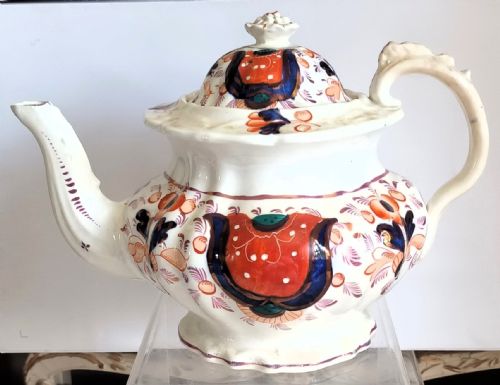
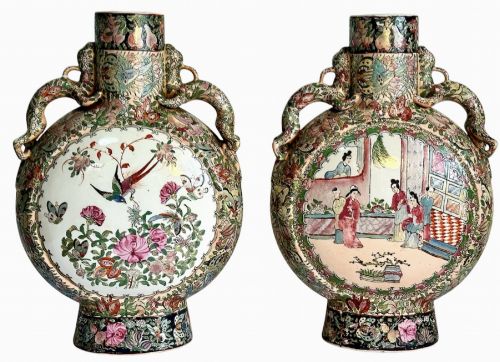
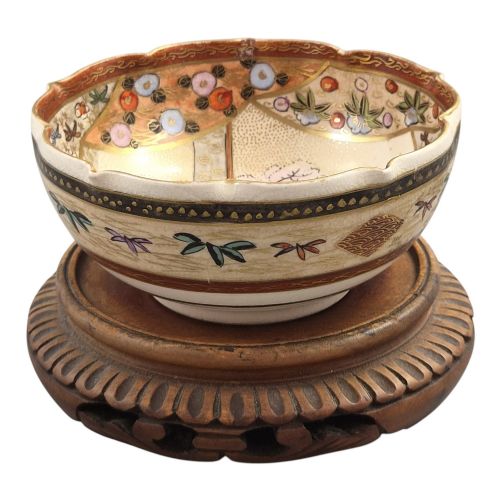
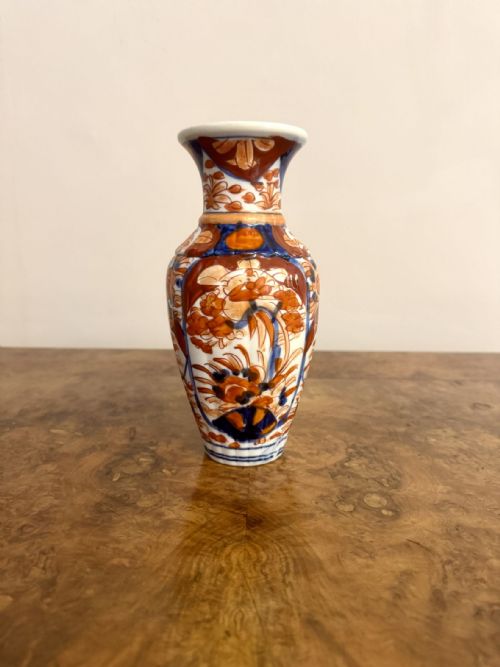
Vases, decorative bowls, plates, figurines, and incense burners form the core of the objects available. You will frequently encounter Satsuma vessels decorated with intricate figural scenes or floral motifs, as well as blue and white Chinese porcelain and Imari palettes.
How they were made
Potters shaped clay into earthenware and porcelain bodies before applying cobalt glaze, enamel, and gold leaf by hand. Kiln temperatures and glazing techniques determined whether the final piece achieved a deep blue underglaze effect or a vibrant polychrome finish.
Painters utilised fine brushes to render detailed human figures, birds, and landscapes onto the ceramic surface. Many pieces received multiple firings to fix the enamel colours and layers of gilt work securely.
Several miniature vases measure small enough to sit comfortably in the palm of a hand while housing elaborate figural processions.
What varies in quality
The refinement of the brushwork and the precision of the gilding set individual pieces apart. Artisans who executed complex figural processions or detailed floral compositions demonstrated a higher level of control than those producing simpler commercial wares.
The density and purity of the porcelain or earthenware body also indicate the standing of a piece. Signatures from recognised Kyoto makers and studios add another layer of distinction to the ceramic surface.
Koshida·Maruni Kobe·Shozan·Toshozan·Ryuzan·Chosei
The Hand Painted Oriental Pottery Glossary
- Satsuma
- A type of Japanese earthenware featuring a crackle glaze and elaborate overglaze enamel and gilt decoration. It originated in the Satsuma Province and became widely produced for export during the Meiji period.
- Imari
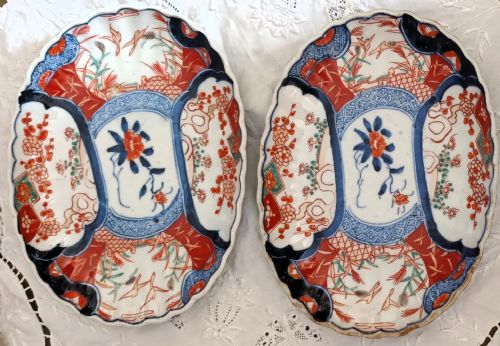
- A style of Japanese porcelain characterised by a distinctive palette of underglaze blue, iron red, and gold. These pieces were traditionally manufactured in Arita and shipped through the port of Imari.
- Famille Rose
- A major palette of Chinese porcelain introduced in the Qing dynasty, distinguished by opaque pink or rose enamel colours. The style depicts figures, flora, and birds with fine detail.
- Kutani
- Japanese porcelain and ceramic ware known for bold colour schemes, frequently incorporating greens, purples, yellows, and heavy gold highlights. Production centres around the Kaga province.
- Okimono
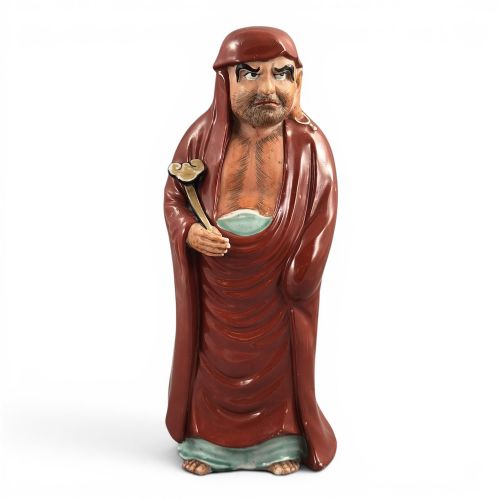
- A Japanese freestanding decorative figurine designed for display in a tokonoma alcove or on a shelf. These figures often represent deities, sages, or animals.
Hand Painted Oriental Pottery: Frequently Asked Questions
What is Satsuma pottery?
Satsuma pottery is a distinct type of Japanese earthenware characterised by a creamy, crackled glaze that serves as a canvas for dense enamel and gold leaf painting. Artisans often depicted intricate figural scenes, landscapes, and floral patterns across these vessels.
Production flourished during the Meiji period, creating a vast range of decorative items intended for both domestic use and export to Western markets.
How do I care for antique porcelain?
Antique porcelain and earthenware require gentle handling and should be kept away from direct sunlight and sudden temperature changes. Hand washing in lukewarm water with mild soap is generally preferred when cleaning becomes necessary, avoiding harsh scrubbing.
Display these items on stable surfaces where they will not be knocked or subjected to heavy vibrations.
What is the difference between Imari and Kutani?
Imari wares rely on a specific palette consisting chiefly of underglaze blue, iron red, and gilt, often arranged in symmetrical geometric and floral designs. They are typically made of hard-paste porcelain.
Kutani wares feature a wider and bolder range of enamel colours, including greens and yellows, and frequently showcase figurative subjects or naturalistic scenes on larger porcelain bodies.
How can I tell the period of a piece?
Dating hand painted oriental pottery involves examining the style of the painting, the composition of the ceramic body, and any signatures or studio marks on the base. Meiji period Japanese items and Qing dynasty Chinese pieces each carry distinct stylistic traits that reflect their era of manufacture.
Comparing the glaze consistency and the application of gold leaf also helps narrow down the timeframe.