


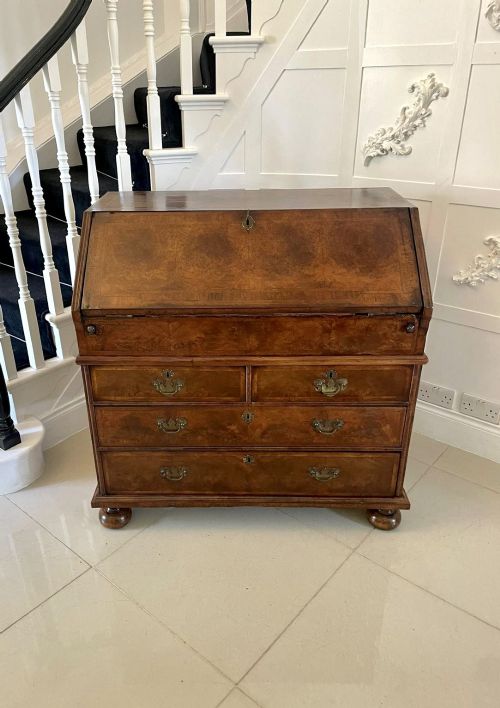
Inlaid Bureau Desk
When you look for an inlaid bureau desk, you are seeking a writing cabinet that combines secret compartments with fine decorative woodwork from centuries past.
Inlaid Bureau Desk
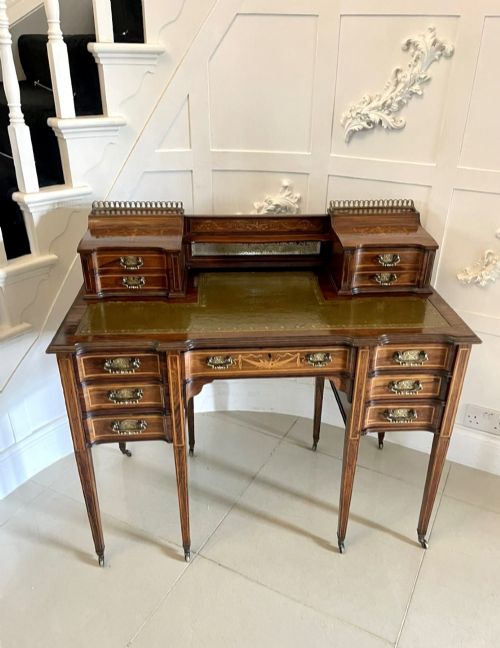
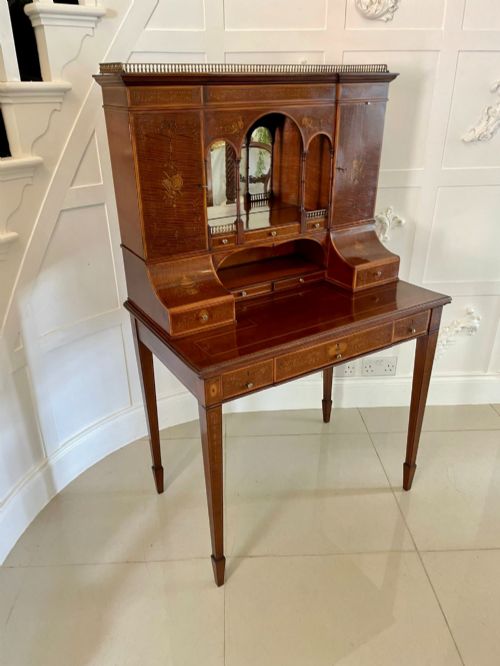
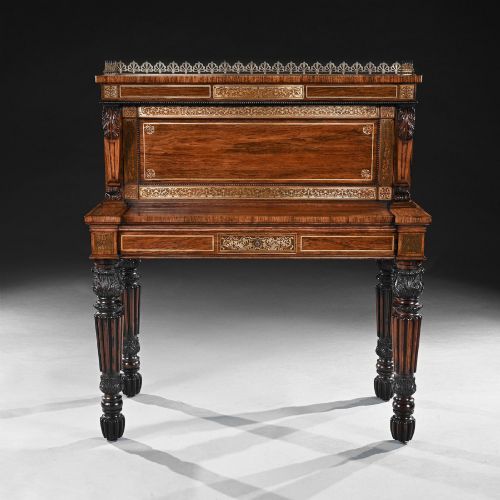
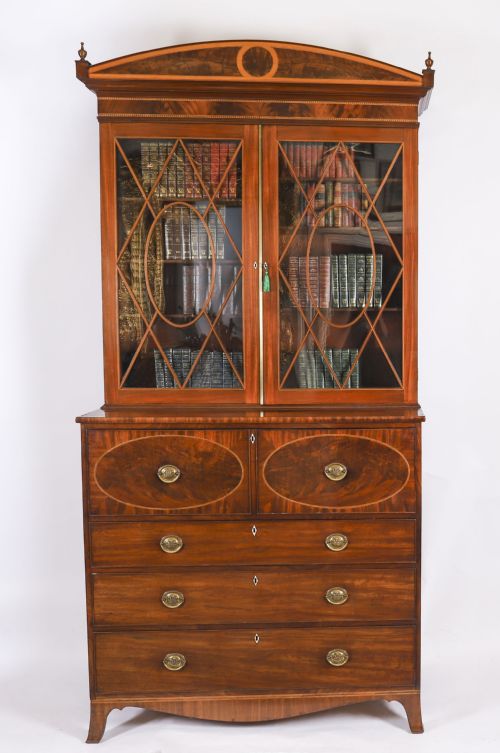
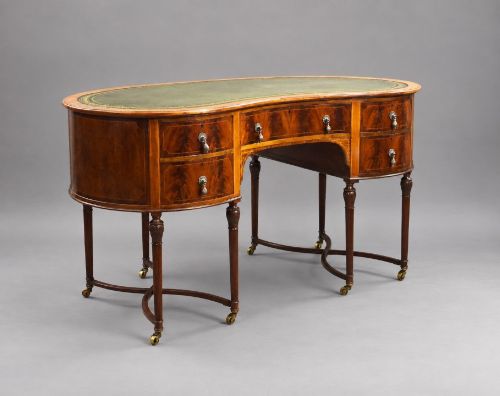
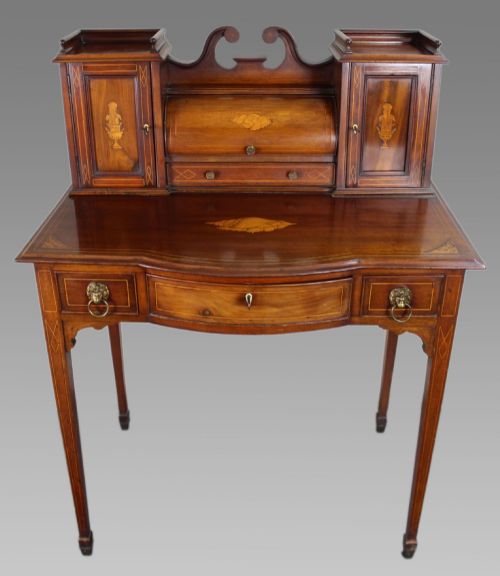
An inlaid bureau desk brings together practical writing surfaces and decorative craftsmanship spanning the eighteenth, nineteenth, and early twentieth centuries. These pieces appear in forms ranging from compact fall-front cabinets to grand bureau bookcases and freestanding writing tables.
The pieces on this page emerge from English, French, and Dutch traditions, reflecting styles such as Georgian, Victorian, Edwardian, and Louis XV Revival. Mahogany, walnut, and rosewood serve as the primary structural woods for these writing desks.
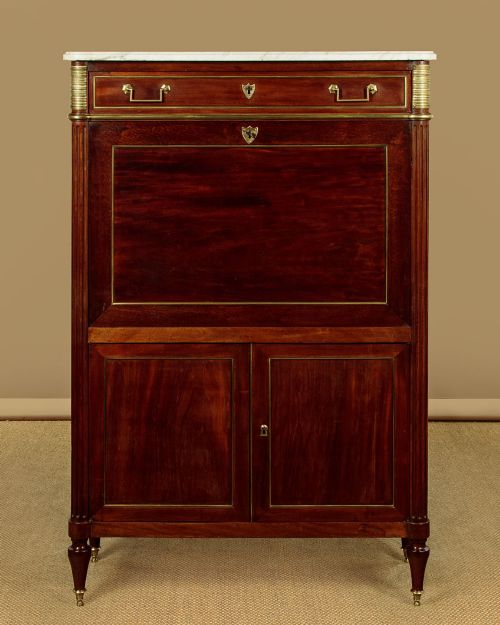
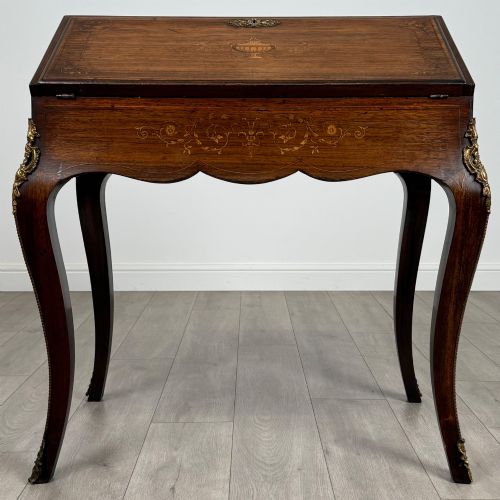
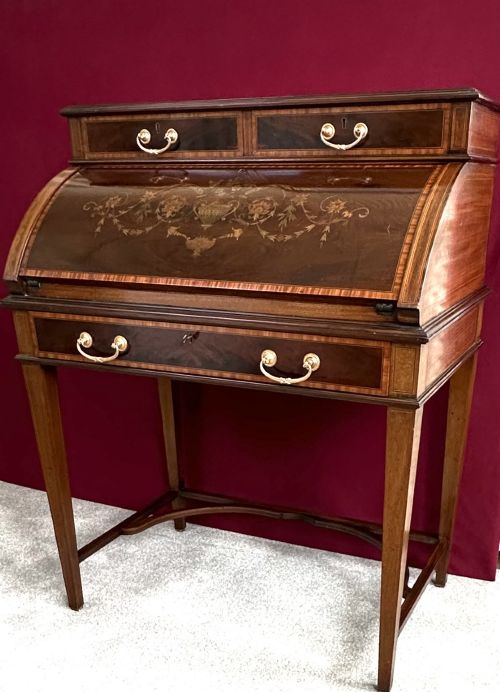
Buyers will encounter drop-front fall desks alongside cylinder desks, bureau plat tables, and secretaire bookcases. Each format provides specific storage solutions, often featuring fitted interiors with small drawers and pigeonholes.
Materials and Construction
Cabinet makers utilised dense hardwoods such as mahogany, walnut, rosewood, and kingwood as the foundational carcase for these desks. Secondary timbers like oak and pine appear in drawer linings and internal divisions.
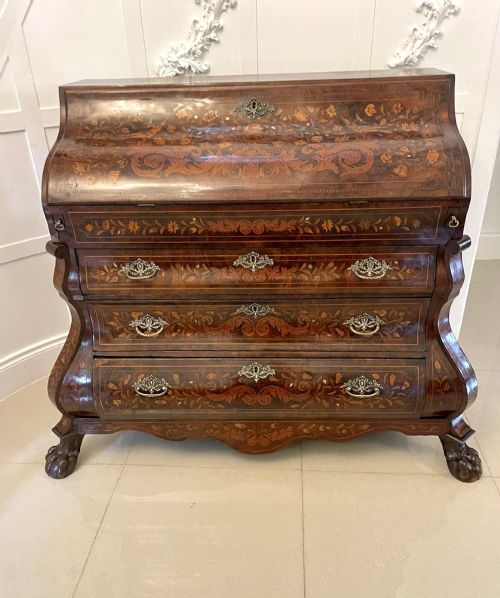
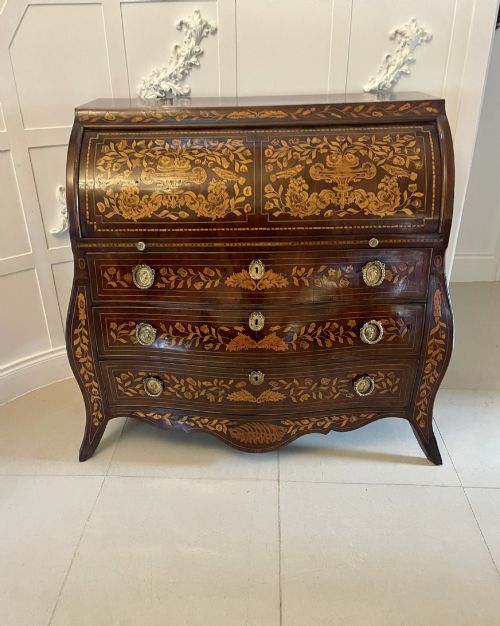
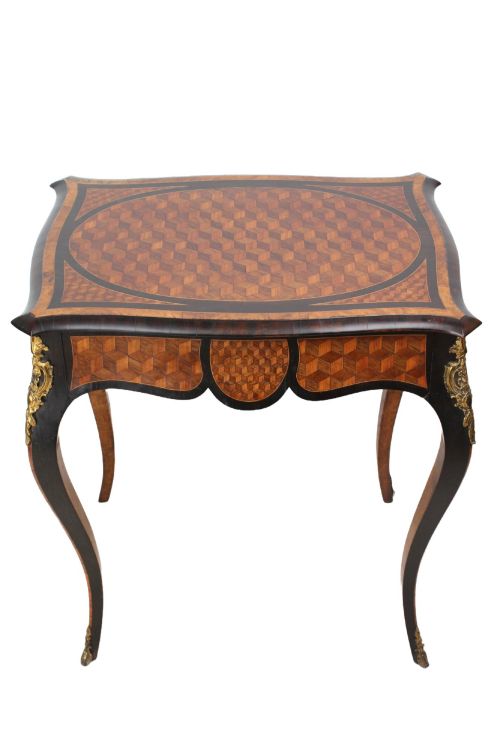
Decorative surfaces rely on intricate marquetry and parquetry, cutting satinwood, maple, and various exotic woods into floral or geometric motifs. Brass hardware, ormolu mounts, and occasional leather writing inserts complete the construction of the best examples.
Several desks hide secret drawers activated by hidden spring releases, designed to guard private letters from curious eyes.
Factors That Separate Examples
The refinement of the marquetry inlay and the choice of figured wood veneers distinguish standard output from exceptional workshop production. Crispness in the cutting of floral details and botanical motifs indicates superior cabinet-making skill.
Internal complexity and the survival of original fitted pigeonholes, secret drawers, and brass mounts alter the standing of a desk. Maker attribution, through stamps or distinct workshop signatures, further elevates specific pieces.
Maple and Co·Gillows Oxford Street Workshop·JAS Shoolbred·Maison Krieger·Edwards and Roberts
The Inlaid Bureau Desk Glossary
- Marquetry
- A decorative technique where thin slices of wood and other materials are fitted together to form pictorial patterns on a surface.
- Parquetry
- A geometric mosaic of wood pieces used for floors and furniture surfaces, creating repeating patterns like cubes or squares.
- Secretaire
- A piece of furniture containing a concealed writing drawer or a fold-down writing flap that conceals fitted compartments.
- Bureau Plat
- A table desk, typically associated with French cabinet making, featuring a flat top and one or more drawers in the frieze.
- Cylinder Desk
- A writing desk featuring a quarter-cylinder rolling shutter that conceals the writing surface and internal pigeonholes.
Inlaid Bureau Desk: Frequently Asked Questions
What is a fall front bureau?
A fall front bureau is a desk featuring a hinged writing flap that pulls down into a horizontal position for writing. This flap conceals a fitted interior filled with small drawers and pigeonholes when closed.
Cabinet makers developed this format during the eighteenth century to keep correspondence secure and out of sight. The sloped or vertical front protects private documents while maintaining a compact footprint.
How do I identify a cylinder desk?
A cylinder desk uses a curved, quarter-circle wooden shutter that rolls backward into the body of the desk. Pulling this cylinder forward simultaneously extends the sliding writing surface.
This mechanism offers secure closure for the desk top without requiring a separate fall flap. Many nineteenth-century examples combine this mechanism with elaborate marquetry inlay.
Where were bureau plat desks used?
A bureau plat served as a freestanding writing table designed to sit in the centre of a room rather than against a wall. These tables originated in France and typically feature finished backs and multiple frieze drawers.
Affluent households utilised these desks for correspondence in studies and reception rooms. The absence of a superstructure allows light to pass freely around the writing surface.
How do I care for inlaid wood?
Inlaid wood surfaces require stable environmental conditions away from direct sunlight and sudden temperature changes. Excessive heat can cause delicate veneers and floral marquetry to lift from the carcase.
Applying appropriate furniture wax preserves the finish without harming the historic timbers. Regular dusting with a soft cloth prevents abrasive particles from scratching the polished surface.