

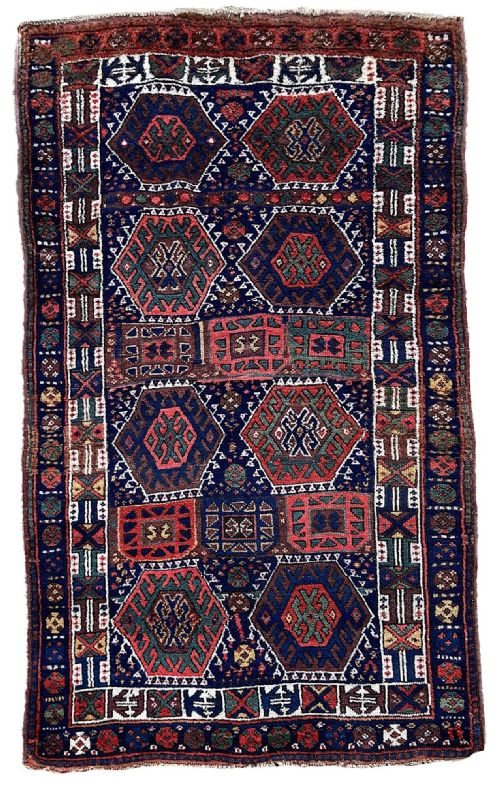

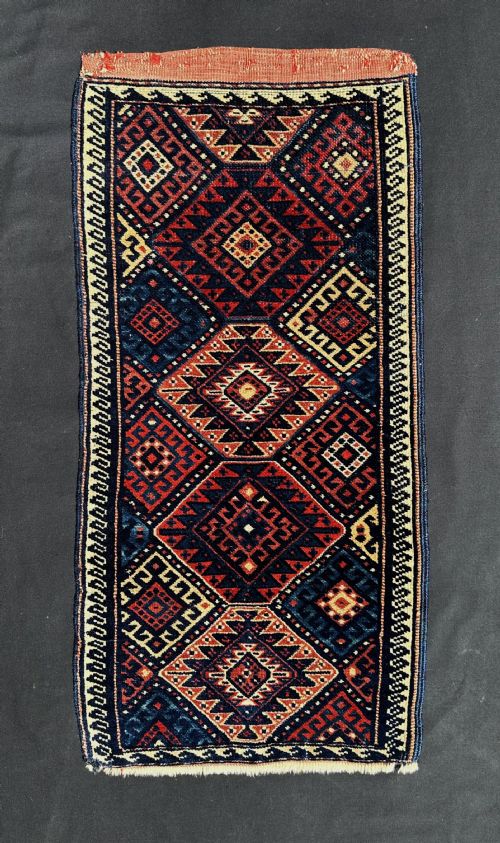
Indigo Tribal Rug
An indigo tribal rug brings deep botanical blue tones and nomadic heritage into a room.
Indigo Tribal Rug
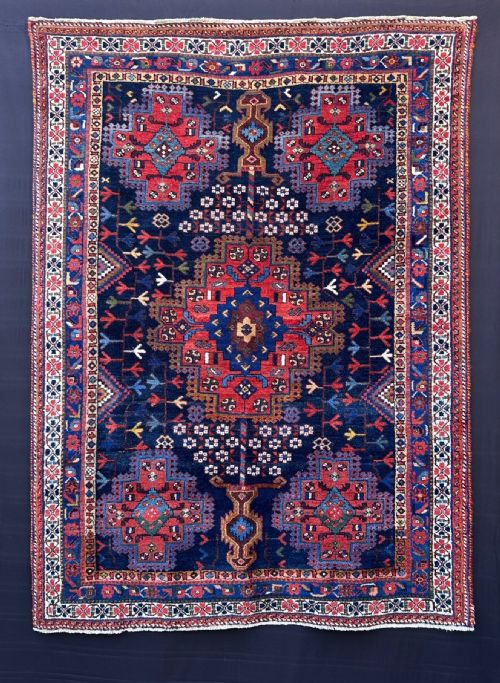
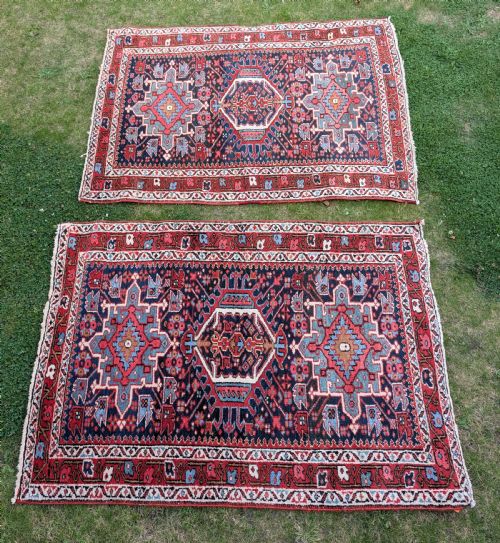
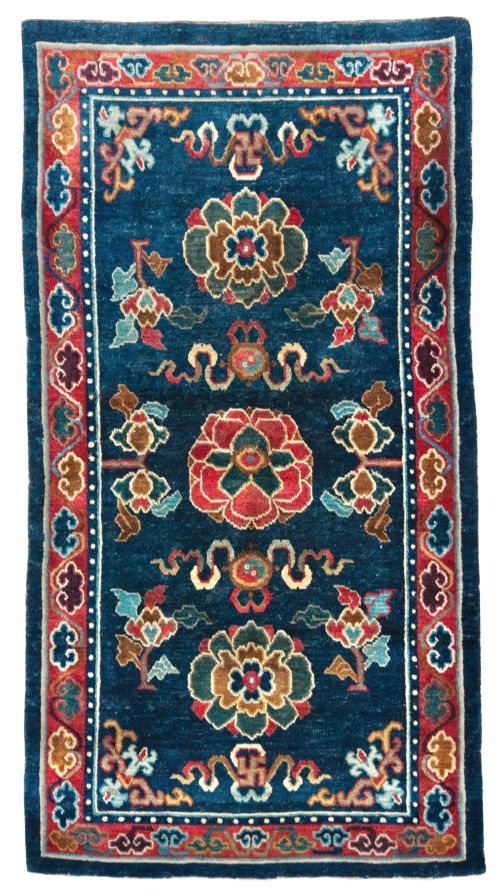
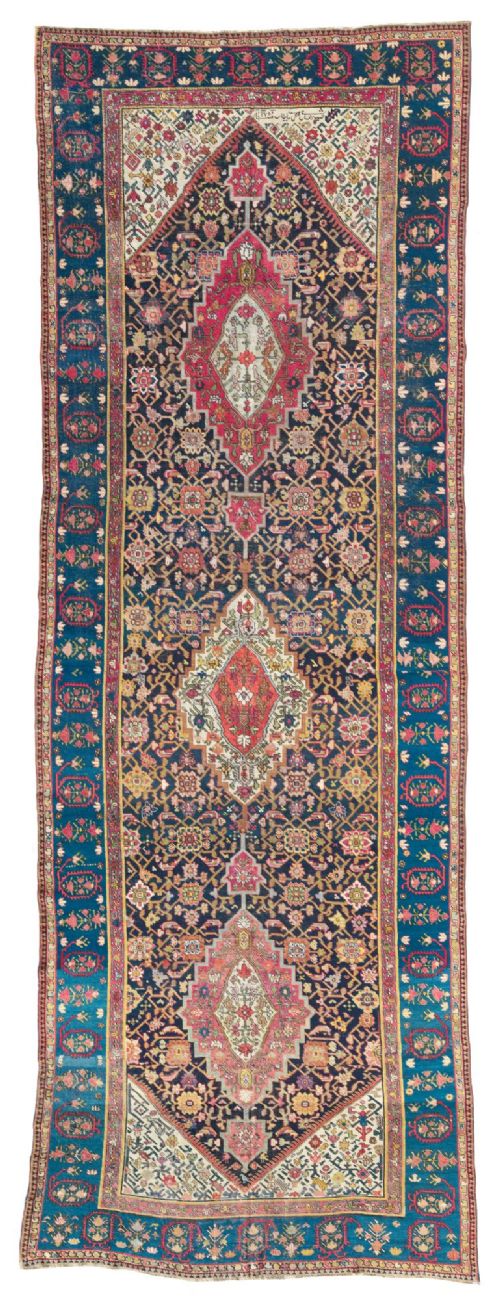
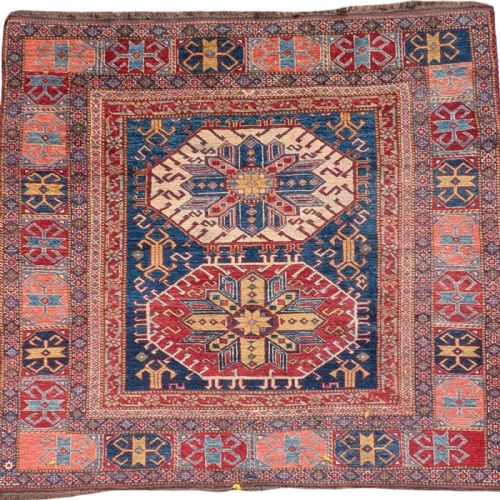
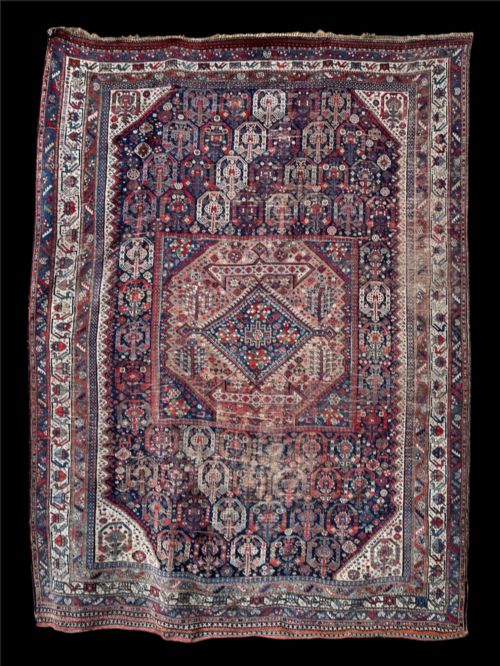
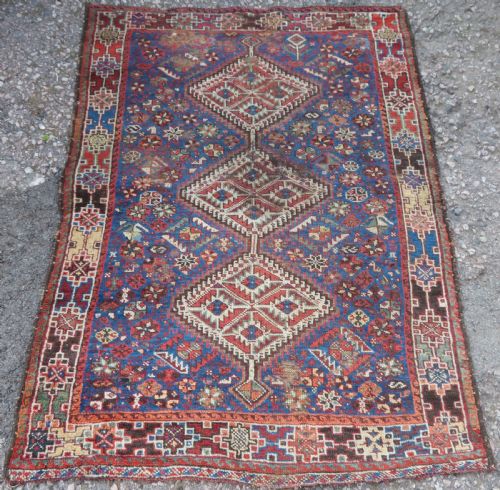
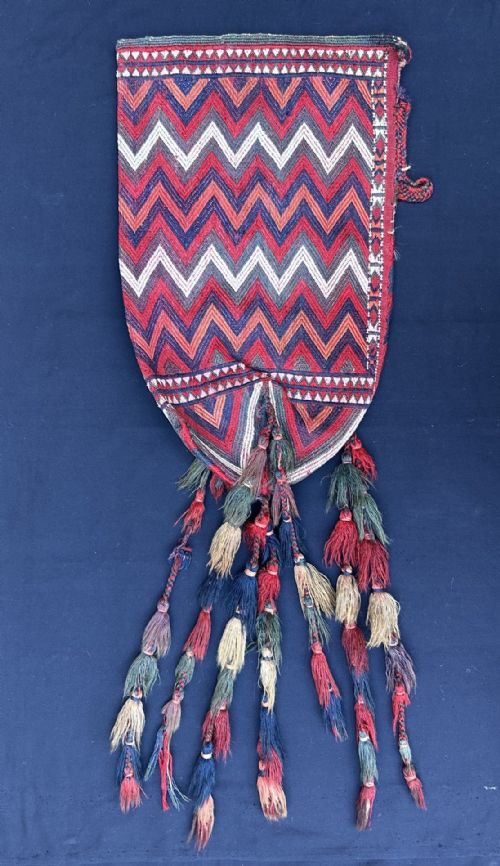
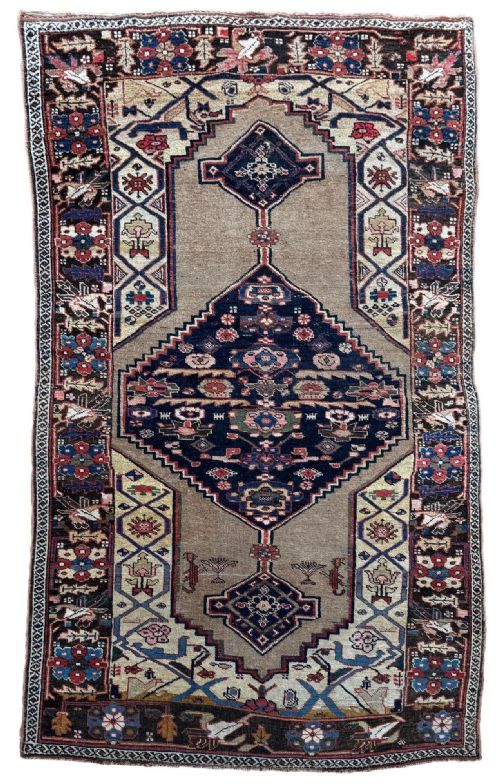
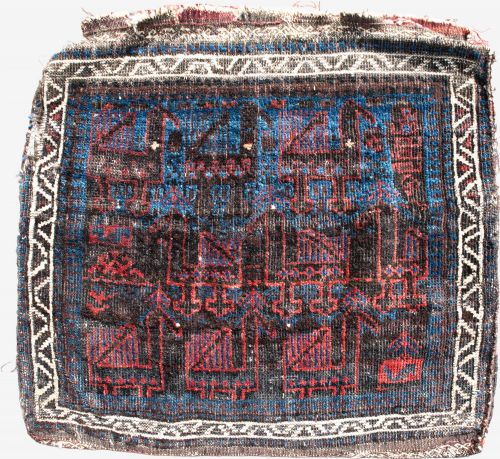
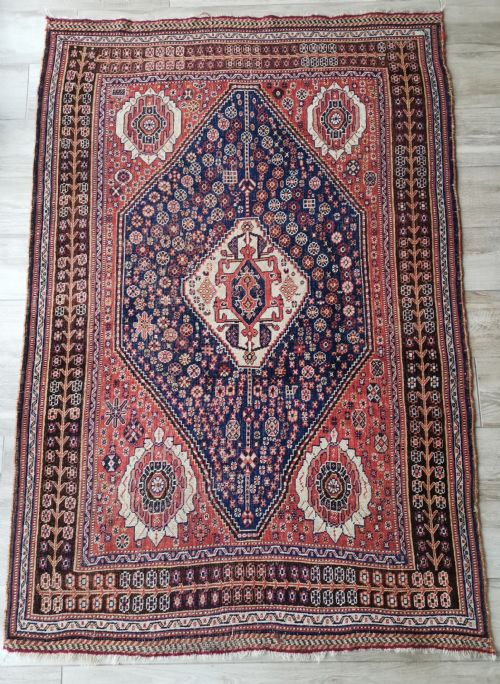
An indigo tribal rug is a hand-knotted or flat-woven textile produced by nomadic and village weavers across the Caucasus, Persia, Anatolia, and Central Asia. These pieces function as floor coverings, animal trappings, storage bags, and sleeping rugs, carrying the geometric and symbolic motifs of specific tribal confederations. When searching for an indigo tribal rug, buyers encounter diverse regional formats ranging from small pillow bag-faces to long runners and main carpets.
The materials reflect pastoral economies, relying heavily on local wool combined with cotton foundations and natural dyes. Examples on this page span the nineteenth and early twentieth centuries, capturing the distinct aesthetic outputs of groups such as the Baluch, Khamseh, Kazak, and Yomut Turkmen. Each piece displays the practical artistry of village production, where weavers utilised available resources to create durable household textiles.
Regional styles dictate the structural character of these works, distinguishing Caucasian geometric compositions from Persian curved designs or Turkmen gul patterns. Buyers frequently meet formats like Kazak rugs, Kurdish runners, and Afshar tribal rugs that showcase deep blue grounds alongside contrasting reds, ivories, and yellows. The survival of these textiles demonstrates their original utility within nomadic encampments and sedentary village homes.
How they were made
Weavers constructed these textiles using hand-spun wool for the pile and foundation yarns, often incorporating cotton for warps and wefts in later village examples. Natural dyes provided the characteristic colour palette, with indigo plant extracts yielding the deep blues that define the type, alongside madder and other plant or insect sources. Artisans knotted the wool onto vertical or horizontal looms, creating dense pile surfaces or employing flat-weave techniques such as kilim construction.
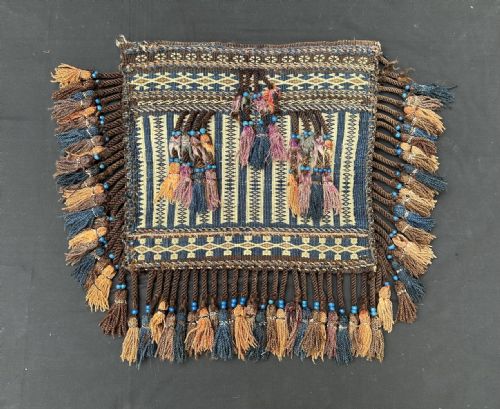
Additional ornamentation occasionally included glass beads applied to specific bags and trappings for decorative emphasis. The spinning and dyeing processes were executed by hand within domestic settings, resulting in subtle tonal variations across the wool surface known as abri. Loom preparation and knotting density varied according to regional tradition, balancing structural durability with pliable handling qualities.
Some Baluch rugs include tiny glass beads stitched into the weave, proving that nomads loved a bit of sparkle just as much as anyone else.
What varies in quality
Quality in these textiles depends on the saturation and depth of the natural dye work, particularly the richness of the indigo field and the clarity of contrasting secondary colours. Finer knots per square inch and supple handle distinguish superior tribal weaving from coarser, stiffer village production. Structural integrity across the foundational weave and the preservation of original selvedges and end finishes also influence the standing of an individual piece.
The artistic strength of the drawing, including the proportion of tribal motifs such as stars, guls, or medallions, separates exceptional examples from standard specimens. Consistency in hand-spun wool texture and the harmonious integration of colour variations contribute to the visual balance of the textile. Pieces retaining complete original formats, whether main carpets, kelims, or specialised bags, represent the higher tier of surviving output.
The Indigo Tribal Rug Glossary
- Abri
- A natural variation in wool colour caused by differences in dye batches or hand-spun yarn lots. This shading effect adds visual depth to the field of a rug.
- Gul
- A medallion or octagonal motif repeated across Turkmen and Baluch carpets. Each tribal group utilised distinct gul variations to signify lineage and origin.
- Kelims
- Flat-woven rugs and carpets produced without a pile by interlocking weft threads over warp threads. These textiles often serve as light floor coverings or wall hangings.
- Sofreh
- A woven spread or cloth used during meals or food preparation among nomadic communities. These utilitarian formats feature specific field designs associated with village and tribal life.
- Torba
- A small wall-hanging bag or storage sack produced by Turkmen tribes. These pieces typically display characteristic gul patterns and refined flat-weave or pile construction.
Indigo Tribal Rug: Frequently Asked Questions
What is a kelim?
A kelim is a flat-woven textile created without a pile by tightly packing coloured weft threads across the vertical warp.
This technique produces a lightweight, reversible rug traditionally utilised for floor covering, bedding storage, or tent decoration.
How were these rugs used?
Nomadic and village communities used these textiles as floor carpets, sleeping mats, saddlebags, and storage sacks for daily camp life.
Specialised formats also included eating cloths, pillow bag-faces, and animal trappings designed for transport on horses or camels.
How do I care for an old rug?
Care involves gentle vacuuming without rotating brush heads and keeping the textile away from direct, prolonged sunlight to protect natural dyes.
Professional specialist cleaning is recommended to maintain the wool pile and foundational structure of nineteenth and early twentieth-century pieces.