
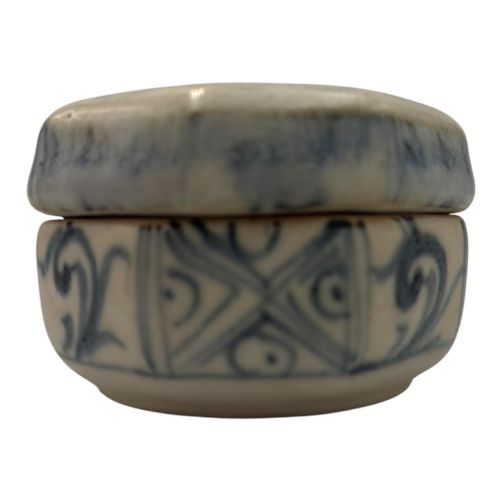
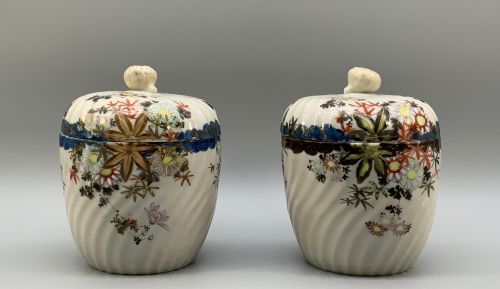
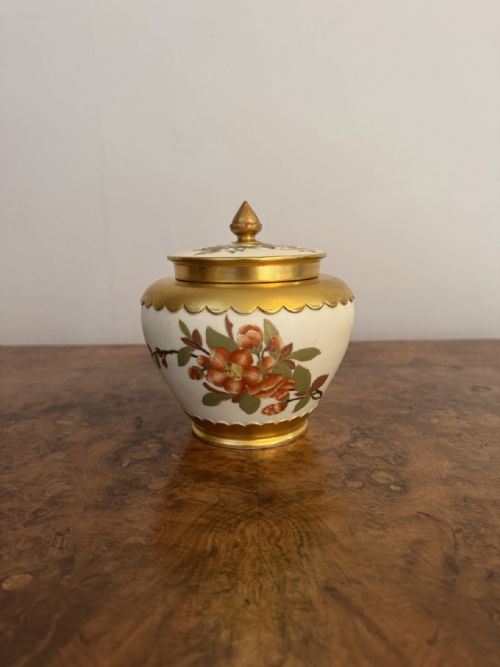
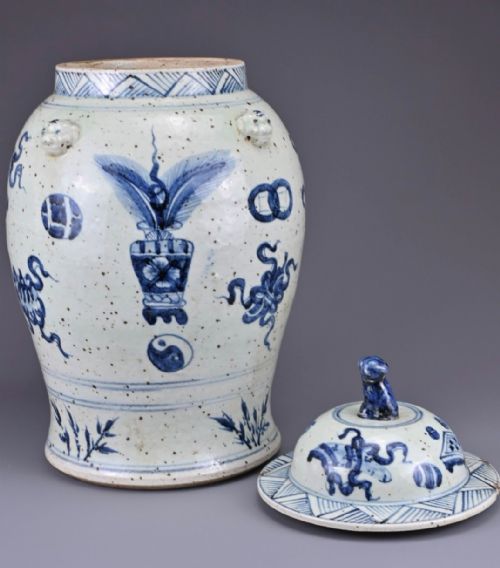




Hand Painted Porcelain Lid
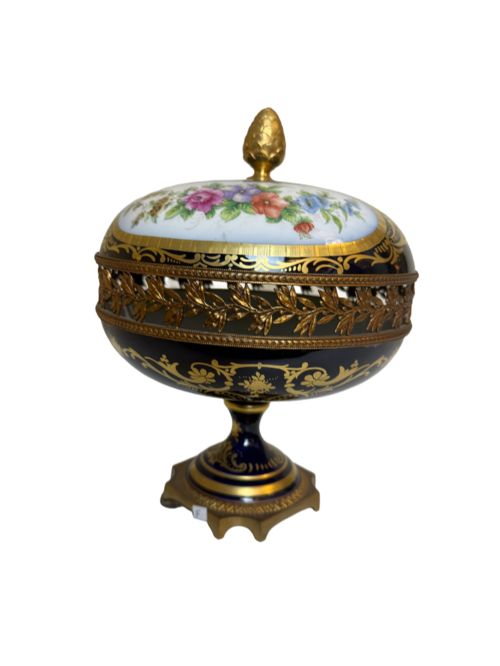
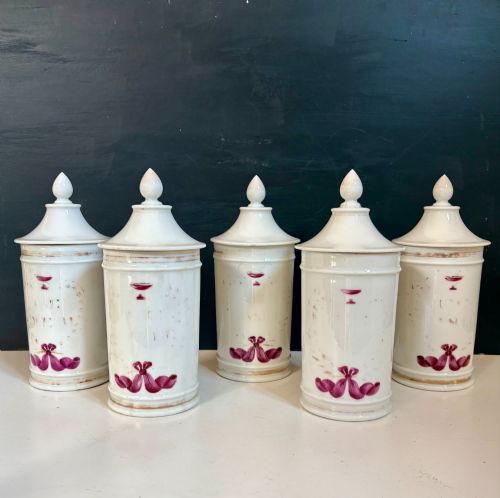
When you search for a hand painted porcelain lid, you are looking at the detachable covers belonging to ginger jars, potpourri urns, sugar boxes, and decorative vessels.
Hand Painted Porcelain Lid
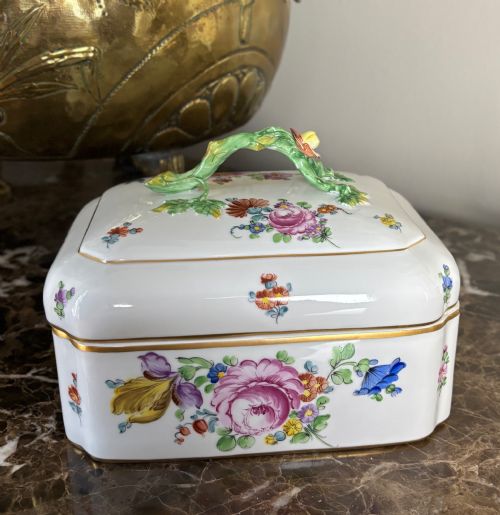
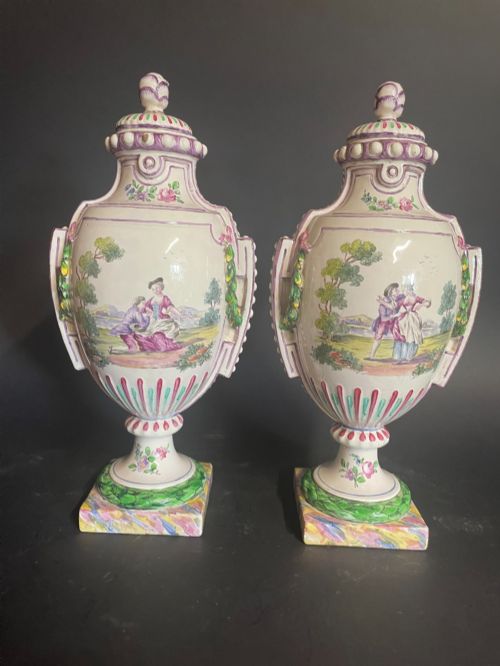
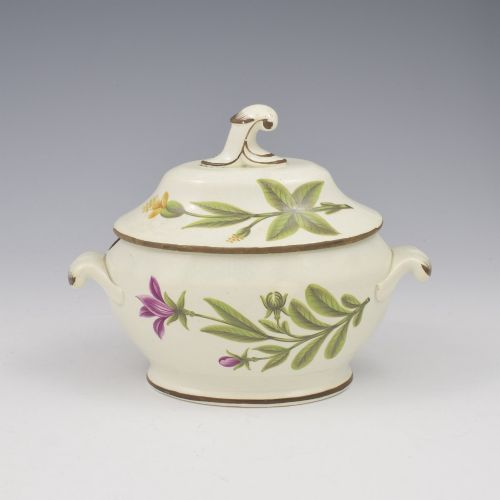
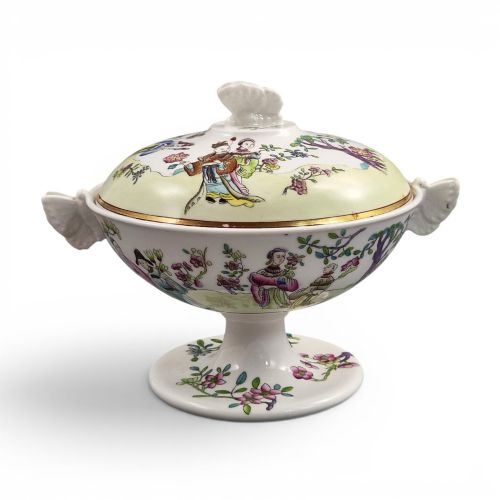
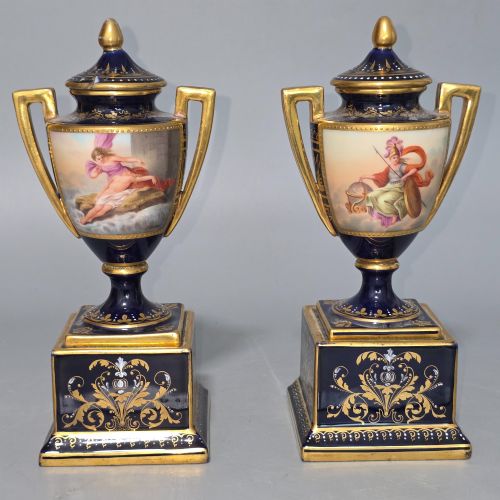
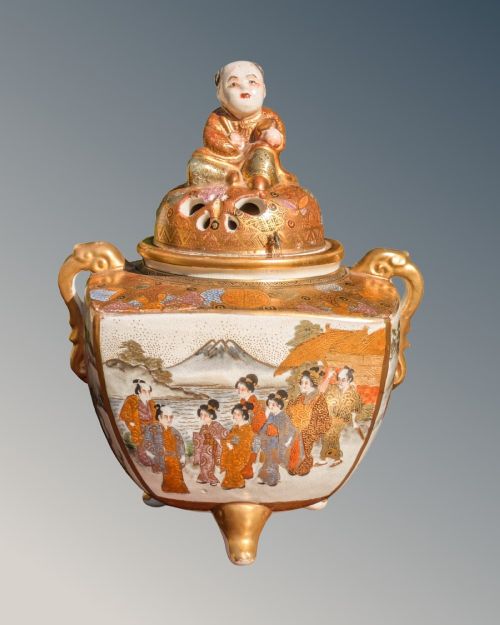
A hand painted porcelain lid forms the crowning element of covered vessels ranging from Georgian sugar boxes and Regency sucriers to Victorian potpourri jars and Japanese Imari ginger jars. These lids protect the contents of the vessel while displaying miniature floral landscapes, botanical studies, or intricate cobalt blue designs executed by factory painters.
Most examples encountered on this page originate from nineteenth-century European manufactories such as Royal Worcester, Dresden, Sèvres, and Royal Vienna, alongside Japanese Arita kilns and Chinese export workshops. They survive either resting atop their original bodies or as individual components separated from vases, urns, and jars over centuries of handling.
How they were made
Potters shaped these covers from refined ceramic pastes or porcelain bodies, frequently utilising moulds for complex profiles like octagonal boxes, domed potpourri tops, and pedestal finials before firing them at high kiln temperatures. Once vitrified, the pieces received liquid glaze coatings to seal the ceramic body and provide a smooth, glossy ground for subsequent artistic work.
Painters applied mineral pigments and metallic oxides by hand using fine brushes, often incorporating gold leaf or liquid gilding to accent rims, borders, and moulded knobs. A secondary firing fused the enamel colours and gilding permanently into the glaze layer.
Materials recorded across the archive include traditional hard-paste porcelain, soft-paste ceramic, earthenware, and applied gold leaf details.
What varies in quality
Quality separates mass-produced factory output from individual studio painting by noted ceramic artists such as Edward Thomas Ball or signed works by continental decorators. The finesse of the brushwork dictates the tier of the piece, with looser floral strokes sitting below detailed botanical studies or portrait miniatures.
The precision of the porcelain body and the crispness of the moulded relief work also determine the grade of the item. Heavier, thicker potting and uneven glaze pooling indicate standard commercial production, whereas thin-walled translucency and cleanly defined finials reflect superior manufacturing standards.
Royal Worcester·Dresden·Sèvres·Royal Vienna·Spode·Coalport·Minton·Meissen·Ridgway
The Hand Painted Porcelain Lid Glossary
- Sucrier
- A small covered sugar bowl or basin designed for the tea table. These vessels often feature matching hand-painted lids and delicate handles.
- Potpourri
- A jar, vase, or bowl with a pierced or ventilated lid intended to hold dried fragrant plant materials. The openings allow scented air to circulate into a room.
- Imari
- A style of Japanese export porcelain characterised by a palette of underglaze blue, iron red, and added gold highlights. The decorative schemes typically incorporate floral and brocade motifs.
- Faience
- Tin-glazed earthenware produced in France and other European regions. This ceramic body predates or runs parallel to fine porcelain production and supports painted enamel decoration.
- Felspar porcelain
- A dense English ceramic paste developed during the nineteenth century incorporating feldspar into the body. This material improved durability and whiteness in tea wares and decorative urns.
Hand Painted Porcelain Lid: Frequently Asked Questions
How do I know if a lid belongs to the jar?
Check the interior flange or rim where the cover seats into the neck of the vessel. The manufacturing marks, paste colour, and wear patterns should match the body.
Examine the continuity of the hand-painted decoration across the seam when the lid rests in place. Hand-painted motifs on matched pairs usually share the exact palette and brush hand of a single decorator.
What is a ginger jar lid used for?
Ginger jars originally stored preserved spices and herbs shipped from East Asia to European markets. The tight-fitting lid kept moisture out and sealed aromatic contents inside.
Later European manufacturers adopted the form purely for decorative display on mantelpieces and side tables. The lids remained functional elements of the overall silhouette even when the vessels held dry potpourri.
How do I identify the period of a porcelain lid?
Look at the base or interior rim for factory stamps, painted pattern numbers, and impressed ciphers. Reference books and archive records match these marks to specific decades of production.
Assess the weight, translucency of the ceramic paste, and style of the hand-painted motifs. Eighteenth-century pieces typically display softer paste bodies and hand-mixed enamels compared to late nineteenth-century industrial output.