

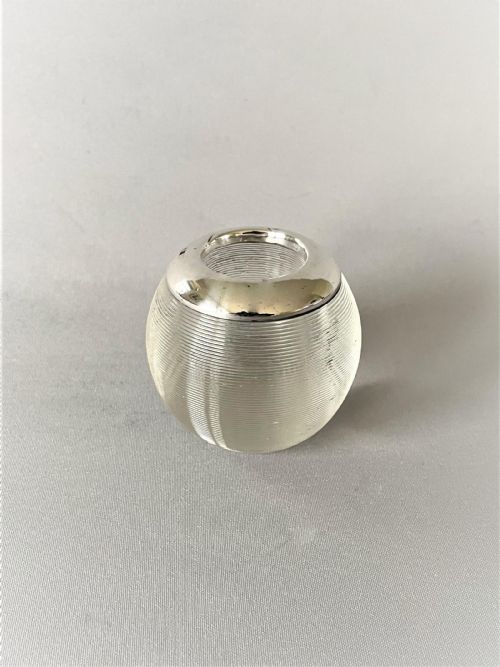

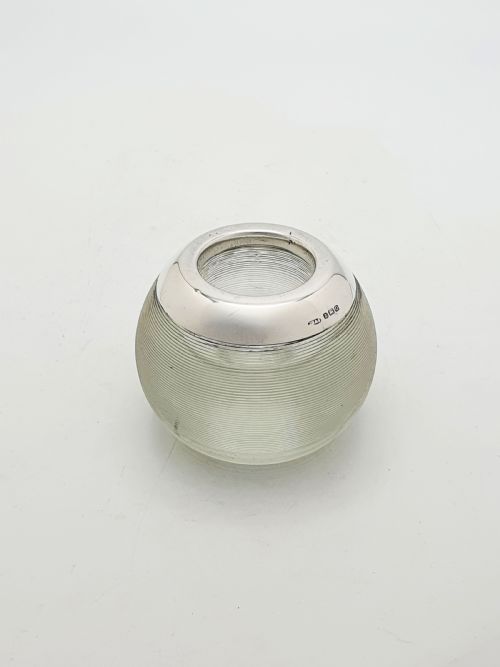


Silver Mounted Glass Pot
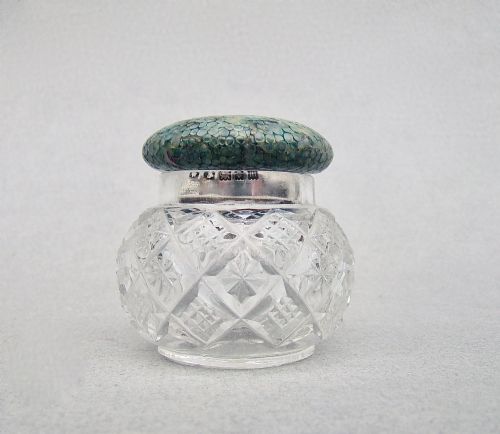
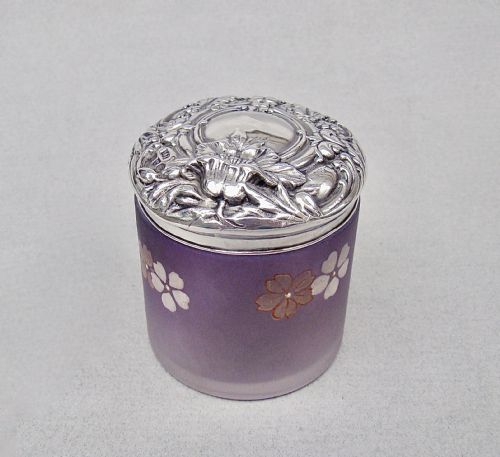
A silver mounted glass pot brings together cut crystal and gleaming metal for the dressing table or desk.
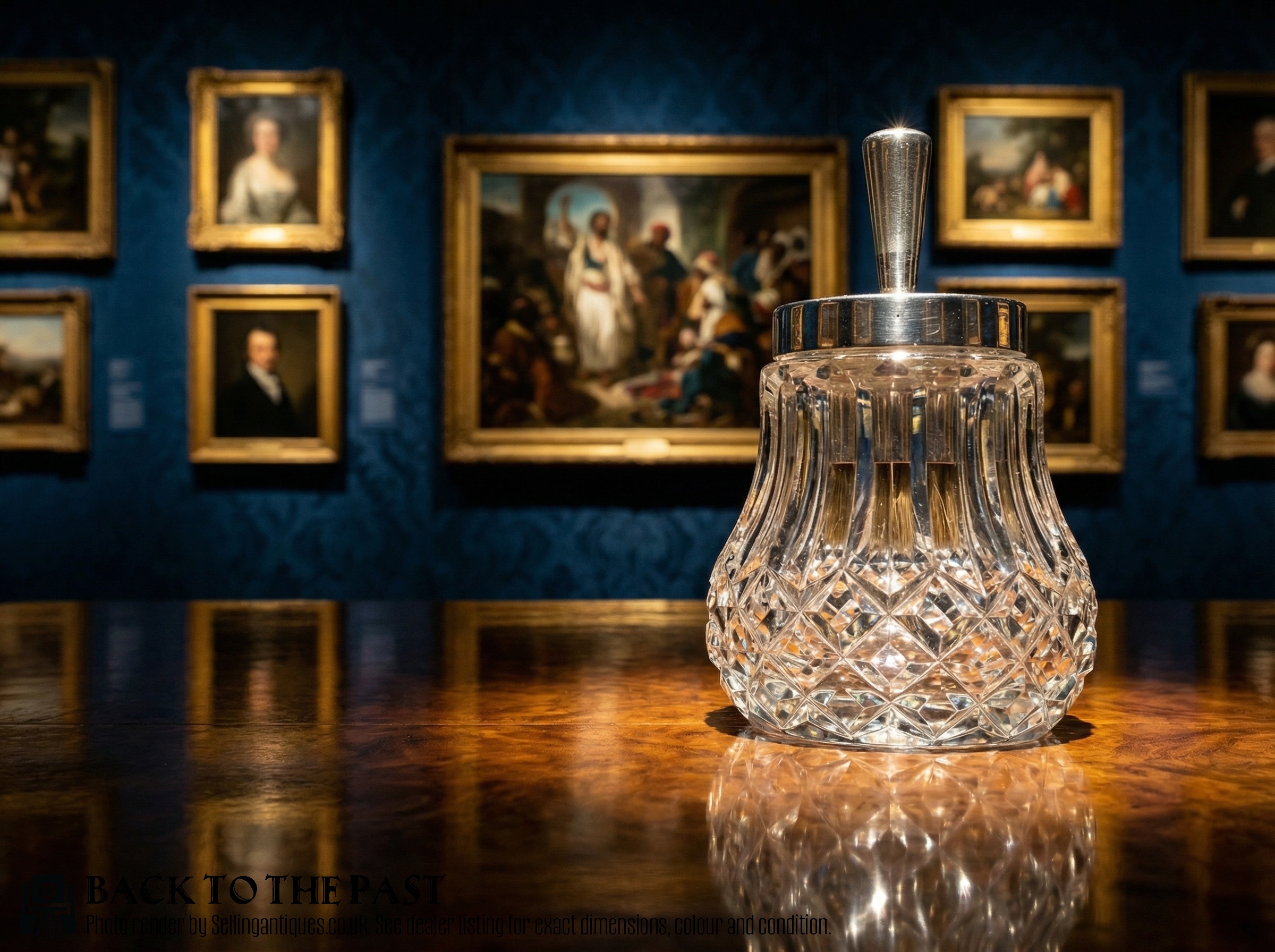
Silver Mounted Glass Pot
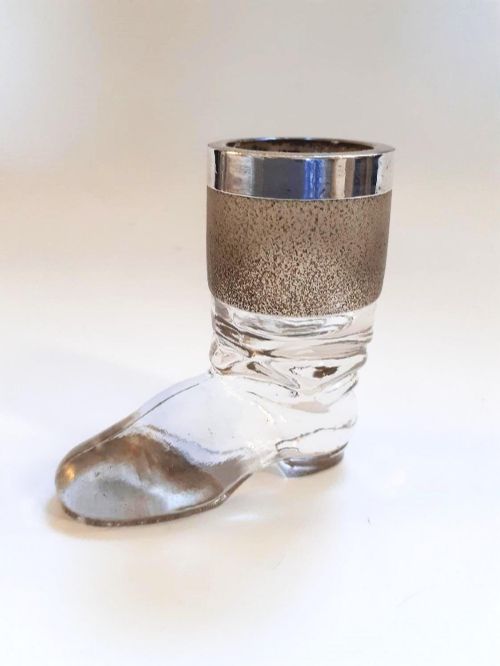
A silver mounted glass pot serves a variety of practical functions across the dressing table, desk and dining room. When searching for this phrase, collectors encounter vanity jars, match strikers, inkwells, glue pots, biscuit barrels, preserve pots and teapot stands.
The pieces on this page span several decades, with Edwardian, Victorian and Art Deco examples appearing regularly alongside mid-century items. Formats range from small rouge containers and condiment jars to oversized textured glass match strikes and lidded boxes.
Origins stretch from the late nineteenth century through to the mid-twentieth century, showing diverse British assay office marks alongside international makers. Buyers find both simple domestic containers and elaborate accessories incorporating tortoiseshell and enamel.
How they were made
Glass bodies are shaped through cutting, moulding or threading, utilising frosted, cranberry, amethyst or clear crystal materials. Master glassmakers produce heavy bases and textured surfaces designed to catch the light.
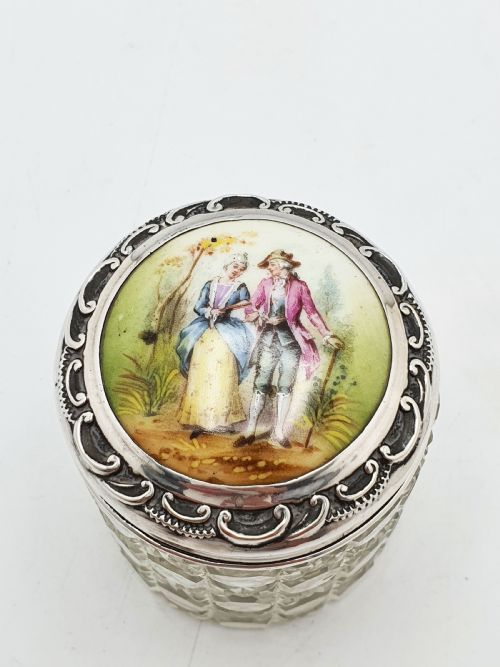
Silver mounts, covers and collars are fashioned from sterling silver or silver plate, often secured directly to the glass rim. Many items feature intricate guilloche enamel work or inlaid tortoiseshell panels set into the metal lids.
Silversmiths stamp their work with hallmarks denoting the maker, assay town and year of production, linking the metal component to specific British hubs like Birmingham, Sheffield and Chester.
Silver Mounted Glass Pot Retail Price Guide 2026
Typical asking prices for silver mounted glass pot among the pieces listed under this phrase on Sellingantiques today, from the lower quarter to the upper quarter. They describe what is for sale here now, not the wider market.
Glue pots preserve nineteenth-century stationery habits, long before sticky tape existed.
What varies in quality
Quality rests upon the weight and clarity of the glass vessel combined with the thickness and detail of the silver mount. Heavy cut crystal and substantial sterling silver elements demonstrate superior craftsmanship compared to thin plated alternatives.
The integration between the glass body and the metal collar determines overall structural integrity and refinement. Pieces featuring hand-applied enamel, tortoiseshell or complex maker marks command greater attention from discerning collectors.
Tiffany and Co·Hasset and Harper·Walker and Hall·Asprey·Moser Glass·Levi and Salaman·The Adie Brothers·Henry Williamson·John Grinsell and Sons
The Silver Mounted Glass Pot Glossary
- Assay mark
- A stamp indicating the purity of the precious metal, the office of testing, and the date letter for the year of manufacture. These small punches provide the primary method for dating the silver mount.
- Guilloche enamel
- A decorative technique where intricate geometric patterns are engraved beneath a translucent layer of coloured enamel. This method appears frequently on Art Deco vanity boxes and jar lids.
- Match striker
- A heavy glass container featuring a textured base or striking surface designed to ignite safety matches. Victorian and Edwardian examples often include a sterling silver rim.
- Cranberry glass
- A rich red glass created by adding gold chloride to the molten batch during production. It is commonly seen in Victorian biscuit barrels and dressing table pieces.
- Glue pot
- A specialised ceramic or glass vessel fitted with a silver or metal cover designed for desktop use. These items frequently feature integrated brushes or openings for office adhesives.
Silver Mounted Glass Pot: Frequently Asked Questions
How do I clean the silver mounts?
Use a soft cloth and a dedicated silver polish, taking care to avoid harsh chemicals coming into contact with the glass or enamel surfaces. Gentle maintenance preserves the original hallmarked metal without scratching the surrounding material.
Keeping moisture away from glued or fitted interior rims prevents long-term damage to the internal seals of dressing table accessories.
Were these pots used daily?
Most of these items served functional roles in Victorian and Edwardian households, from holding preserves at the dining table to storing ink and stamps in the study.
Vanity jars and rouge pots were permanent fixtures on dressing tables, while match strikers sat close to fireplaces and smoking desks.
How can I date my piece?
Examination of the silver hallmarks provides the most reliable dating method, pointing to specific assay office symbols and annual date letters. Style indicators such as Art Nouveau curves or Art Deco geometry also help narrow down the production era.
Comparing the manufacturing technique and glass colour against established period norms offers further chronological context.
Are replacement glass inserts common?
Original glass and silver pairings remain the most desirable configuration for collectors. Finding pieces where both components share matching period characteristics ensures authenticity.
Careful inspection of the rim and mount interface helps determine whether the glass vessel belongs to the original silver collar.