




Antique Glass Powder Bowl
These antique glass powder bowl pieces combine dressing table utility with decorative craftsmanship, bringing period elegance to any bedroom or vanity.
Antique Glass Powder Bowl
An antique glass powder bowl serves as a decorative and practical dressing table accessory designed to hold face powder or small trinkets. These vessels appear across several periods, including Edwardian pieces alongside later Art Deco and 19th Century French examples.
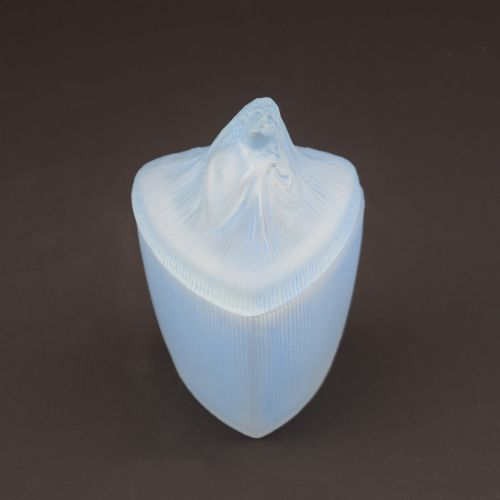
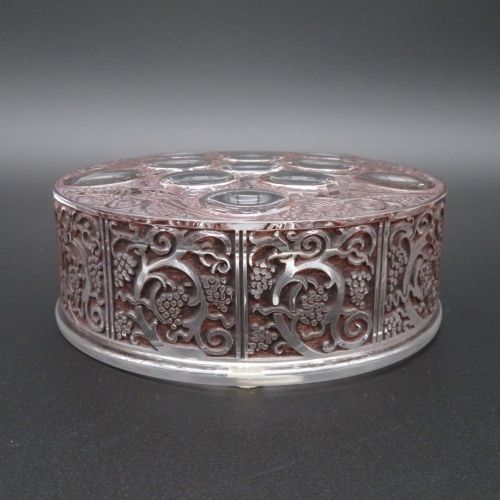
Origins span British production, notably with Birmingham assay marks on silver components, alongside continental European works from makers such as Rene Lalique. Each piece reflects the dressing table customs of its respective decade, from 1900 through to the 1930s.
How They Were Made
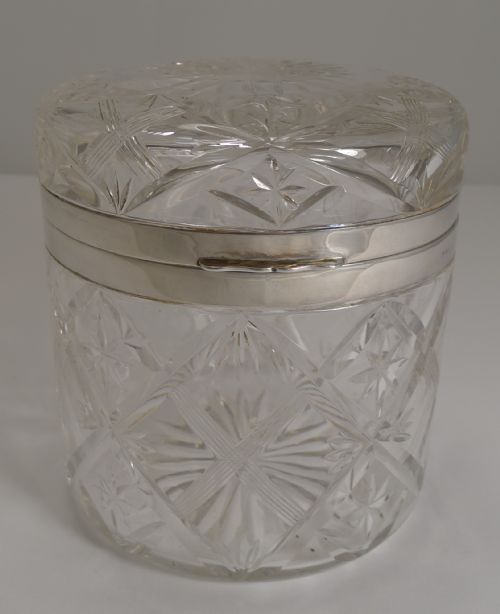
Glass bodies are shaped through cutting, moulding, or blowing, utilising clear crystal, frosted glass, cranberry glass, or Bristol blue glass. The resulting vessels display deep facet cutting or delicate translucent coloration characteristic of their period.
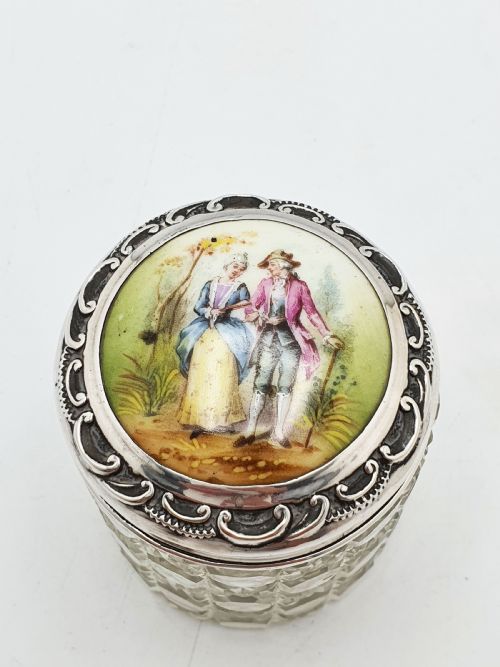
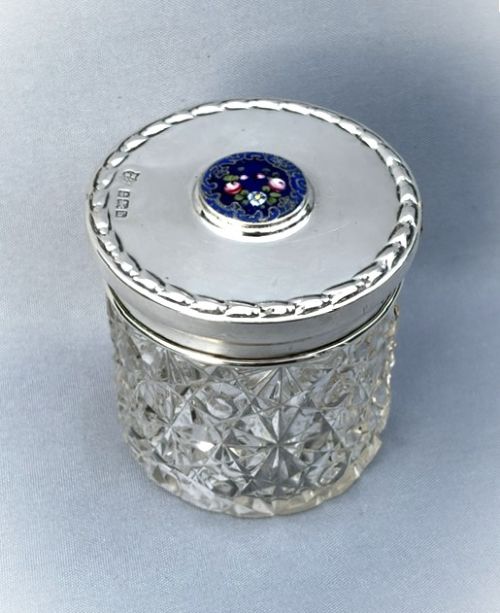
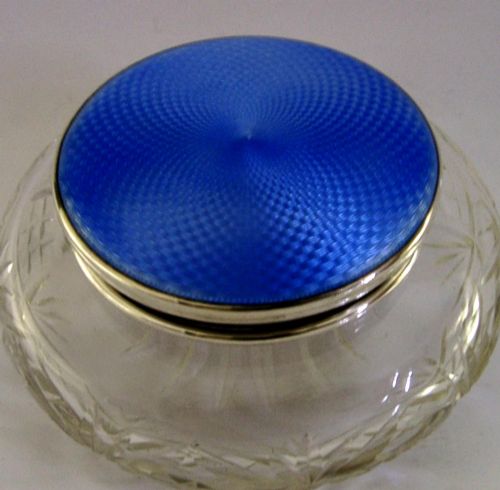
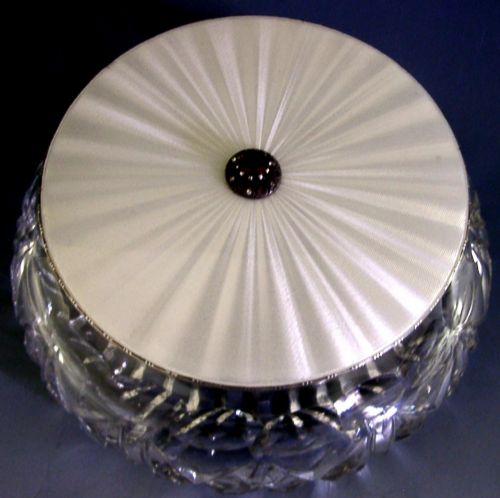
Lids incorporate sterling silver mounts, often worked with guilloche enamel in blue or pink shades, or inset with polished tortoiseshell panels. Birmingham silversmiths frequently provided the metalwork and hallmarks that secure the fitted lids.
Powder bowls once sat beside hair receivers and hatpin holders, completing the elaborate morning ritual of the Edwardian dressing table.
What Varies in Quality
The clarity and weight of the glass dictate the foundational standard of the vessel, with deep, crisp cutting outperforming shallow moulding. Crystal pieces demonstrate superior brilliance compared to standard moulded glass alternatives.
Metal and enamel work introduces another tier of distinction, where intact guilloche patterns and well-preserved sterling silver mounts elevate the piece. The integration between the glass body and the fitted lid shows the precision of the original maker.
Rene Lalique
The Antique Glass Powder Bowl Glossary
- Guilloche enamel
- A decorative technique involving intricate mechanical engraving beneath a translucent layer of coloured enamel. This finish frequently appears on the silver lids of dressing table jars.
- Cranberry glass
- A rich red glass created by adding gold chloride to the molten batch during production. It is a defining material for many Edwardian dressing table accessories.
- Sterling silver
- An alloy consisting of ninety-two point five percent silver and seven point five percent other metals, typically copper. British pieces often bear hallmarks indicating the town and year of assay.
- Tortoiseshell
- The mottled brown material derived from the shell of certain sea turtles, used historically for decorative inlays on silver boxes. It provides a warm, organic contrast to polished metal mounts.
- Cut crystal
- Glass containing a proportion of lead oxide, which increases its weight, refractive index, and clarity. Skilled artisans cut geometric patterns into the surface by hand.
Antique Glass Powder Bowl: Frequently Asked Questions
What is an antique glass powder bowl?
An antique glass powder bowl is a lidded container historically used on dressing tables to hold loose face powder or cosmetics. These items combine a glass or crystal base with a decorative lid, often made from sterling silver.
They reflect the vanity customs of the Edwardian and Art Deco eras, serving both a functional purpose and a decorative role in the bedroom.
How do I date an antique powder bowl?
Dating these pieces involves examining the hallmarks on any silver components, the manufacturing style of the glass, and overall design characteristics. British silver mounts frequently carry assay office marks and date letters that pinpoint the exact year of manufacture.
Stylistic cues also help, as geometric patterns indicate Art Deco influences from the 1920s and 1930s, while softer floral motifs often point to Edwardian or Art Nouveau periods.
What materials were used for the lids?
Lids were commonly constructed from sterling silver, sometimes enhanced with coloured enamel or panels of polished tortoiseshell. Makers also utilised moulded crystal and frosted glass for figural or patterned covers.
The combination of cut crystal bases with contrasting metal and enamel tops defined the high-end dressing table accessories of the early twentieth century.
How should I care for my powder bowl?
Care requires gentle cleaning methods, particularly for pieces featuring delicate silver mounts, enamel, or tortoiseshell. Use a soft, dry cloth for the metal and enamel surfaces to avoid scratching the protective layers.
Glass bases can be washed in lukewarm water with mild soap, provided any attached metal lids are kept dry and away from prolonged submersion.