


Antique Dressing Table Pot
When an antique dressing table pot catches your eye, you are looking at a small vessel designed to hold powders, pins, and cosmetics on a Victorian, Edwardian, or Art Deco vanity.
Antique Dressing Table Pot
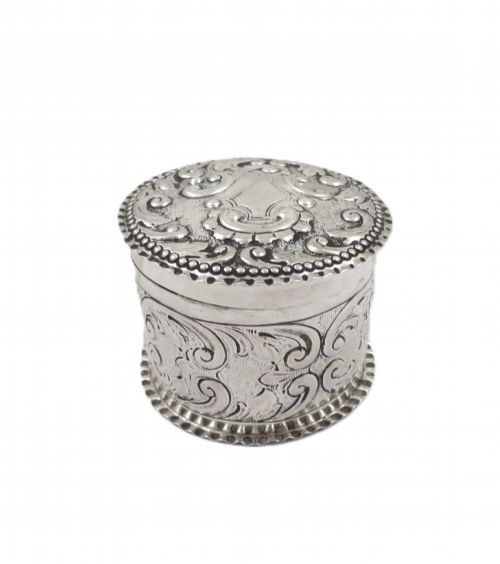
An antique dressing table pot is a functional vessel designed for powders, pins, and cosmetics, sitting atop a vanity or dressing chest. These containers appear in forms such as powder boxes, trinket boxes, vanity jars, and rouge pots.
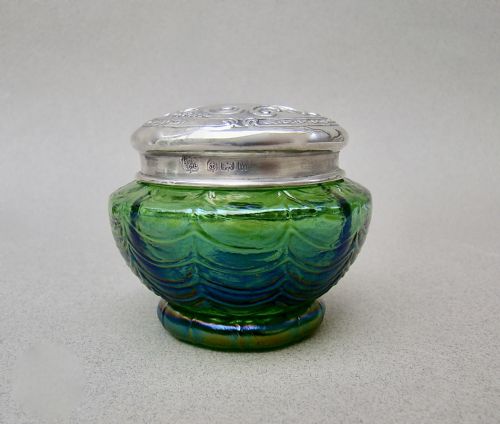
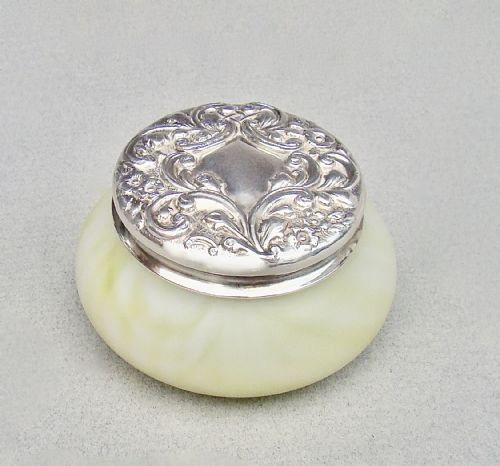
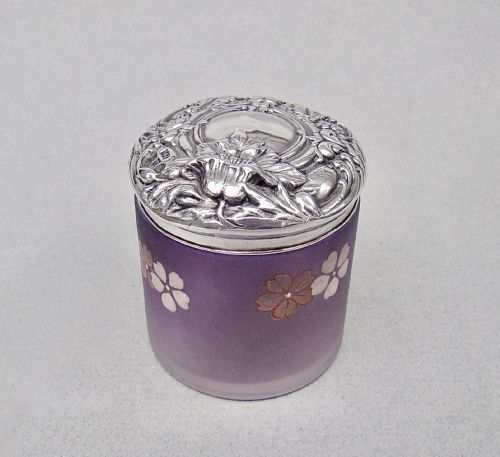
The versions most commonly met on this page span the late nineteenth century through to the Edwardian period and the 1930s. They range from simple ceramic powder bowls to cut glass jars fitted with sterling silver lids.
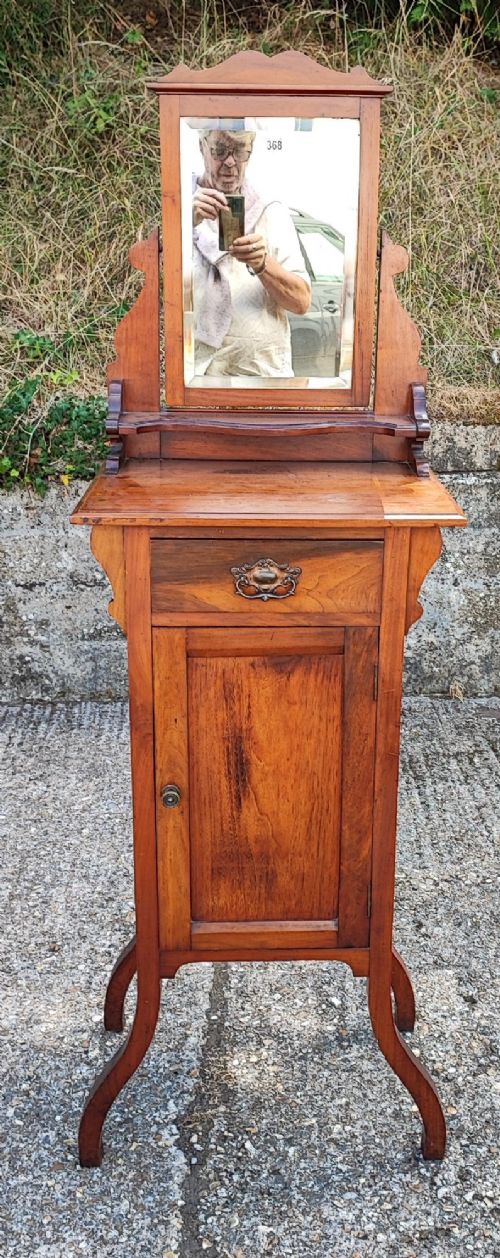
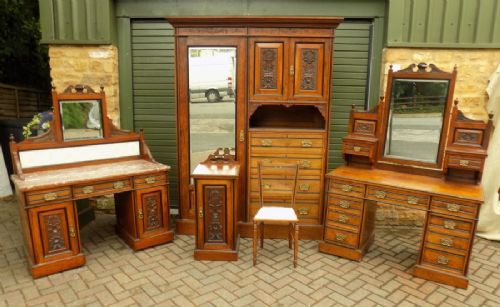
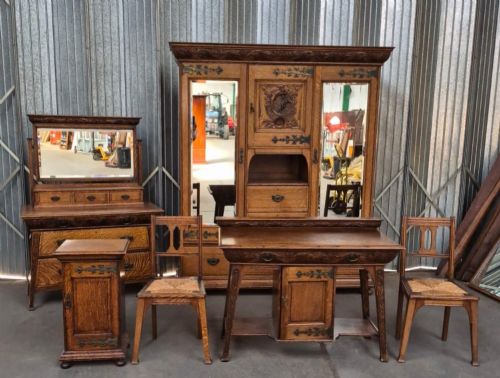
Makers and retailers from Harrods to Asprey produced these accessories in glass, porcelain, and enamel to complement broader bedroom suites made of burr walnut or golden oak.
How they were made
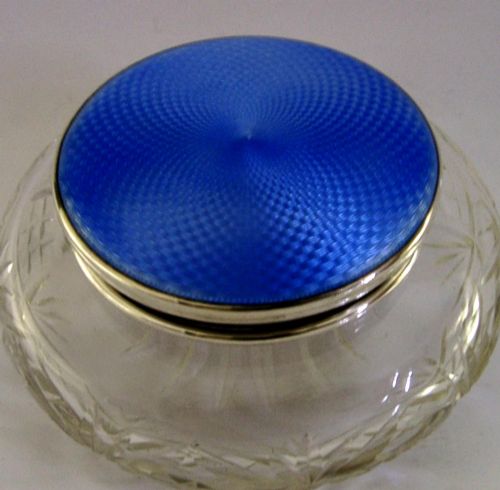
Makers combined precious metals with glass, ceramic, and enamel, utilising sterling silver for hinged or lift-off lids while employing cut glass, pressed glass, satin glass, or coloured Bristol blue glass for the bodies.
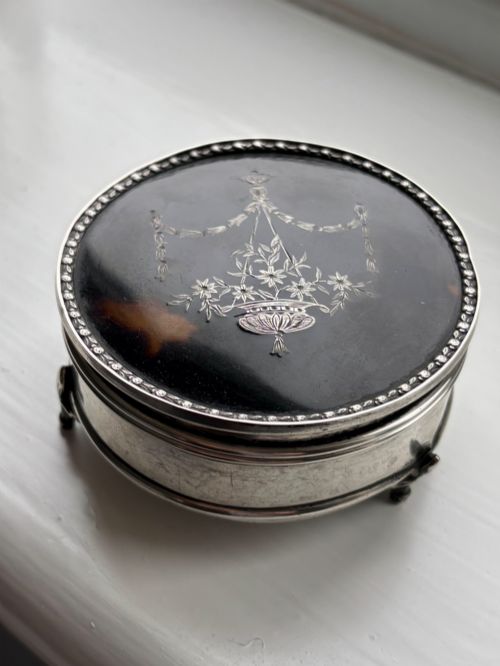
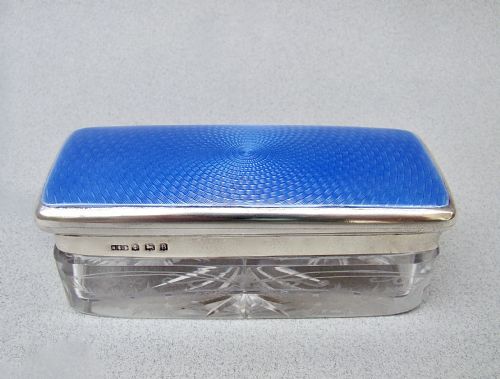
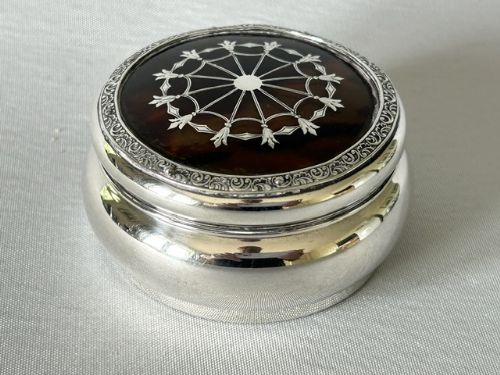
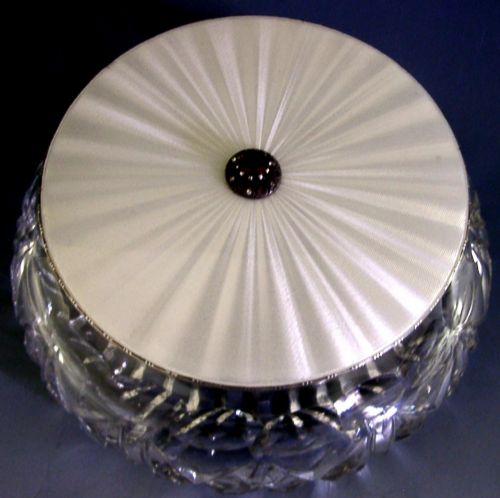
Craftsmen applied decorative techniques such as guilloché enamel, hand-painting, spot-hammering, and pique work to metal mounts, alongside intricate etching or overlay on the glass vessels.
The listings span the Victorian era, the Edwardian period, and the Art Deco style of the 1920s and 1930s.
What varies in quality
The calibre of an antique dressing table pot is judged by the weight and purity of its metal mounts, the clarity and depth of the glass cutting, and the crispness of any enamel work. Heavier sterling silver components and unblemished glass display superior craftsmanship.
The presence of clear hallmarks from recognised silversmiths alongside luxury retail signatures elevates a piece, distinguishing standard commercial production from finer workshop output.
A. J. Pepper & Co·Ollivant & Botsford·Henry Clifford Davis·A. Bromet & Co·Asprey & Co·William Comyns·Nathan & Hayes·Henry Williamson Ltd
The Antique Dressing Table Pot Glossary
- Guilloché enamel
- A decorative technique involving precise, intricate mechanical patterns engraved beneath a translucent enamel layer. This method was widely favoured on Art Deco silver vanity jars.
- Pique work
- The delicate inlay of tiny gold or silver points and pins into tortoiseshell or ivory surfaces. It is frequently seen on Edwardian trinket boxes.
- Pot pourri box
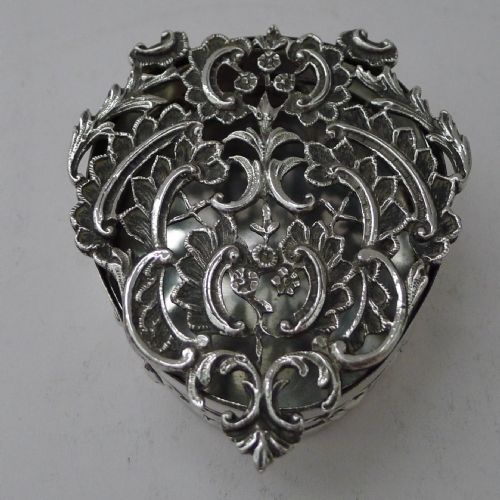
- A specialised lidded container featuring pierced or perforated metal work designed to release fragrance. These pieces often doubled as decorative dressing table ornaments.
- Clichy glass
- Nineteenth-century French glass associated with rich colouration and layered techniques. Such glass forms the body of distinct antique vanity jars.
- Blush ivory
- A soft, creamy ceramic glaze developed by porcelain manufacturers like Royal Worcester. It provides a matte backdrop for hand-painted floral decorations on Edwardian lidded jars.
Antique Dressing Table Pot: Frequently Asked Questions
What were antique dressing table pots used for?
These vessels held a variety of personal grooming items on the Victorian or Edwardian vanity, including loose powders, rouge, hairpins, and small trinkets.
Ladies utilised them daily as both functional storage and decorative dressing table accessories before modern cosmetic packaging existed.
How do I identify an Edwardian dressing table pot?
Edwardian examples often feature sterling silver lids hallmarked in Birmingham or Chester around the turn of the twentieth century, paired with cut glass or satin glass bodies.
Look for hallmarks and stylistic details such as softer floral motifs or early glass manufacturing methods characteristic of the period.
What is the difference between a trinket box and a powder bowl?
Trinket boxes are typically smaller containers with hinged or fitted lids designed for jewellery and hairpins, often featuring heavier silver mounts.
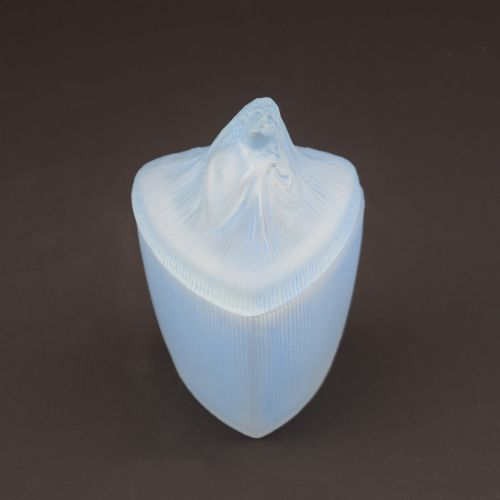
Powder bowls are larger, wider ceramic or glass vessels meant to hold loose cosmetic powder, frequently topped with a decorative matching lid or featuring figural motifs.
How should I display antique dressing table pots?
These pots look best grouped on a traditional wooden dressing chest, a vanity tray, or within a glass-fronted display cabinet where their glass bodies and enamel lids catch the light.
Grouping pieces from similar periods, such as matching Art Deco enamel sets, creates a cohesive display that highlights their craftsmanship.