



Edwardian Cut Glass Box
These pieces are tangible survivors of an elegant era, offering a glimpse into how Edwardian cut glass boxes preserve tactile history for the modern home.
Edwardian Cut Glass Box
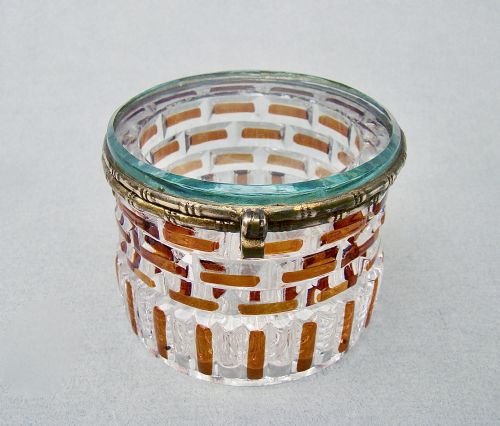
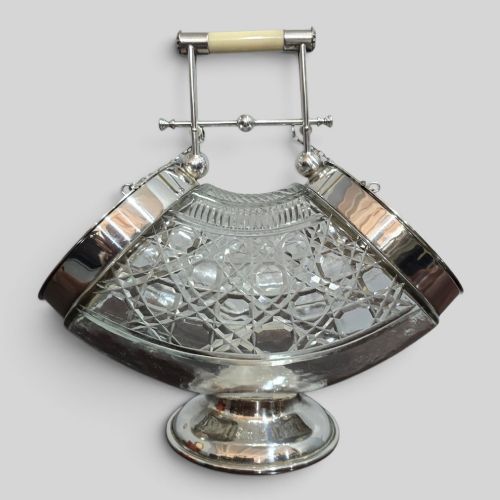
When you search for an edwardian cut glass box, you encounter vessels designed to hold dressing table items, trinkets, stamps, or biscuits. These pieces combine heavy faceted glass with gleaming metal mounts to serve practical and decorative roles in the home.
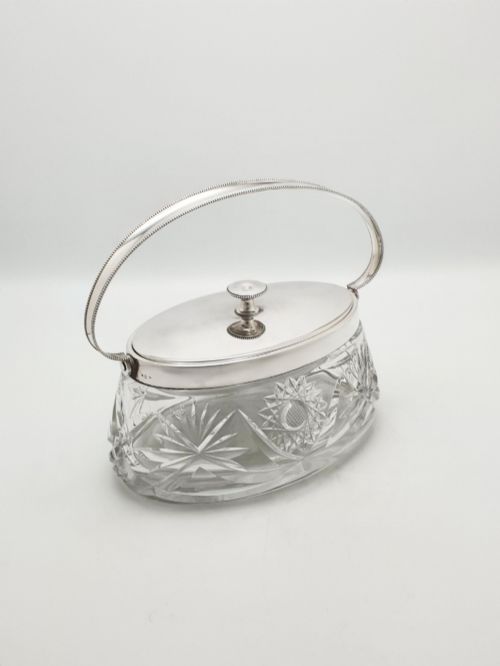
The version most likely to meet you on this page is a trinket box or a biscuit barrel featuring sterling silver or silver plated lids. They originate primarily from the Edwardian period, alongside related Victorian and later examples that share similar craftsmanship.
Materials and Techniques
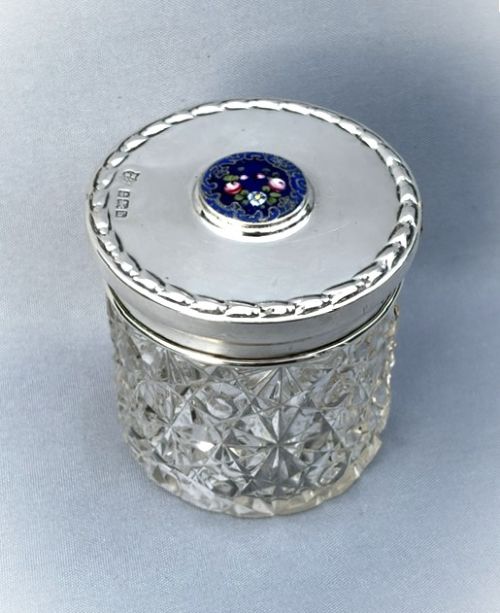
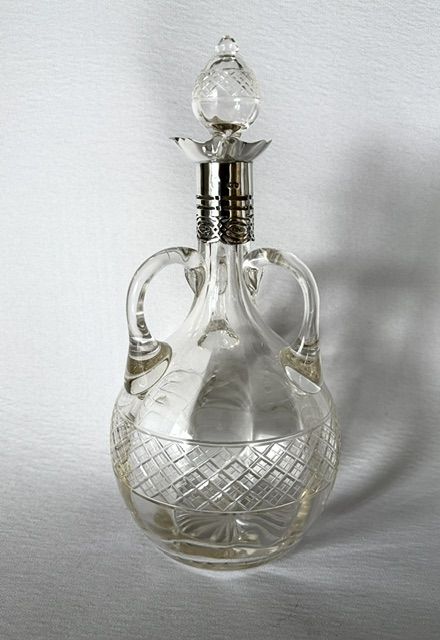
Makers utilised heavy cut glass, cut crystal, and moulded glass to form the main bodies of these containers, often incorporating deep hobnail or geometric facets that catch the light. These glass elements were paired with sterling silver, silver plate, brass, oak, satinwood, and occasionally tortoiseshell or enamel.
Metal mounts and hinged lids were securely fitted to the glass rims, frequently bearing hallmarks that record the year and assay office of production. Artisans combined these mixed media elements using traditional silversmithing and glass-cutting techniques.
Distinctions in Quality
The weight and depth of the glass cutting separate finer items from standard productions, where crisper facets create sharper light refraction. Substantial glass walls paired with heavy gauge sterling silver lids indicate superior original manufacture.
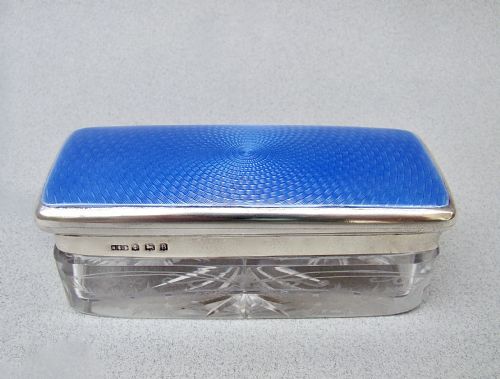
Detailing on the metalwork also defines the tier of a piece, with hand-embossed motifs, guilloche enamel, or intricate marquetry strings on wooden frames marking out works by notable silversmiths and makers.
Henry Clifford Davis·James Dixon and Sons·William Comyns·Grinsell and Sons
The Edwardian Cut Glass Box Glossary
- Hobnail cut
- A pattern of sharp, pyramid-shaped facets cut into the surface of glassware. This technique creates a heavily textured finish that maximises sparkle.
- Guilloche enamel
- A decorative technique where translucent enamel is layered over precisely engraved metal. It adds rich colour and intricate geometric patterns to silver lids.
- Biscuit barrel
- A covered ceramic or glass container used for storing dry biscuits on the dining table. They frequently feature swing handles and silver plated mounts.
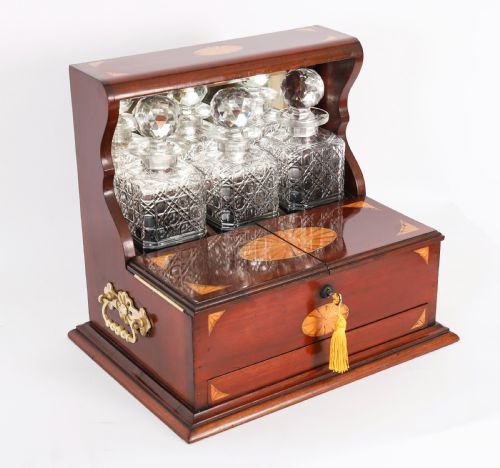
- Tantalus
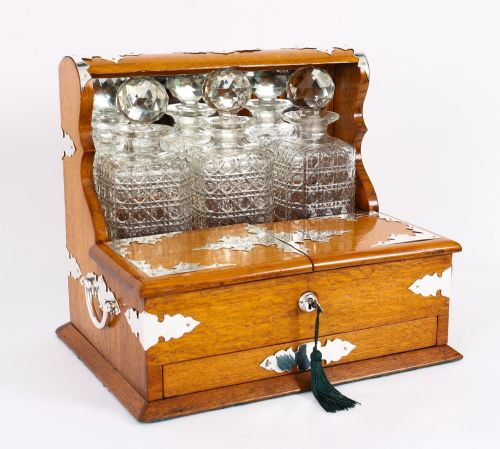
- A locking wooden frame designed to secure decanters while revealing their contents. They often incorporate compartments for games and drinks.
- Hallmark
- An official stamp or marks struck on precious metals. They indicate the metal standard, the assay office, and the year of manufacture.
Edwardian Cut Glass Box: Frequently Asked Questions
What were glass boxes used for?
These vessels served various domestic purposes on dressing tables, desks, and dining rooms. They held small valuables, trinkets, postage stamps, or edible biscuits.
Their sturdy construction protected delicate contents from dust while displaying them attractively in domestic interiors.
How do I clean my glass box?
Gentle maintenance preserves the integrity of both the glass body and the metal mountings. Wash the glass carefully with warm soapy water while keeping moisture away from lined interiors or glued hinges.
Polish silver components using a soft cloth designed for precious metals to avoid scratching the polished surfaces.
How can I date an Edwardian box?
Examination of metal components often reveals official hallmarks stamped by assay offices. These stamps provide specific letters and symbols that correspond to exact years of production.
Stylistic markers such as hobnail cutting patterns or enamel work also help align pieces with the broader Edwardian era.
Are the lids removable?
Most lids on these items are attached via metal hinges designed to open smoothly. The hinge mechanism allows for easy access to the contents while keeping the lid securely anchored.
Some vanity jars and smaller pots feature lift-off lids rather than mechanical hinges.