


Silver Topped Glass Pot
A silver topped glass pot combines the bright weight of metal with the cool clarity of crystal, serving as a functional vessel for dressing tables and desks.
Silver Topped Glass Pot
A silver topped glass pot bridges the practical and the decorative, taking the form of dressing table jars, vanity boxes, inkwells, and condiment sets across this page. These vessels serve to store small personal items, writing fluids, or preserves while sitting upon a surface.
The pieces appearing here span from the Georgian era through the Victorian period, Edwardian years, and into the Art Deco and Mid-Century movements. The version most frequently met is the Edwardian or 1920s cut glass container fitted with a hallmarked sterling silver lid.
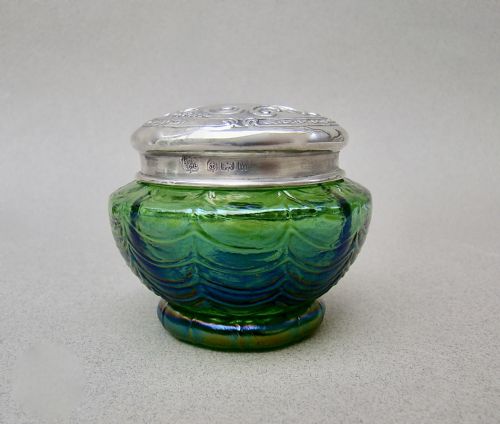
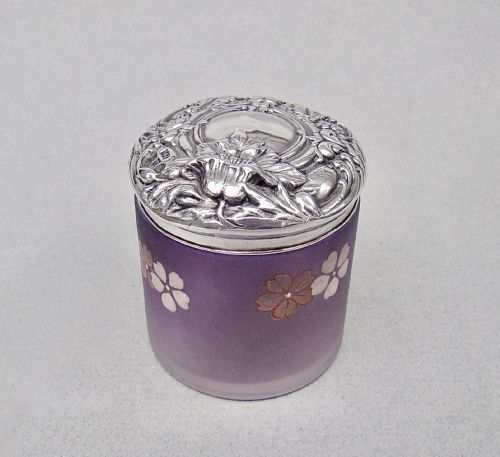
Makers fashioned these containers for diverse domestic uses, producing everything from heart-shaped trinket boxes and glue pots to honey jars and desktop ink pots. Glass bodies range from clear cut crystal and frosted glass to coloured cranberry and Kralik glass.
How They Were Made
Artisans produced the glass bodies through blowing, moulding, and intricate facet or hobnail cutting, sometimes adding etching or coloured enamel layers. Clichy and Kralik glass techniques bring distinct colour and texture variations to the transparent matrices.
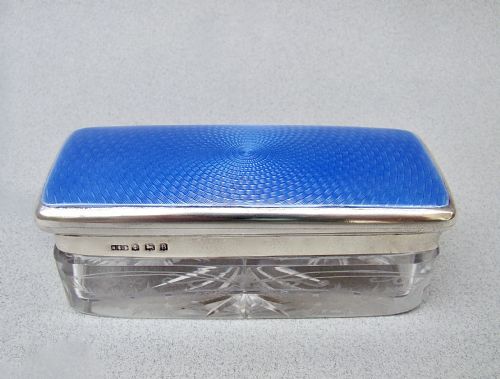
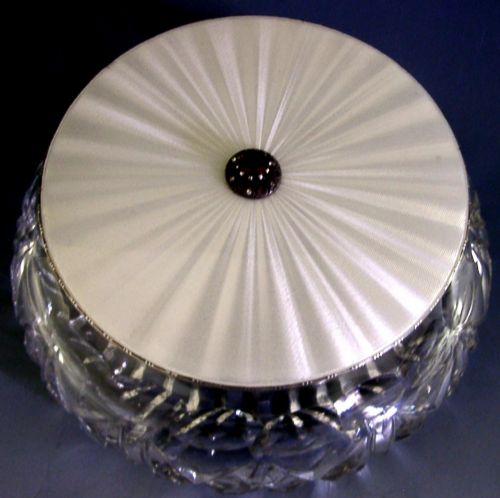
Silversmiths shaped the matching metal components from sterling silver, silver plate, or tortoiseshell-inlaid frames, often applying engine-turned guilloché enamel patterns. Birmingham and Sheffield assay offices stamped these covers with hallmarks indicating the year and maker.
Listings feature items spanning the 19th Century, Georgian, Edwardian, Art Deco, and Mid-Century Modern periods, utilising cut glass, sterling silver, and enamel.
What Varies in Quality
The depth and crispness of the glass cutting dictate visual brilliance, where sharp facets catch light far better than soft, moulded surfaces. Heavy cut crystal and thick silver gauge signal superior craftsmanship compared to thin plated metal and light blown glass.
Intricate embellishments such as multi-coloured guilloché enamel, tortoiseshell panels, or hand-etched motifs elevate certain dressing table jars above plain utilitarian containers. Complete sets with matching silver spoons or intact inner liners retain higher design integrity.
A J Pepper & Co·Henry Clifford Davis·Jonathan Douglas·Charles Green·Asprey
The Silver Topped Glass Pot Glossary
- Guilloche Enamel
- Decorative metalworking technique where a precise, intricate pattern is mechanically engraved beneath a translucent enamel layer. This creates a shimmering, wave-like visual depth beneath the coloured glass-like surface.
- Hobnail Cut
- A raised, faceted geometric pattern cut into the surface of glassware that resembles the hobnails used on heavy boots. It provides both a tactile grip and brilliant light refraction.
- Sterling Silver
- An alloy consisting of ninety-two point five percent silver and seven point five percent other metals, usually copper. This standard ensures structural durability for hinged lids and fitted mounts.
- Kralik Glass
- Bohemian art glass produced by the Wilhelm Kralik Sohn factory, known for iridescent surfaces and organic experimental forms. Pieces often feature distinct pulled patterns or metallic sheens.
- Hallmark
- Official stamp applied by an assay office indicating metal purity, origin city, and date of manufacture. These tiny marks allow precise tracking of British silversmiths.
Silver Topped Glass Pot: Frequently Asked Questions
What were these glass pots used for originally?
These vessels held cosmetics, pins, ink for writing desks, or preserves for the dining table, depending on their specific form. Dressing table jars kept powders and trinkets contained, while inkwells managed desk fluids.
Their presence in a room marked an attention to orderly domestic life, with precious materials guarding everyday commodities.
How can I date my silver lidded jar?
Hallmarks stamped onto the silver lid provide the most accurate dating evidence, showing the assay office mark, date letter, and sterling standard. Stylistic cues such as heavy hobnail cutting or geometric Art Deco enamel patterns also point to specific decades.
Comparing the manufacturing style of the glass body alongside the metal mount helps confirm the production period.
Are the silver tops solid silver?
Many lids consist of solid sterling silver bearing town marks and date letters, though some variants utilise silver plate over a base metal. Examining the interior of the lid usually reveals hallmarks if the piece is solid sterling.
Plated versions often show base metal peeking through where friction or polishing has worn the thin silver coating away over time.
How do I care for antique glass and silver?
Glass bodies respond well to warm soapy water and gentle cloth drying, avoiding harsh abrasives that might scratch the surface. Silver components require careful polishing with a specialised cloth to prevent tarnish while avoiding contact with any enamel panels.
Keeping enamel and tortoiseshell away from prolonged direct sunlight preserves their rich colours and prevents warping.