
Silver and Glass Jar
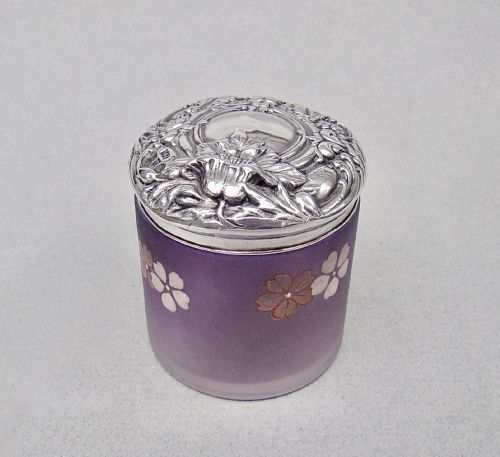
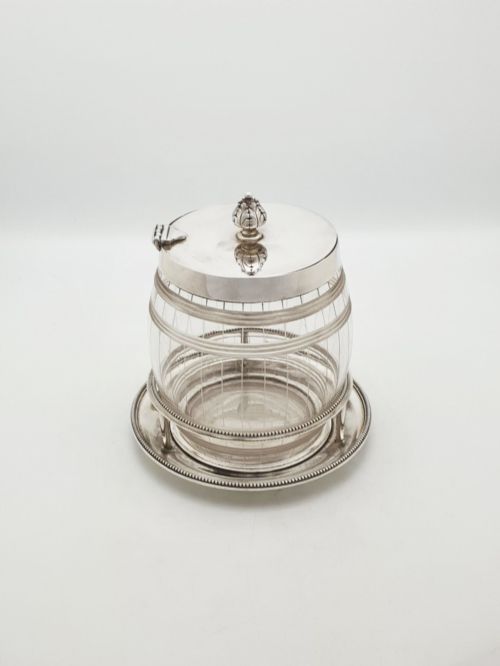
A silver and glass jar combines bright metalwork with heavy crystal or coloured vessels to serve as a dressing table accessory or dining container.
Silver and Glass Jar
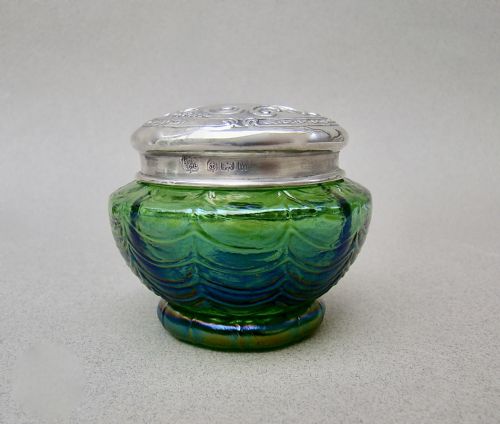
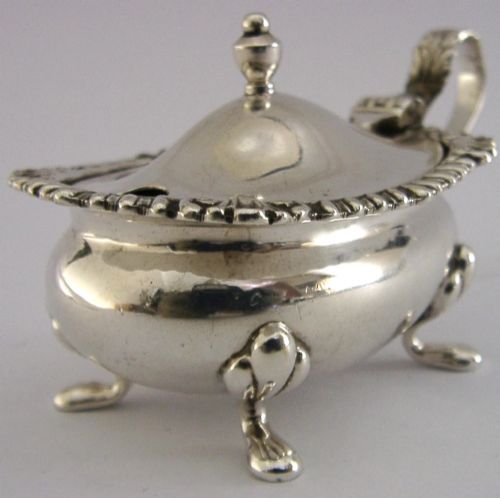
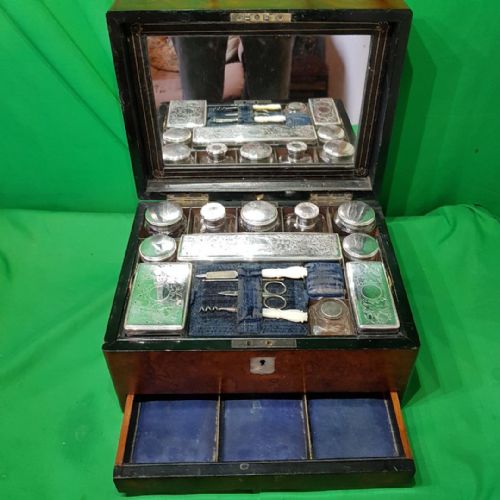
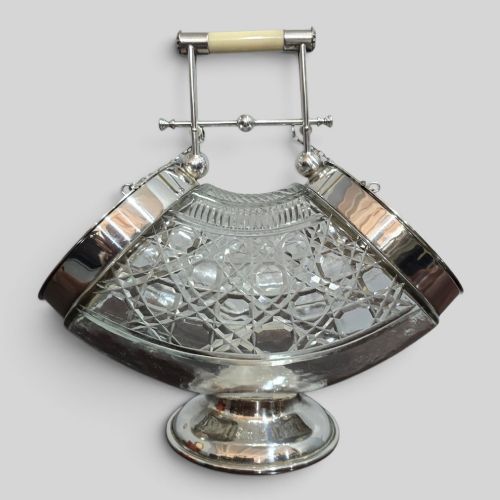
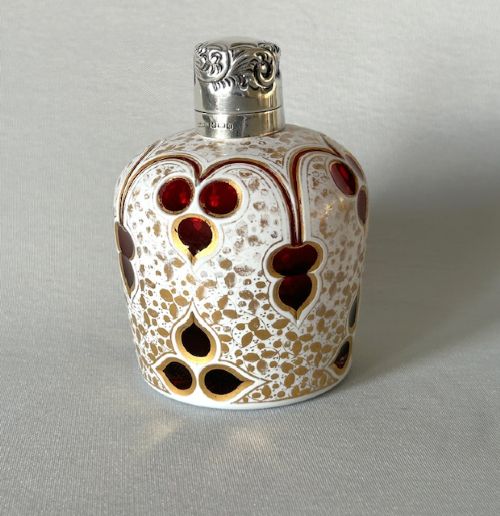
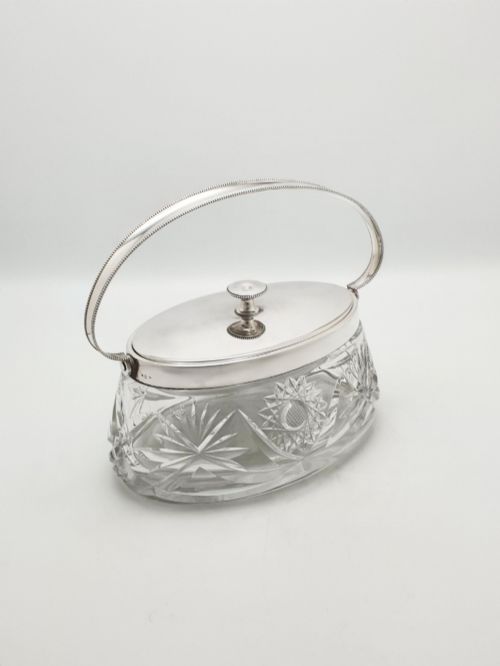
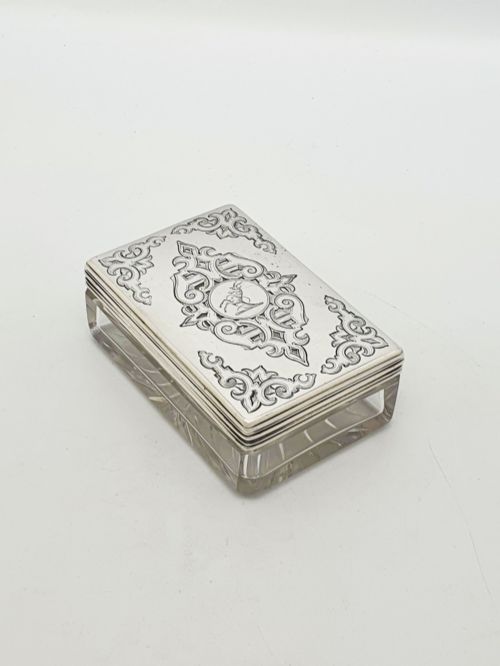
A silver and glass jar encompasses a wide variety of domestic containers from the Victorian, Edwardian, and Art Deco periods, ranging from dressing table jars and scent bottles to biscuit barrels and mustard pots.
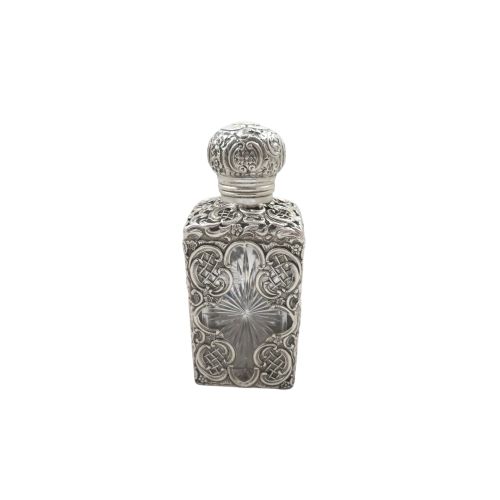
The objects combine functional glass vessels with precious metal mounts, hinged lids, and screw caps made from sterling silver or silver plate.
Smaller examples serve vanity and dressing table uses for trinkets and cosmetics, while larger forms function as preserve pots, condiment containers, and biscuit barrels for the dining table.
How They Were Made
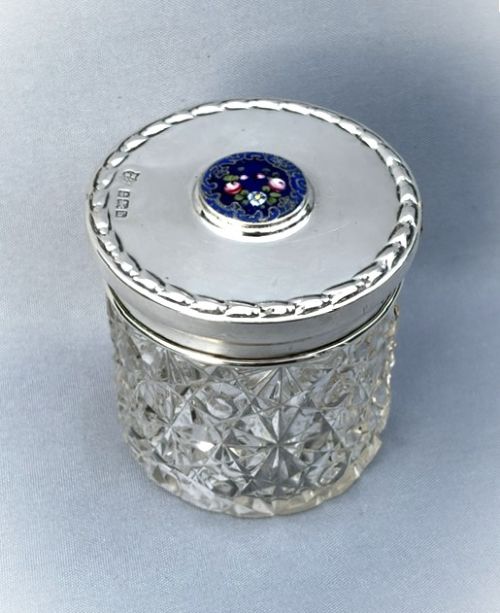
Glass bodies are produced through moulding, hobnail cutting, panel cutting, or free-blowing, utilising clear crystal alongside cranberry, amethyst, satin, and blue glass variants.
Metal components utilise sterling silver or silver plate, shaped into mounts, collars, and hinged or pull-off lids.
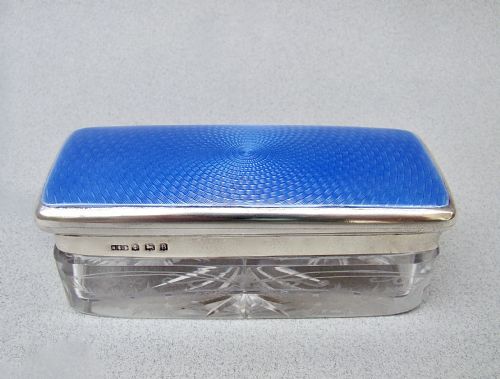
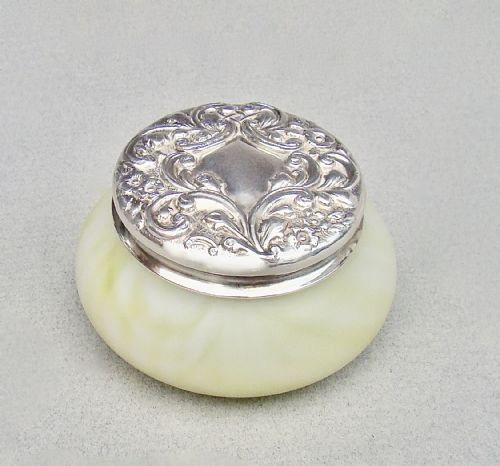
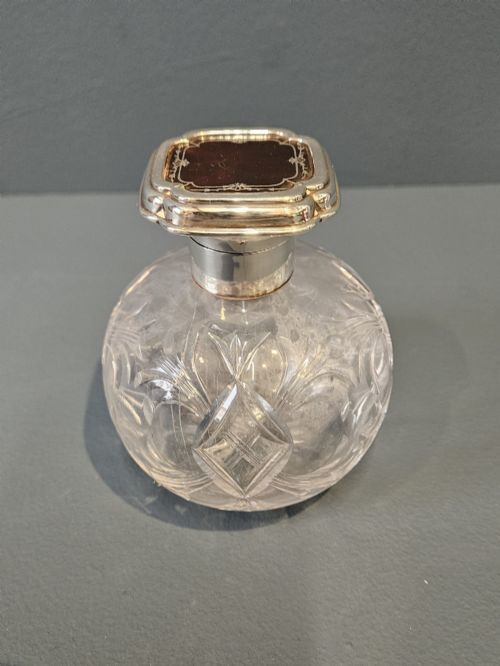
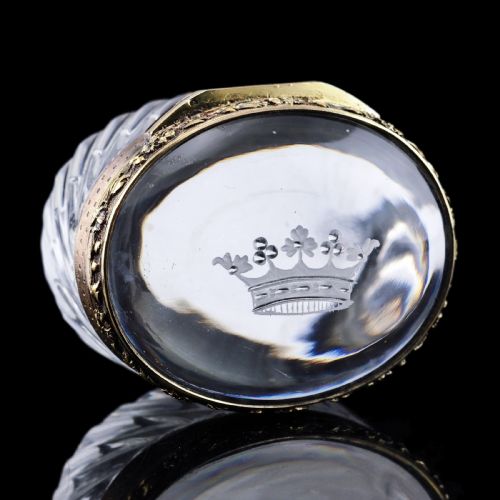
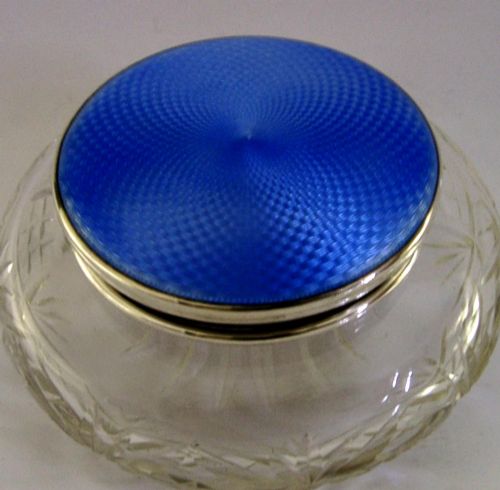
Surface decoration incorporates guilloché enamel, tortoiseshell inlay, floral repoussé work, and engraved detailing applied directly to the metal mounts.
Preserve pots shaped entirely like apples bring a touch of the orchard straight to the breakfast table.
What Varies in Quality
The weight and thickness of the glass base separate utilitarian vessels from finer pieces, alongside the depth and precision of the surface cutting.
The substance of the silver mount and the complexity of its decoration, such as intricate guilloché enamel or hand-tooled repoussé work, dictate the standard of the piece.
The integrity of the fit between the silver lid and the glass rim indicates the precision of the original manufacturing workshop.
A. J. Pepper & Co·Henry Clifford Davis·A. Bromet & Co·Elkington·WMF·Hukin and Heath·Hasset & Harper·Robert Pringle & Sons·George Unite·Posen of Frankfurt and Berlin·Adie Brothers
The Silver and Glass Jar Glossary
- Guilloché enamel
- Decorative metal surface covered with translucent enamel over an engine-turned geometric pattern. This technique gained popularity during the Edwardian and Art Deco eras on dressing table accessories.
- Hobnail cut
- A sharp, faceted geometric pattern cut into the surface of crystal glass. The resulting points catch the light across dressing table jars and heavy biscuit barrels.
- Repoussé
- Metalworking technique where the silver is hammered from the reverse side to form raised floral or scroll designs. This ornamental relief appears frequently on Edwardian lids.
- Silver plate
- A base metal layer coated with a thin layer of sterling silver. This method provided a durable alternative for larger dining vessels like biscuit barrels and jam pots.
Silver and Glass Jar: Frequently Asked Questions
What were silver and glass jars used for?
These vessels served diverse domestic functions, from holding cosmetics and pins on a bedroom dressing table to containing preserves, mustard, and biscuits in the dining room.
Smaller lidded pots held powders and trinkets, whereas larger cut crystal bodies with hinged handles protected foodstuffs on the table.
How do I date a silver and glass jar?
Hallmarks stamped on the silver mounts provide precise dates by indicating the assay office, standard mark, and date letter for the metalwork.
Stylistic shifts in the glass cutting and enamel colours also offer clues, moving from heavy Victorian hobnail patterns to geometric Art Deco guilloché designs.
How should I clean the silver and glass?
The glass body tolerates warm soapy water, but silver mounts and enamel lids require careful attention to avoid harsh abrasive contact.
Polishing cloths keep the sterling silver or plate bright without transferring chemicals onto fragile coloured glass or antique enamel surfaces.
Are the glass liners interchangeable?
Original glass liners and matching jars were manufactured as cohesive pairs, meaning replacements rarely fit the hand-cut mounts precisely.
Variations in cooling during historic glass production mean each fitted collar corresponds to its specific vessel.