
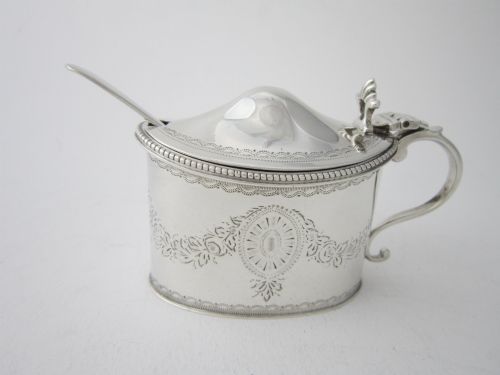
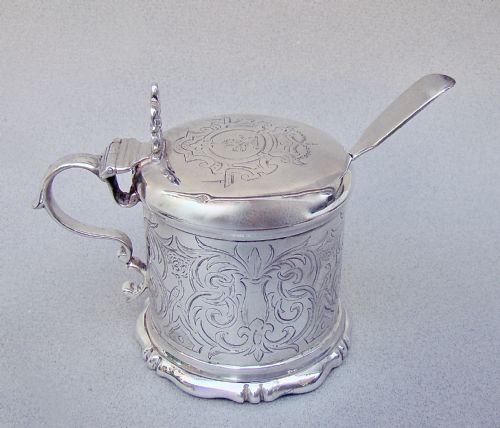


George V Silver Mustard
George v silver mustard pots bring precision to the dining table, combining solid sterling frames with vibrant glass liners.
George V Silver Mustard
A george v silver mustard pot sits as a small tabletop vessel designed to hold prepared mustard, usually accompanied by a fitted spoon and an interior liner.
The pieces appearing most frequently originate in the twentieth century, with simpler cylindrical or pierced frames dominating the selection alongside occasional geometric art deco examples.
Beyond standalone pots, buyers frequently encounter condiment sets that pair the mustard pot with matching salt cellars and pepperettes in fitted presentation cases.
Materials and construction
Silversmiths formed the exterior bodies primarily from sterling silver, utilising techniques such as piercing, casting, and stamping to create both plain drum shapes and decorative pierced scrollwork.
Vessels relied on removable interior containers made from cobalt blue glass, standard clear cut glass, or sometimes silk and velvet linings housed within fitted presentation boxes.
Makers added functionality through hinged lids fitted with thumbpieces, alongside small spoons forged from matching silver or terminating in glass handles.
Listings feature sterling silver, cut glass, cobalt glass, and velvet across George V, Georgian, and Art Deco styles.
Distinctions in craftsmanship
Quality rests heavily on the weight of the silver and the crispness of the maker marks stamped into the metal.
Superior examples retain their original, undamaged glass liners and matching spoons, whereas replacements alter the integrity of the ensemble.
Design complexity separates standard utilitarian pots from exceptional artisan pieces, particularly where hand-hammered surfaces or architectural pagodas distinguish the work.
Charles and George Fox·William Neale·Robert Hennell I·Omar Ramsden·Viners·Mappin and Webb·George Adams·Elkington and Company·William Hutton and Sons·George Unite·The Haseler Brothers·John Emes
The George V Silver Mustard Glossary
- Condiment set
- A matched group of tableware vessels holding seasonings like mustard, salt, and pepper. These collections often arrive in satin-lined presentation cases.
- Liner
- The removable glass insert that sits inside a silver mustard pot to protect the metal from vinegar corrosion. Cobalt blue glass versions are common.
- Pierced work
- Openwork decoration created by cutting patterns through the silver wall. It allows the coloured glass liner to show through the metal frame.
- Drum mustard
- A cylindrical mustard pot design with straight vertical sides and a flat hinged lid. This form appears across both Georgian and George V periods.
- Hallmark
- A series of stamped symbols indicating the metal standard, assay office, and year of manufacture. British silver relies on these marks for dating.
George V Silver Mustard: Frequently Asked Questions
How do I clean a silver mustard pot?
Wash the silver gently in warm soapy water using a soft cloth, ensuring you remove the glass liner first to prevent chemical damage.
Dry the metal thoroughly with a lint-free towel to maintain the polished finish without resorting to harsh abrasives.
Are original glass liners important?
Original glass liners matter because they fit the interior contours precisely and match the era of the silver frame.
Replacements remain functional, but matching cobalt or clear glass adds historical completeness to the piece.
How do I identify a George V piece?
Examine the hallmarks stamped on the base or lid to locate the assay office mark and the specific date letter.
George V pieces carry date letters corresponding to his reign between nineteen-ten and nineteen-thirty-six.
Can I use these pots daily?
Solid silver mustard pots are robust enough for regular dining use provided you clean them promptly after exposure to vinegar.
Remove leftover condiment immediately after meals to prevent the acidic mustard from pitting the interior silver surface.