


Silver Glass Condiment Vessel
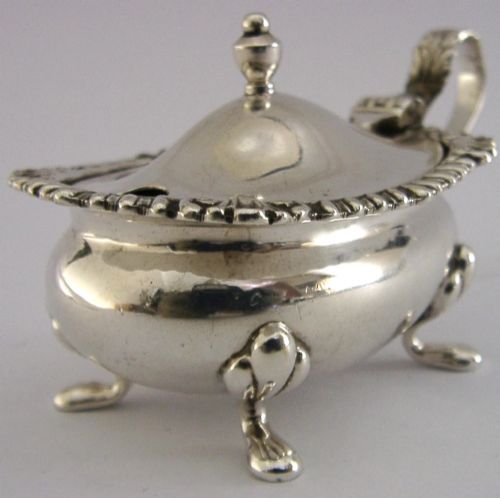
A silver glass condiment vessel is a table service piece designed for mustard, sugar or preserves, combining precious metal mounts with coloured or cut glass.
Silver Glass Condiment Vessel
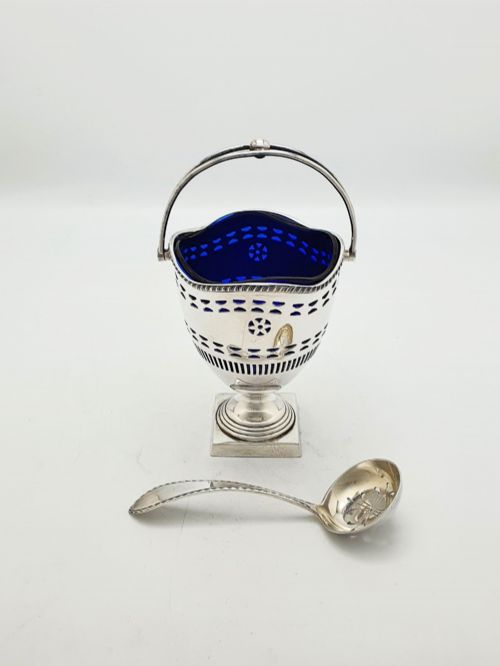
A silver glass condiment vessel brings together precious metal mounts and transparent or coloured glass inserts, serving as functional tableware for the dining table. When looking for a silver glass condiment vessel, a buyer encounters forms such as mustard pots, preserve jars, sugar bowls and decorative dishes spanning the Victorian, Edwardian and later twentieth-century periods.
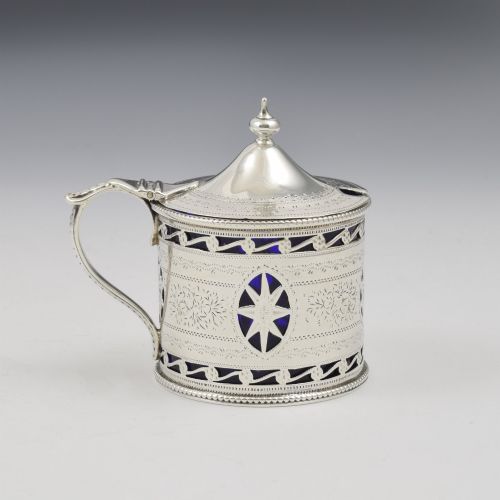
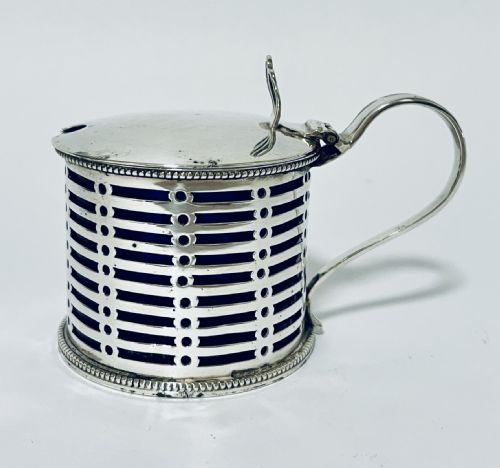
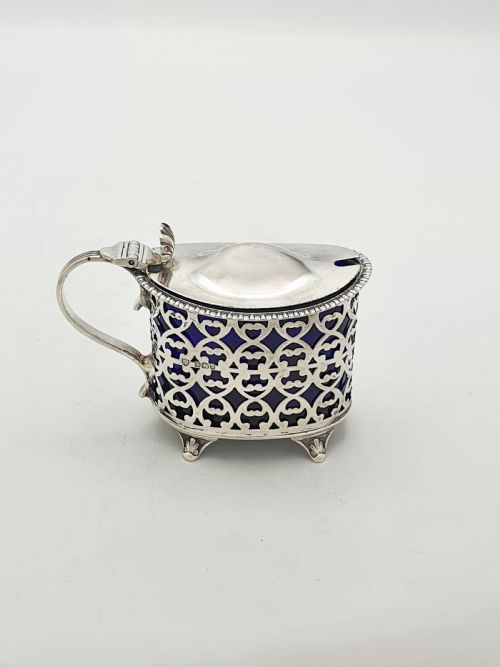
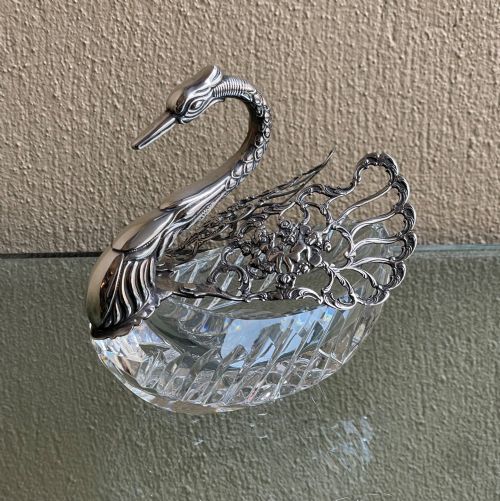
The most common examples on this page are mustard pots fitted with blue or cobalt glass liners, alongside cut glass condiment jars and preserve pots mounted in sterling silver or silver plate. These pieces originate from distinct design movements including Victorian, Edwardian, Arts and Crafts and Art Deco revivals.
The assortment reflects traditional British dining habits where condiments required secure, elegant containers on the sideboard or table. Each piece demonstrates how metalwork frames and protects fragile glass vessels designed for daily domestic use.
Materials and construction
Makers combined sterling silver or silver plate with blown, moulded and cut glass to produce these vessels. Pierced silverwork formed decorative outer cages that revealed the coloured glass liners within, while hinged lids protected the contents.
Cut glass elements relied on wheel-cutting techniques to create geometric or floral patterns that refracted light through the transparent material. Cobalt and blue glass liners were blown separately to fit snugly inside pierced silver mounts.
Victorian silversmiths sometimes hid tiny cherubs and birds inside the pierced scrollwork of everyday mustard pots.
Factors of quality
The weight of the silver mount and the precision of the piercing dictate the substance and balance of the object. Thicker gauge silver and crisp, hand-cut piercing separate finer examples from lighter, mass-produced items.
The clarity and depth of colour in the glass liner, along with a precise fit within the silver frame, mark the distinction between standard tableware and pieces commissioned from notable makers.
Nathan & Hayes·Charles Stuart Harris·Omar Ramsden
The Silver Glass Condiment Vessel Glossary
- Cobalt glass
- A deep blue glass coloured with cobalt oxide, frequently used for liners inside pierced silver mustard pots.
- Pierced silver
- Metalwork cut through to create openwork patterns, allowing the coloured glass liner to be seen beneath the exterior frame.
- Sterling silver
- An alloy consisting of pure silver and other metals, standardised for British hallmarked silverware.
- Silver plate
- A base metal layer coated with a thin layer of silver, offering the appearance of solid silver at a different cost.
- Condiment pot
- A small vessel designed to hold sauces, mustard or preserves for table service.
Silver Glass Condiment Vessel: Frequently Asked Questions
What were silver glass condiment vessels used for?
These vessels held table condiments such as mustard, sugar, preserves and relishes during formal and family meals.
They stood on the dining table or sideboard, allowing diners to serve themselves using small spoons or ladles.
How do I identify the period of a piece?
Makers' marks, hallmarks and style indicators provide dates for silver mounts, ranging from Victorian Gothic and Rococo revivals to later twentieth-century designs.
Design motifs such as cherubs, piercing styles and geometric Art Deco shapes also point to specific decades of manufacture.
Can I use these vessels for daily dining?
Most pieces remain functional for modern dining, provided the glass liners are washed by hand rather than placed in a dishwasher.
Care should be taken with vintage glass liners and antique silver plating during cleaning.
Why do some pieces have blue glass liners?
Cobalt blue glass liners were introduced to protect certain contents from light and to provide a striking visual contrast against pierced silver frames.
The coloured glass also disguised any residue left by mustard or preserves.