



Edwardian Dressing Table Jar
An edwardian dressing table jar brings silver and glass together on the vanity, holding powders, pins, and scents within a lidded container.
Edwardian Dressing Table Jar
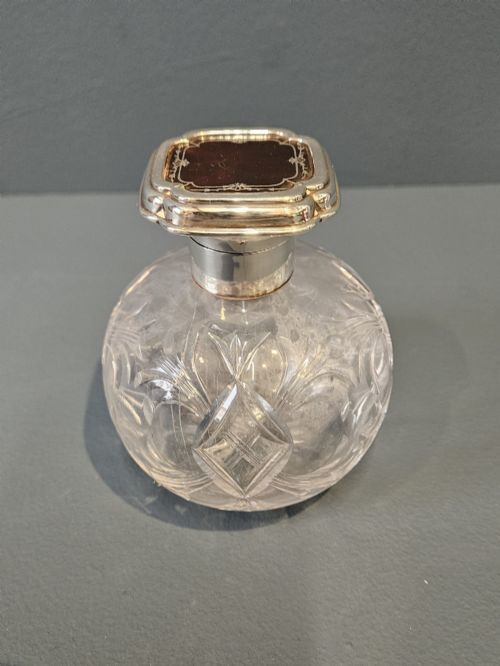
An edwardian dressing table jar sits on the vanity as a functional container for cosmetics, pins, and perfumes. These pieces take the form of vanity jars, trinket boxes, scent bottles, and rouge pots.
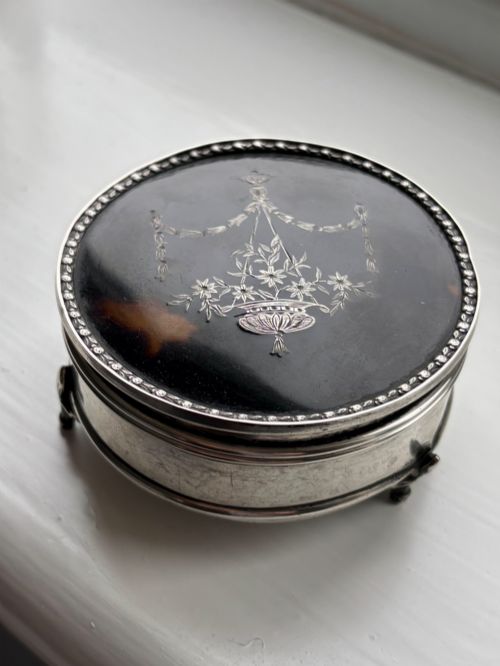
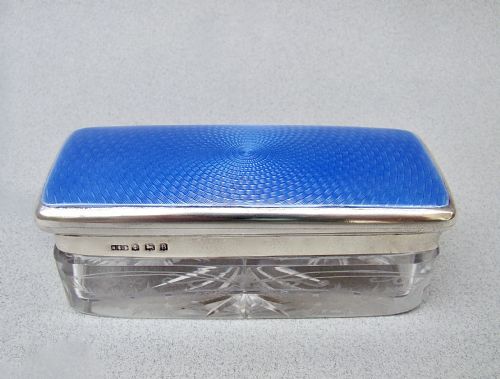
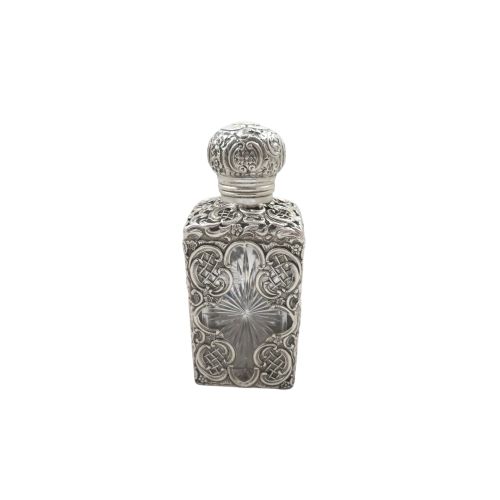
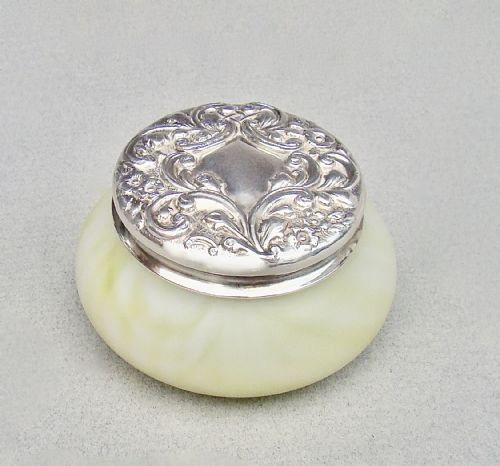
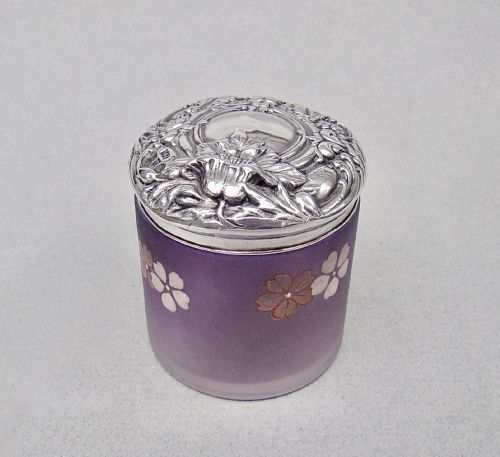
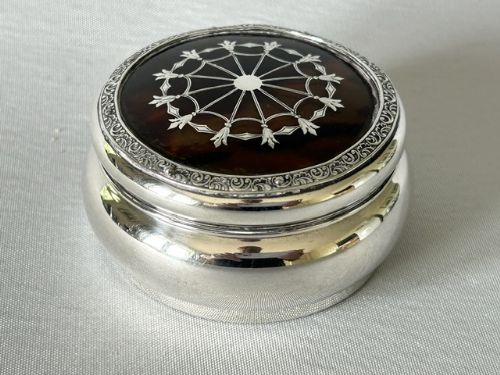
The materials combine glass bases with metal lids, most frequently pairing cut glass or cut crystal with sterling silver. Many examples incorporate tortoiseshell, enamel, and satin or cranberry glass.
The selection ranges from Victorian origins through Edwardian and George V periods into the Art Deco era. Makers from Birmingham and Chester produced these accessories with styles spanning Art Nouveau and Arts and Crafts.
How they were made
Glass bodies were formed by cutting, moulding, or blowing, utilising clear crystal, frosted glass, or coloured varieties like cranberry and amethyst. Metal components were shaped from silver and fitted with hinges or slip-on lids.
Surface decoration involved chasing, repousse work, and spot-hammering on the metal mounts. Enamel, pique work, and faux tortoiseshell were applied to lids for added colour and texture.
Some Edwardian jars wear angels on their silver lids, watching over morning routines with quiet grace.
What varies in quality
The depth and clarity of the glass cutting determine the visual weight of the base, alongside the weight and thickness of the sterling silver lid. Precision in the fit between lid and body separates standard containers from finer productions.
Artistic execution on the lid, such as detailed enamel work, pique, or hand-hammered surfaces, elevates the piece. Maker attribution to known workshops adds distinct provenance.
Ollivant & Botsford·Henry Clifford Davis·A. Bromet & Co·Asprey & Co·Nathan & Hayes·Barnsley & Co·Hasset & Harper·Robert Pringle & Sons·Thomas Hayes·Synyer & Beddoes
The Edwardian Dressing Table Jar Glossary
- Guilloche enamel
- Enamel decorated with intricate engine-turned geometric patterns beneath a translucent coloured layer. This technique was frequently applied to silver vanity jar lids during the Edwardian and Art Deco periods.
- Pique work
- The process of embedding tiny gold or silver pins into tortoiseshell to form delicate motifs. It appears on the lids of vanity boxes and scent bottles.
- Repousse
- Metalworking technique where a design is hammered into relief from the reverse side. Floral and angelic motifs often appear in relief on silver container lids.
- Cranberry glass
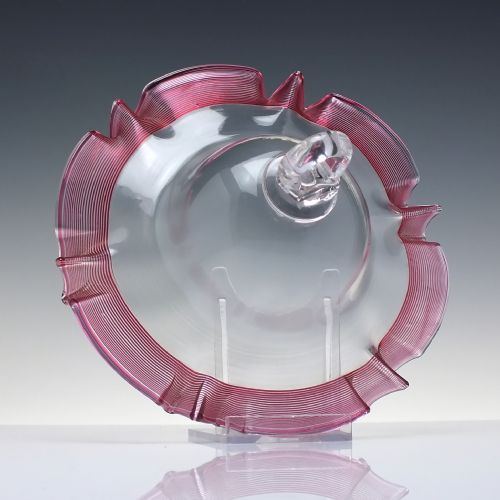
- Glass coloured through the addition of gold chloride while molten, producing a distinct pinkish-red hue. It was a popular choice for dressing table accessories.
- Sterling silver
- An alloy containing a high proportion of pure silver, stamped with hallmarks to indicate standard and origin. Most lids and mounts on these jars utilise this metal.
Edwardian Dressing Table Jar: Frequently Asked Questions
What is an edwardian dressing table jar?
An edwardian dressing table jar is a small lidded container designed for holding cosmetics, hairpins, or perfumes on a bedroom vanity.
These pieces typically combine a glass or crystal body with a sterling silver lid, sometimes featuring enamel or tortoiseshell.
How were they used?
They served as tidy receptacles for daily grooming items, keeping powders, creams, and pins neatly contained.
Perfume bottles and scent flasks were filled with liquid fragrance for daily toilette use.
How do I date a jar?
Dating relies heavily on the silver hallmarks stamped onto the metal lids or mounts, which indicate the assay office and year of production.
Stylistic cues such as Art Nouveau curves or Art Deco geometry also help determine the period.
How should I clean the silver?
Cleaning requires a soft cloth and a gentle silver polish applied away from the glass or enamel surfaces to avoid scratching.
Harsh chemical dips can damage vulnerable materials like tortoiseshell, enamel, or frosted glass.