

Edwardian Silver Jar
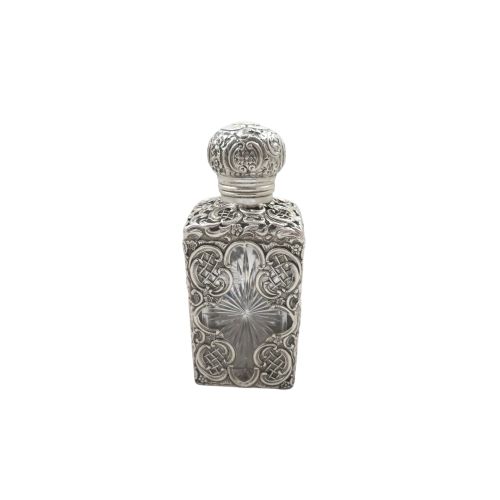
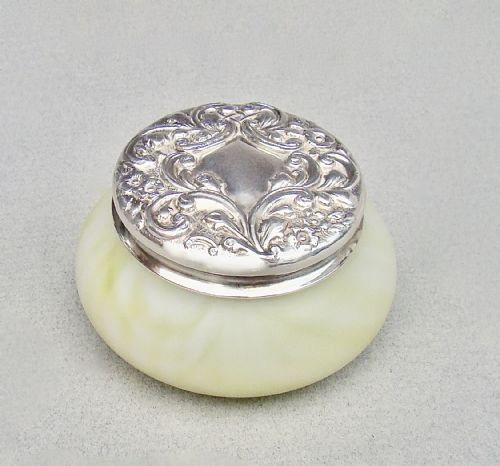
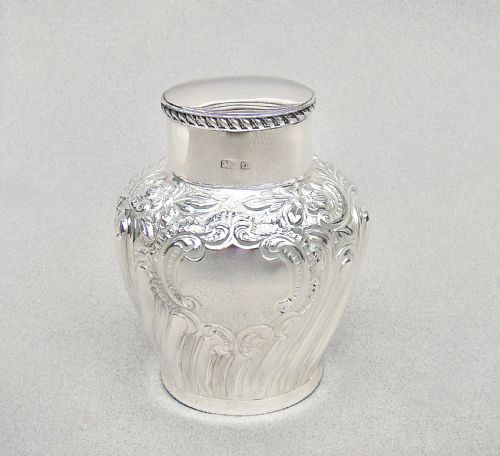
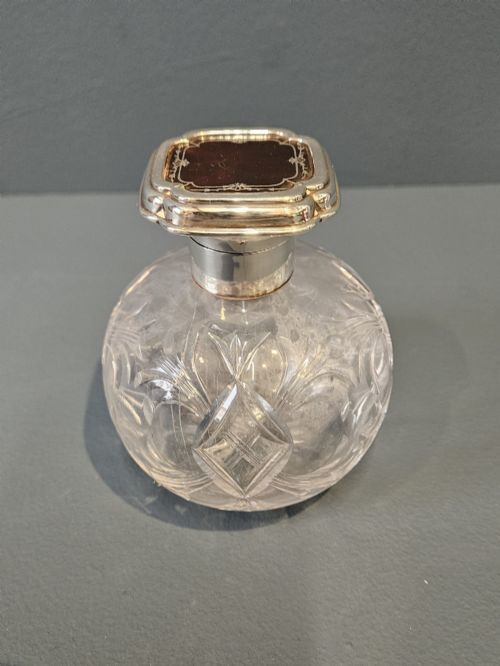
An edwardian silver jar brings domestic polish to a dressing table or tea service, combining hallmarked metal with cut crystal, glass or enamel.
Edwardian Silver Jar
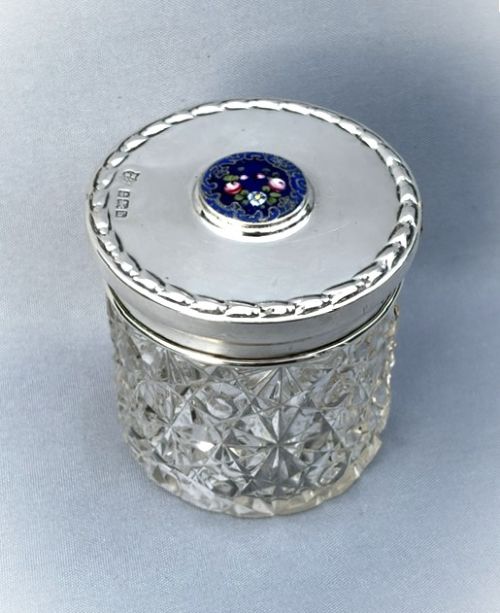
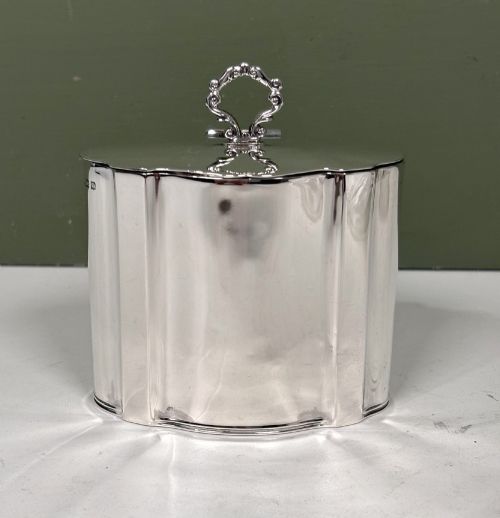
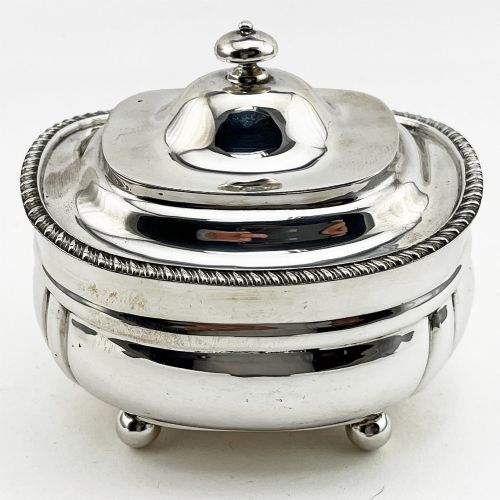
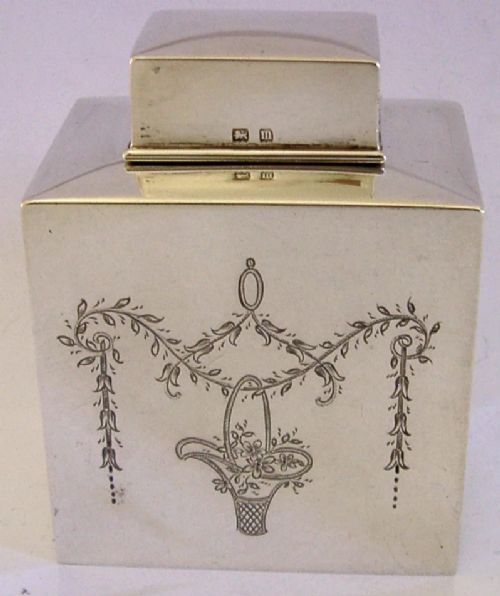
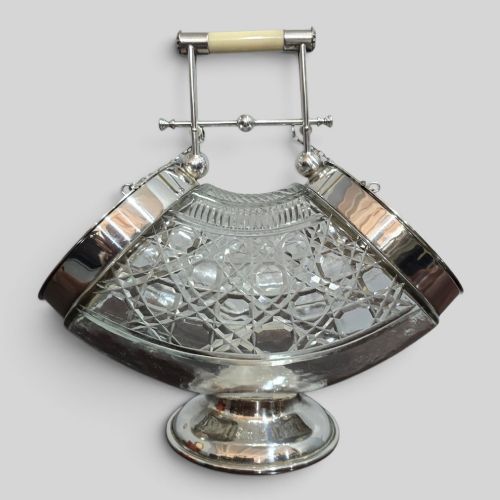
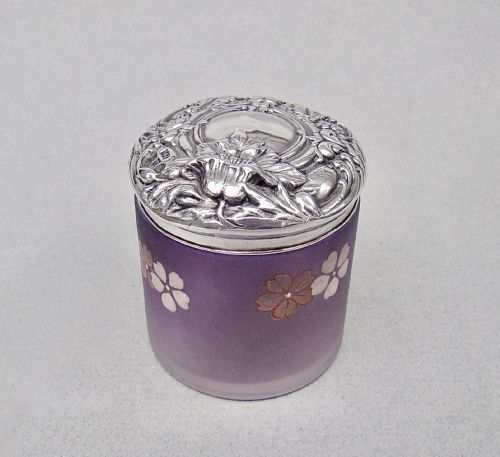
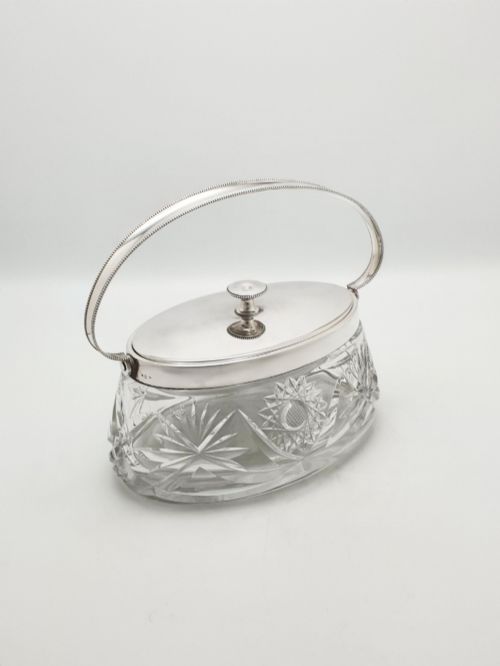
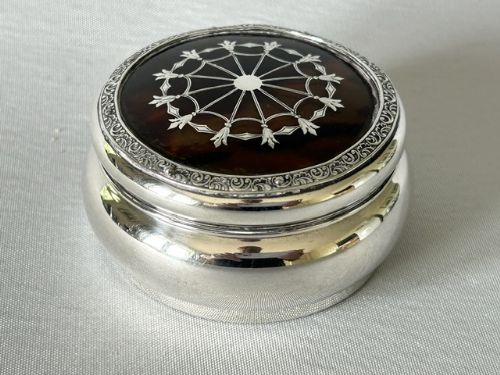
The edwardian silver jar encompasses a diverse array of utilitarian vessels, ranging from dressing table and vanity jars to tea caddies, biscuit barrels and preserve pots.
Most examples originate from the early decades of the twentieth century, bridging late Victorian tastes with subsequent George V and Art Deco designs.
Makers utilised various regional assay offices in cities such as Birmingham, London, Chester and Sheffield to hallmark their sterling silver and silver-plated mounts.
Materials and Technique
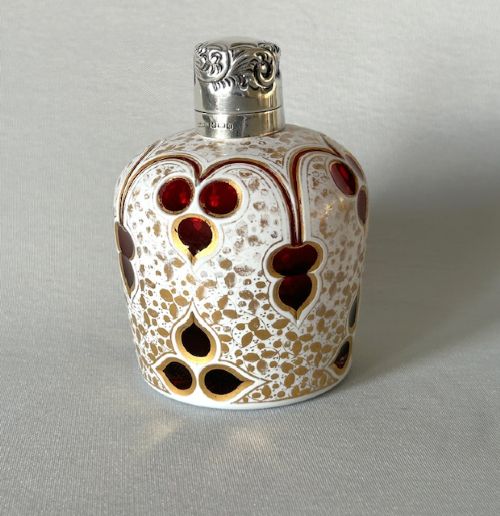
Bodies combine heavy cut glass, hobnail crystal, cranberry glass or satin glass with solid sterling silver or silver-plated lids and mounts.
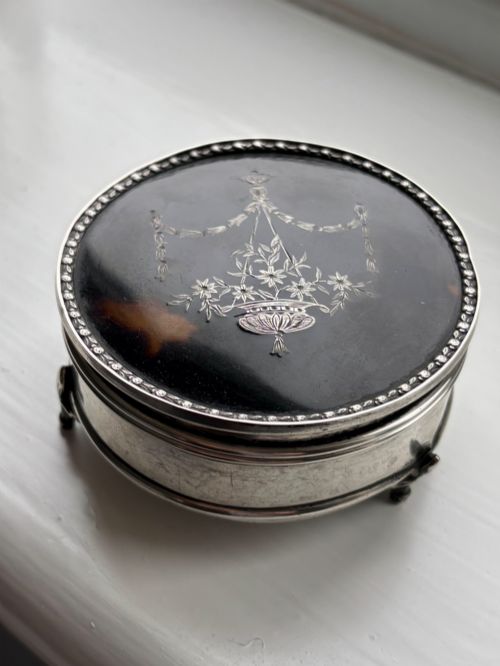
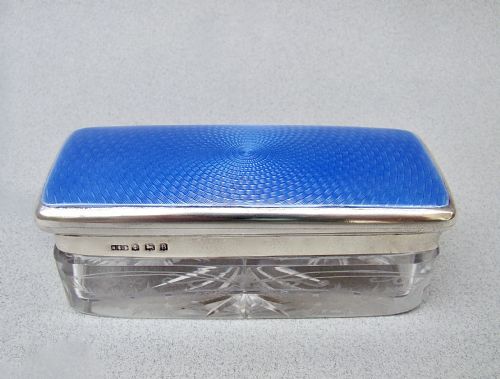
Crafting techniques involved hand-hammering, repousse decoration, guilloche enamel work and tortoiseshell inlay to ornament the metal surfaces.
Goldsmiths and silversmiths secured lids with precise hinges and collars, often pairing the glass containers with matching silver spoons or pique work.
Listings feature vessels constructed from cranberry glass, satin glass, and cut crystal paired with sterling silver and silver-plate.
Quality and Distinction
Superior pieces display crisp, deep chasing and repousse work on the silver lids alongside heavy, flawless cut crystal bodies without chips.
Maker attribution to notable firms and clear, legible town and date hallmarks provide historical assurance regarding the origin and grade of the metal.
Ollivant and Botsford·Charles Edwards·Henry Clifford Davis·Goldsmiths and Silversmiths Company·A. Bromet and Co·Thomas Hayes·Asprey and Co·Mappin and Webb·Hukin and Heath·Robert Pringle and Sons·R. Comyns·William Hutton and Sons·Coles and Fryer·Synyer and Beddoes·James Dixon and Sons·Levi and Salaman·Henry Matthews·Hasset and Harper
The Edwardian Silver Jar Glossary
- Hallmark
- The official stamp marked on precious metals indicating the standard of purity, assay office, and year of manufacture.
- Repousse
- A metalworking technique where the silversmith hammers the design from the reverse side to form a raised relief on the front.
- Guilloche
- An intricate decorative engraving technique producing precise, repetitive patterns beneath a translucent layer of enamel.
- Pique work
- The delicate insertion of tiny gold or silver pins into tortoiseshell or ivory to create geometric or floral motifs.
- Hobnail cut
- A sharp, faceted diamond pattern cut into the surface of glassware, producing a textured texture that catches the light.
Edwardian Silver Jar: Frequently Asked Questions
What were edwardian silver jars used for?
These vessels served various domestic and personal functions, holding loose tea leaves, biscuits, preserves, or cosmetics upon dressing tables.
Owners kept them in reception rooms and bedrooms alike, utilising their lidded designs to protect perishable contents from dust and air.
How do I identify the date of a silver jar?
Examination of the stamped hallmarks on the silver mount provides the exact assay office and a specific date letter corresponding to the year of manufacture.
Stylistic cues such as Art Nouveau floral motifs or geometric Art Deco lines also indicate the decade in which the piece was produced.
How should I clean silver and glass jars?
Maintenance requires gentle washing of the glass body with warm soapy water while protecting any delicate enamel, tortoiseshell or glued mounts from prolonged soaking.
Polishing the silver components demands a soft cloth and a mild, non-abrasive silver cleaner applied carefully around the inset glass.
Are these jars safe for food use?
While tea caddies and preserve jars were originally designed to hold consumables, antique silver-plated and sterling vessels often contain trace elements or historical solder.
Most modern collectors prefer to display these items as decorative objects rather than utilising them for daily food storage.