
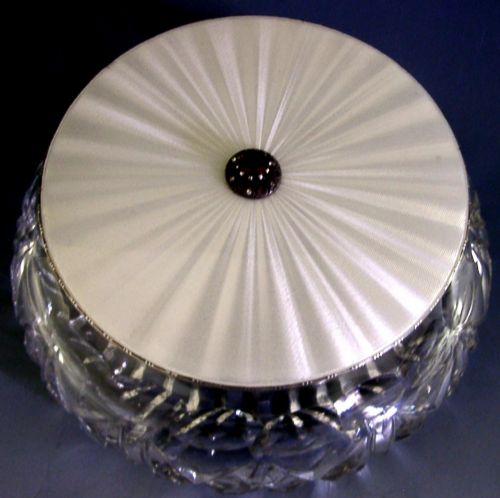


Silver Glass Powder Jar
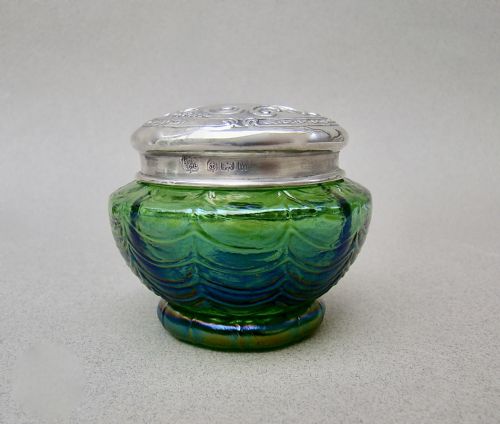
A silver glass powder jar combines precious metal with heavy crystal, providing a decorative receptacle for the dressing table.
Silver Glass Powder Jar
A silver glass powder jar is a dressing table accessory designed to hold cosmetics, featuring a fitted metal lid paired with a glass or crystal vessel. These pieces appear across multiple periods including the Victorian, Edwardian, and Art Deco eras, reflecting shifting tastes in interior ornamentation.
The most common examples on this page date from the early twentieth century, particularly the 1920s and 1930s, showcasing geometric forms or colourful enamel decoration. Buyers also encounter earlier nineteenth-century French and German designs alongside mid-century pieces.
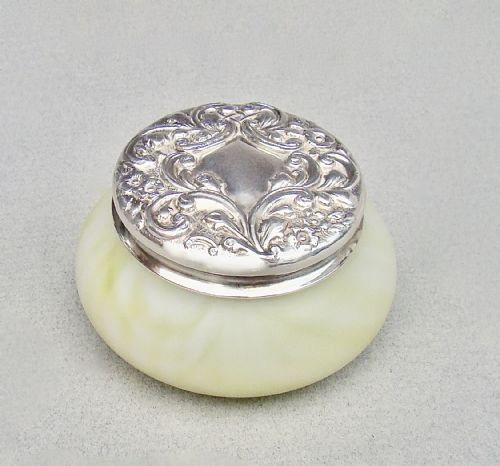
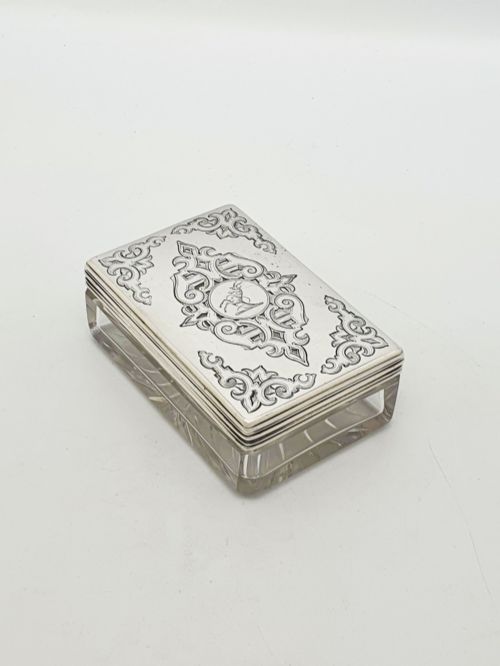
Form varies from small circular trinket boxes to large lidded bowls and heart-shaped crystal containers. Each variant served a specific function on the dressing table, storing powders, pins, or unguents.
Materials and construction methods
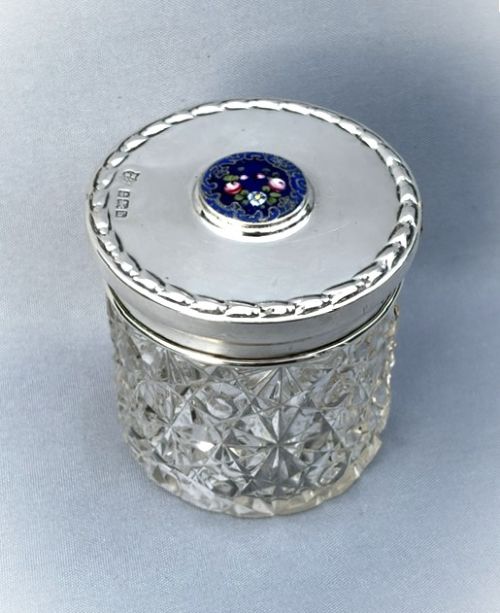
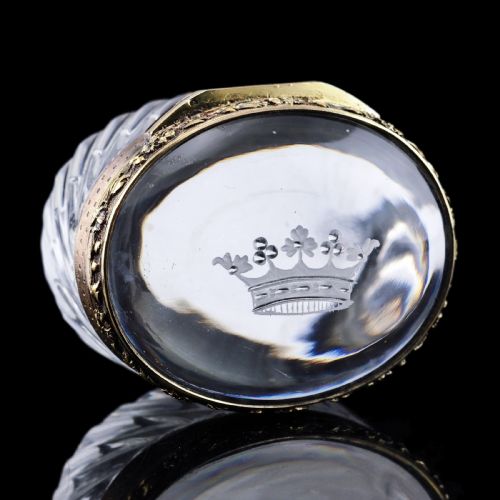
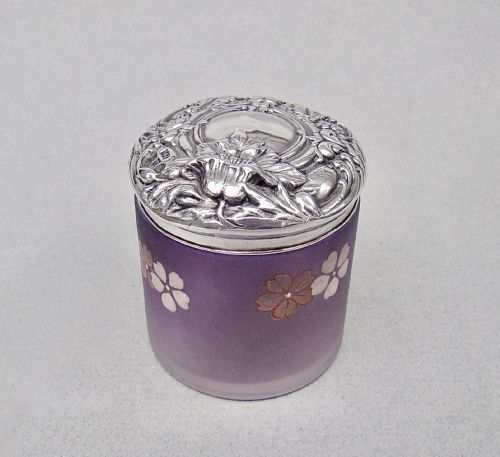
Vessels are formed from clear cut glass, cut crystal, satin glass, or coloured glass such as cranberry and amethyst, often featuring deep wheel-cut patterns or etched details. Metal mounts and lids are fashioned from sterling silver, sometimes with silver gilt, and secured to the glass body with hinged or slip-on fittings.
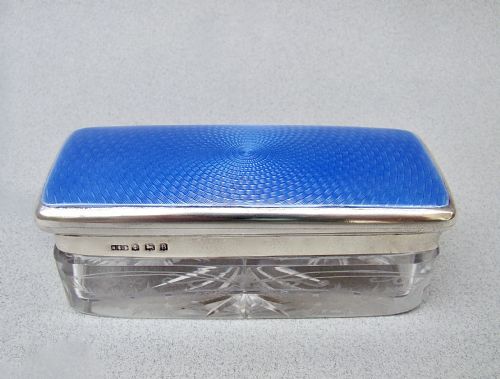
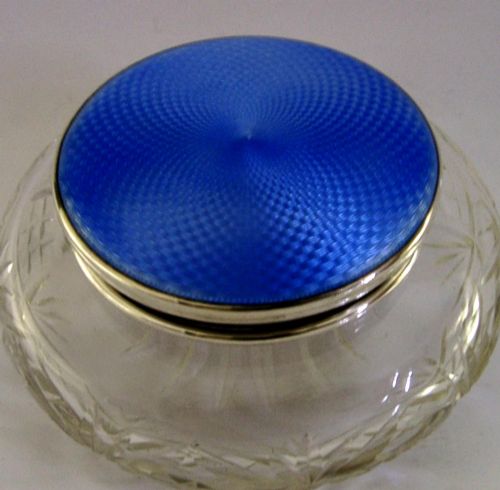
Surface decoration frequently incorporates guilloche enamel, translucent coloured enamel over machine-turned metal, or natural tortoiseshell inlaid into the silver lid. Silversmiths worked these components by hand, hallmarking the metal with assay office stamps indicating the year and city of manufacture.
Listings feature items spanning the Victorian era through to the mid-twentieth century, utilising sterling silver, cut crystal, and tortoiseshell.
Factors determining quality
Quality rests upon the weight and clarity of the glass vessel, where deep cutting and sharp faceting distinguish superior crystal from simpler pressed glass. The precision of the silver work, especially the thickness of the metal lid and the crispness of any engine-turning, elevates certain examples above others.
The presence and preservation of complex decoration, such as multi-coloured guilloche enamel or intricate tortoiseshell work, dictate the standing of the piece. Intact hinges, secure seating between lid and jar, and clear hallmarks complete the criteria for finer specimens.
A. J. Pepper & Co·Henry Clifford Davis·A. Bromet & Co·Adie Bros
The Silver Glass Powder Jar Glossary
- Guilloche enamel
- A decorative technique where metal is engine-turned with an intricate geometric pattern before translucent enamel is applied over the top. This allows the engraved design to show through in coloured light.
- Sterling silver
- An alloy of silver containing 92.5 percent pure silver and 7.5 percent other metals, usually copper, to increase durability. British pieces bear the lion passant hallmark to indicate this standard.
- Satin glass
- Glass treated with hydrofluoric acid to produce a velvety, matte surface finish resembling satin. It gained popularity during the late nineteenth and early twentieth centuries.
- Silver gilt
- Sterling silver that has been coated with a thin layer of gold on its surface. This process gives the metal a warm golden appearance while maintaining a silver base.
- Engine-turned
- A mechanical method of engraving precise geometric patterns and lines onto metal surfaces using a specialised lathe. It was widely utilised on silver lids during the Art Deco period.
Silver Glass Powder Jar: Frequently Asked Questions
What were silver glass powder jars used for?
These jars sat upon dressing tables to hold loose face powder, dusting powders, or cosmetic creams. The heavy glass or crystal base contained the substance while the fitted silver lid kept the powder dry and contained.
Over time, owners also utilised them to store small personal items such as hairpins, rings, and trinkets. They formed part of matching dressing table sets alongside brushes and mirrors.
How do I date a silver glass powder jar?
Dating relies primarily on the hallmarks stamped into the silver lid or mount. British pieces feature symbols denoting the assay office, standard of silver, and a date letter corresponding to the exact year of manufacture.
Stylistic indicators also help determine the period, such as the flowing organic lines of Art Nouveau pieces or the geometric patterns typical of Art Deco designs.
How should I clean a silver glass powder jar?
The glass vessel can be washed gently in warm soapy water using a soft cloth. Care must be taken to avoid submerging tortoiseshell or certain types of enamel lids in water.
Silver components benefit from occasional polishing with a specialised silver cloth to remove tarnish, avoiding contact between polish and the glass or enamel surfaces.
What is guilloche enamel?
Guilloche is a decorative technique where the silver surface is mechanically engraved with repetitive circular or linear patterns. Translucent coloured enamel is then fired over the engraved metal.
The underlying pattern shines through the coloured glass layer, creating depth and a shimmering visual effect commonly found on Edwardian and Art Deco pieces.