
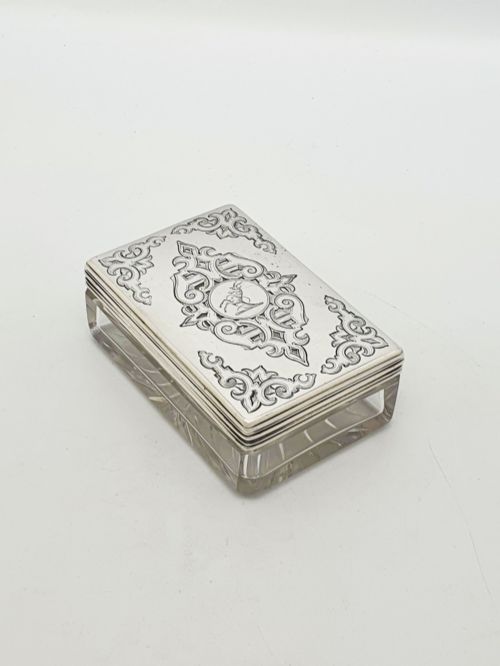
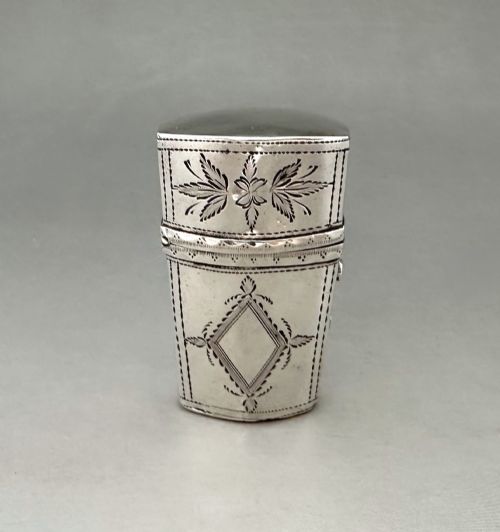


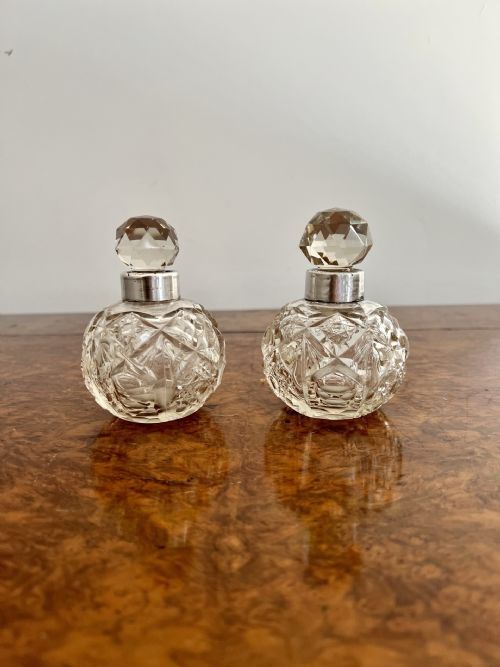


Antique Silver Toilet Bottle
When you handle an antique silver toilet bottle, you hold a tangible piece of personal grooming history crafted to grace the dressing table.
Antique Silver Toilet Bottle
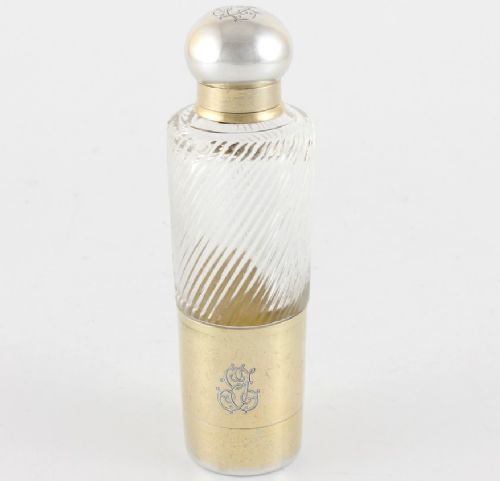
An antique silver toilet bottle encompasses a variety of dressing table accessories, including scent flasks, perfume globes, vanity jars, and fitted travelling cases. These items emerge across Victorian, Georgian, and Edwardian periods, reflecting the meticulous grooming rituals of past centuries.
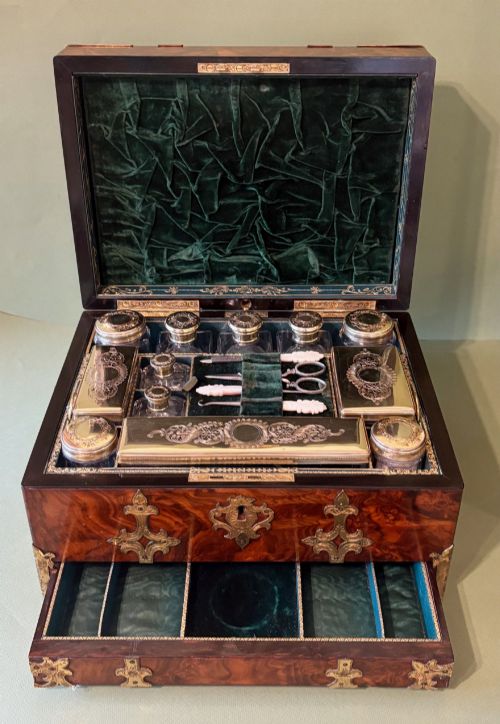
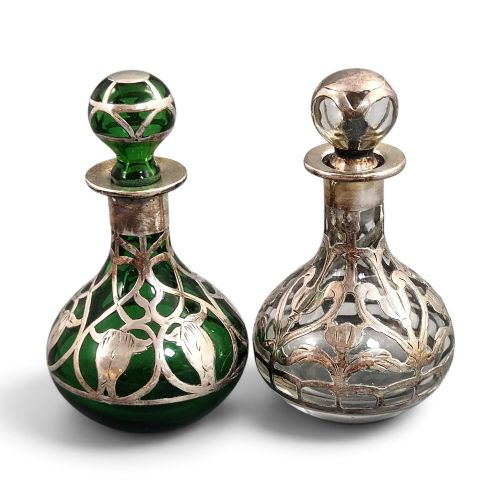
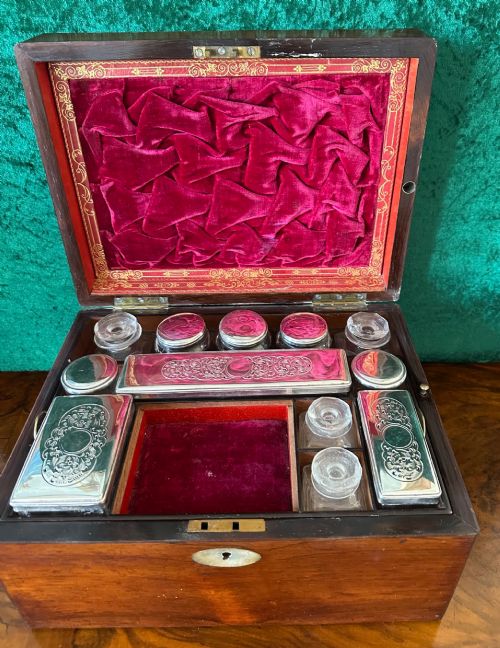
You are most likely to encounter cut glass or cut crystal vessels fitted with solid silver tops, collars, or ornate silver overlay. Many survive inside elaborate coromandel, kingwood, or velvet-lined dressing boxes alongside companion pieces like pill boxes and trinket jars.
Markers of Quality
Quality rests heavily on the depth and clarity of the glass cutting alongside the thickness and weight of the solid silver mounts. Finer examples display crisp, intricate hallmarks and well-fitted hinged lids that close with a secure, satisfying seal.
The distinction between standard containers and exceptional pieces often lies in the housing itself, such as a fully fitted coromandel travelling case containing matching crystal bottles with original silver gilt interiors.
Some travel sets hide tiny secret pill compartments beneath the main perfume bottles, ready for unexpected headaches after long carriage rides.
Gorham·Tonnel Paris·Jonathan Douglas·Asprey·Goldsmith's and Silversmith's Co.
The Antique Silver Toilet Bottle Glossary
- Sterling silver
- A silver alloy containing 92.5 percent pure silver by mass and 7.5 percent other metals, usually copper. This standard composition provides the durability required for intricate repoussé and chased bottle mounts.
- Cut glass
- Glass decorated by grinding facets or patterns into the surface using a rotating wheel. On toilet bottles, deep cutting creates brilliant light refractions.
- Guilloche enamel
- A decorative technique where a precise, intricate pattern is mechanically engraved beneath a translucent layer of enamel. This adorns the lids of select vanity jars.
- Coromandel wood
- A dense, heavily variegated dark timber from Asia used to construct luxury Victorian dressing and vanity cases. It provides a robust and striking housing for delicate glass bottles.
- Silver overlay
- A technique where thin sheets of sterling silver are applied directly onto the exterior of a glass bottle in decorative motifs. Art Nouveau pieces frequently utilise this method.
Antique Silver Toilet Bottle: Frequently Asked Questions
How were antique silver toilet bottles used?
These vessels held perfumes, colognes, salts, and cosmetics on dressing tables or within travel luggage. They kept volatile liquids secure during transit.
Ladies and gentlemen relied on them for daily grooming routines, often housing them in fitted dressing boxes complete with velvet linings.
Are the glass bottles and silver tops original to each other?
Most surviving examples feature matching hallmarks on the silver mounts and collars that correspond directly to the production period of the glass. Master silversmiths custom-built the metal fittings to exact measurements.
Inspect the collar and lid for matching date letters and maker marks to confirm original pairing.
How do I date an antique toilet bottle?
Dating relies heavily on the silver hallmarks stamped onto the mounts, collars, or lids, which indicate the assay office and year of testing. Stylistic clues like Art Nouveau curves or Georgian crests also narrow the timeframe.
The cut of the glass and the presence of specialised materials like coromandel wood further point toward specific decades.
How do I clean antique silver and glass?
Clean the glass body using warm soapy water and a soft brush to clear away dust from the deep cuts. Keep moisture away from any interior paper linings or glued components.
Polish the sterling silver mounts gently with a dedicated microfibre cloth, taking care to avoid abrasive pastes near the glass edges.