
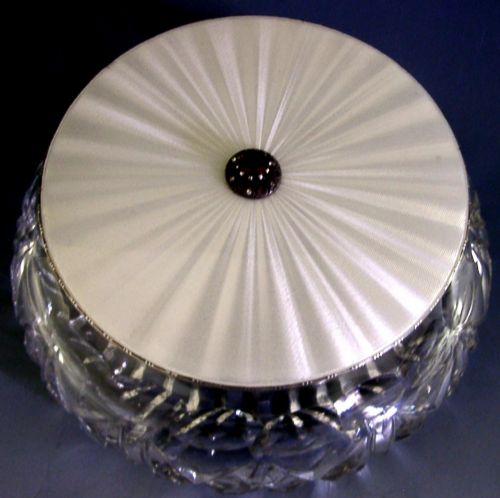


Sterling Silver Vanity Jar
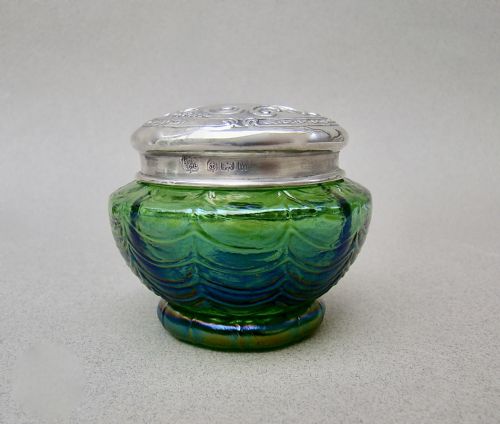
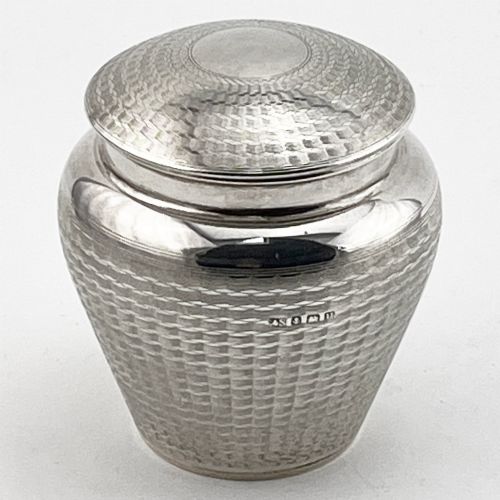
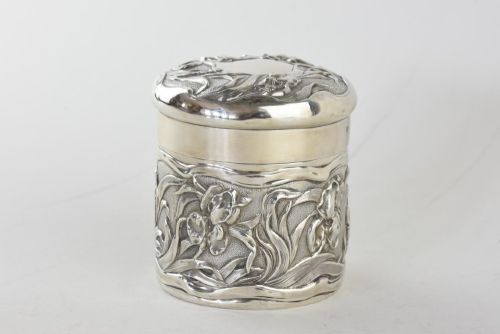
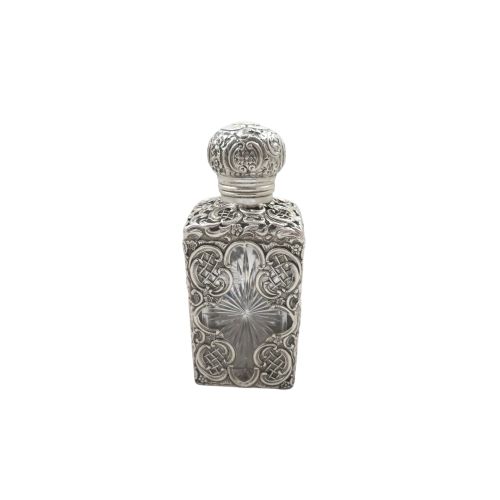
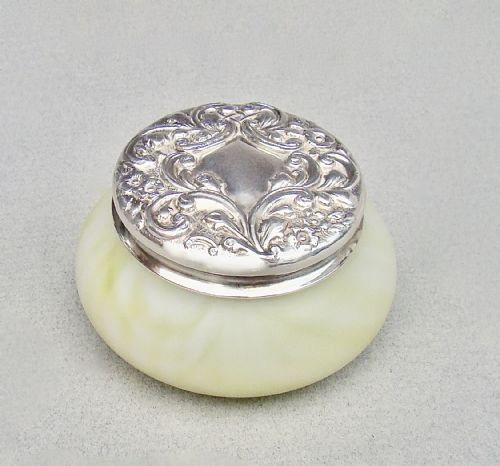
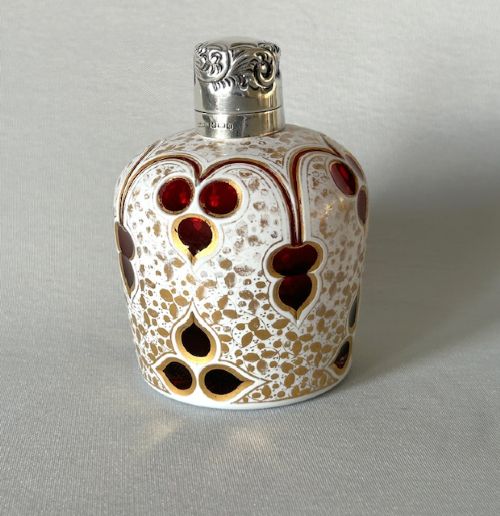
A sterling silver vanity jar brings dressing table elegance into daily routines through solid silver lids paired with cut glass bases.
What a sterling silver vanity jar is
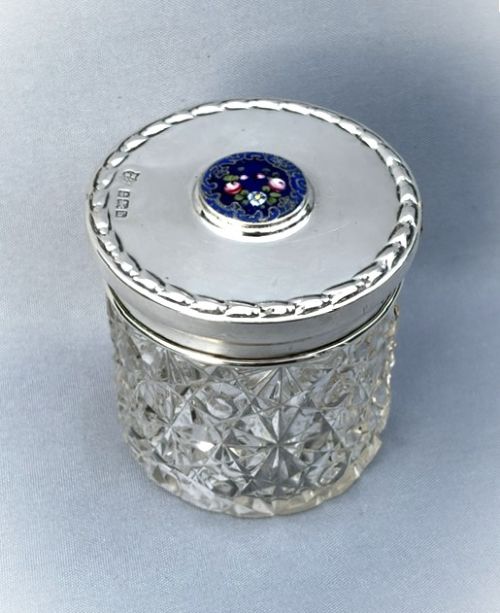
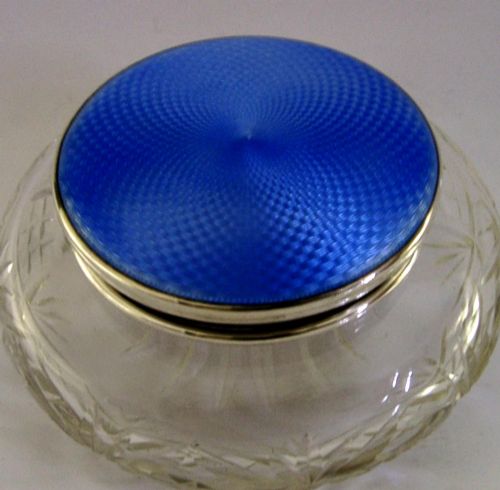
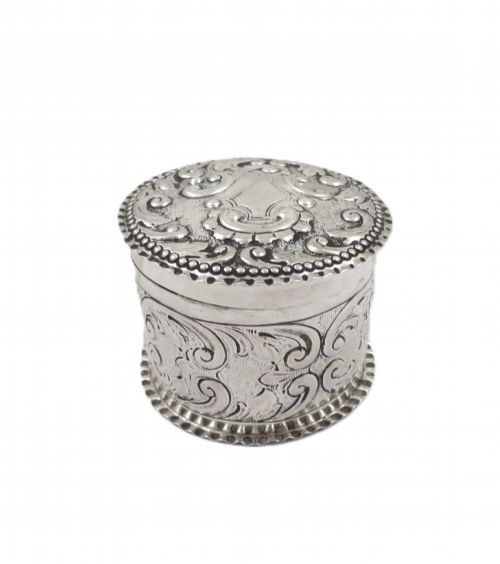
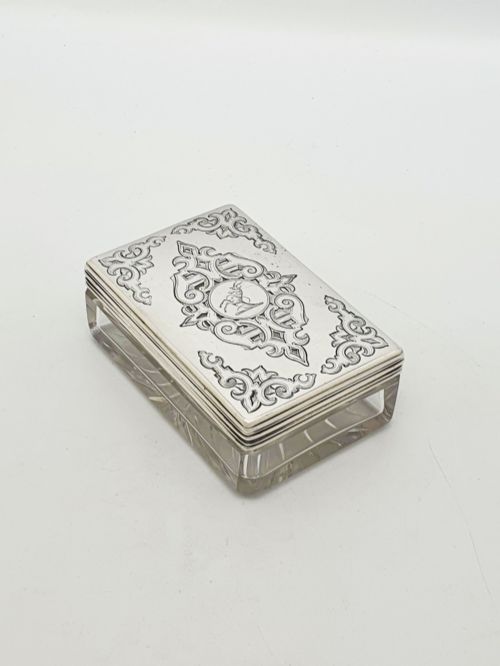
A sterling silver vanity jar combines a heavy glass or crystal base with a fitted metal lid, serving as a functional container for powders, creams, and dressing table accessories.
Most examples found here date from the Edwardian period through to the Art Deco era, displaying the characteristic geometric lines of the 1930s or the softer decorative motifs of earlier decades.
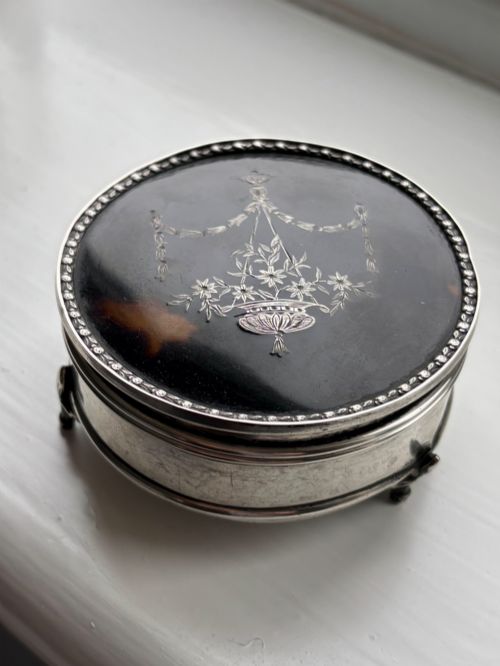
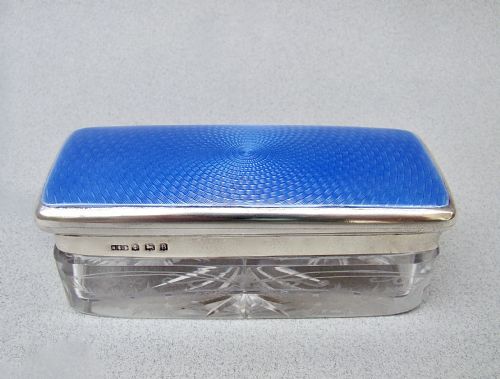
Forms range from compact round pots to rectangular and oval boxes designed to sit neatly upon a dressing table or vanity surface.
How they were made
Bases are formed from heavy cut glass, cut crystal, or moulded glass, often featuring deep facets or star-cut patterns underneath to catch the light.
Lids utilise solid sterling silver, frequently enhanced with translucent enamel, guilloche patterns, or inlaid tortoiseshell applied to the upper surface.
Materials span sterling silver, cut crystal, glass, enamel, and tortoiseshell across Edwardian and Art Deco styles.
What varies in quality
Quality rests in the weight of the silver lid and the depth of the glass cutting on the base, where thicker materials create a more substantial feel in the hand.
The refinement of decorative elements, such as hand-applied enamel or detailed tortoiseshell work, separates standard production pieces from finer examples.
Alexander Clark Company·Asprey and Company·Mappin and Webb·Walker and Hall
The Sterling Silver Vanity Jar Glossary
- Sterling silver
- A silver alloy containing 925 parts of pure silver per thousand, standard for British decorative objects and marked with hallmarks.
- Guilloche
- A decorative mechanical technique producing precise, intricate geometric patterns beneath a translucent layer of enamel.
- Cut crystal
- Glass with a high lead content that allows deeper, sharper faceting and greater brilliance than standard soda-lime glass.
- Hair tidy
- A specialised container with a small aperture in the lid designed for collecting loose hairs from brushes.
- Hallmark
- A stamped official mark indicating the metal standard, assay office, and year of manufacture.
Frequently Asked Questions
How were vanity jars used?
These jars held creams, powders, and pins on a dressing table. They kept cosmetics clean while adding a decorative touch to the room.
Their heavy lids protected contents from dust and moisture in the bedroom environment.
How do I clean the silver?
Use a soft microfibre cloth and a gentle, non-abrasive silver polish to maintain the shine. Avoid getting polish into glass crevices or onto enamel panels.
Wash glass bases in warm soapy water and dry thoroughly before replacing the lid.
What periods are most common?
Edwardian and 1930s Art Deco pieces appear most frequently. Earlier Victorian examples with embossed cherub motifs also occur.
Stylistic shifts move from floral Edwardian designs to the clean geometric lines of the interwar period.
Are liners original?
Some vanity jars feature inner glass liners designed to protect the outer body from corrosive substances. These liners lift out for cleaning.
Original liners match the dimensions and glass tint of the main body.