






Cut Glass Trinket Box
A cut glass trinket box brings together heavy brilliant crystal and precious metal mounts to hold small treasures on a dressing table.
Cut Glass Trinket Box
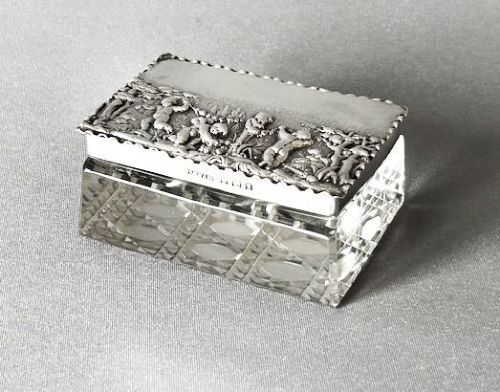
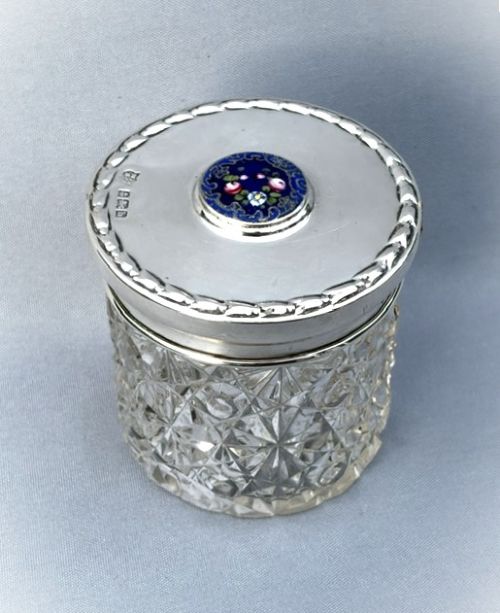
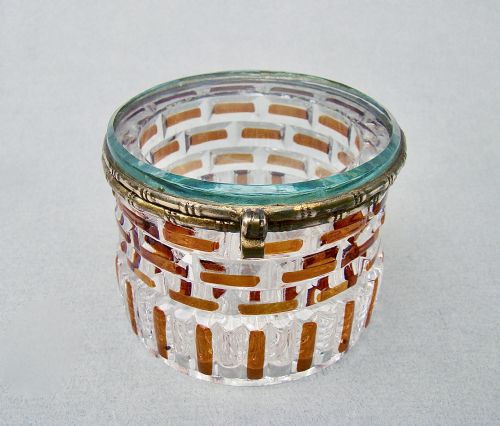
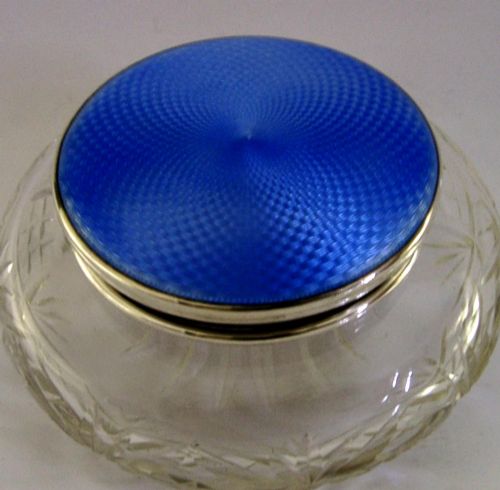
A cut glass trinket box sits neatly on a dressing table or vanity, designed originally to hold small jewellery, hairpins or cosmetics. The pieces seen here span the Victorian, Edwardian and Art Deco periods, alongside French nineteenth-century examples.
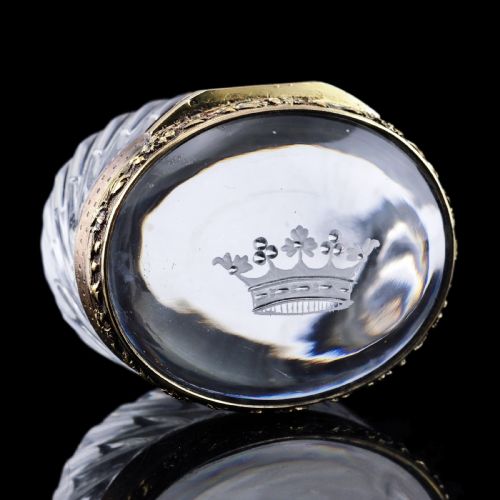
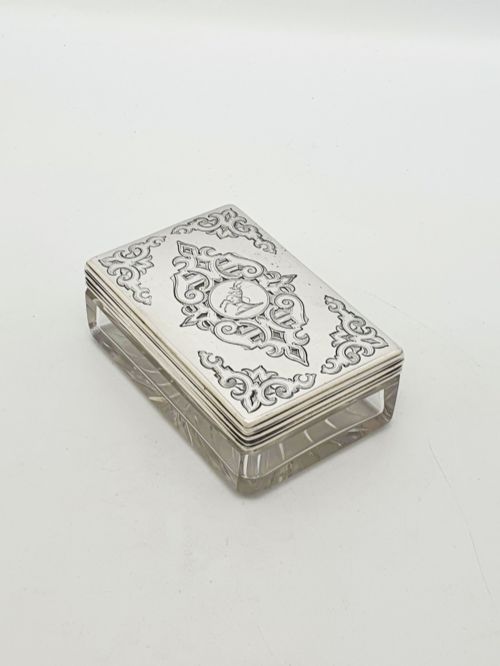
The version most commonly encountered pairs a heavy, wheel-cut crystal body with a fitted sterling silver lid, though French pieces often utilise gilt bronze or ormolu mounts instead.
Forms range from simple round jars and heart-shaped containers to substantial rectangular caskets, reflecting the changing tastes of dressing table accessories from the nineteenth century into the mid-twentieth century.
Assessing Quality and Execution
Quality rests heavily on the depth and crispness of the glass cutting, where sharper facets and heavier crystal indicate superior manufacture.
The weight and gauge of the silver or bronze mountings dictate the substance of the piece, as thicker metal frames hold hinges securely and resist distortion over decades of use.
Cut Glass Trinket Box Retail Price Guide 2026
Typical asking prices for cut glass trinket box among the pieces listed under this phrase on Sellingantiques today, from the lower quarter to the upper quarter. They describe what is for sale here now, not the wider market.
Certain Edwardian heart-shaped boxes were specifically gifted as tokens of affection, often concealing small velvet linings designed to hold a single cherished ring.
Henry Clifford Davis·Posen of Frankfurt and Berlin·Karl Palda·Henry Matthews
The Cut Glass Trinket Box Glossary
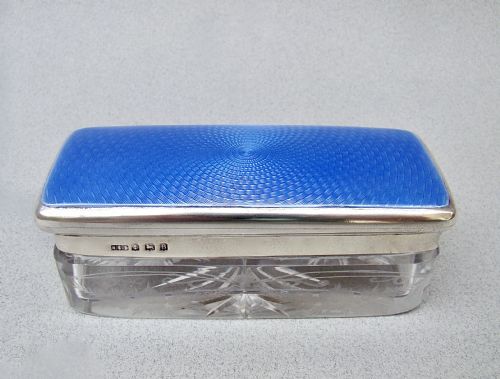
- Guilloché enamel
- Enamel work laid over an engine-turned metal ground that shows a repeating geometric pattern beneath the translucent colour.
- Hobnail cut
- A sharp prismatic glass-cutting pattern of raised pyramids that creates a highly tactile and light-reflecting surface.
- Ormolu
- Finely ground gold cast and amalgamated onto a bronze object, frequently seen on French nineteenth-century caskets.
- Sterling silver
- An alloy consisting of silver and other metals, standard for British dressing table mounts and marked with specific assay symbols.
Cut Glass Trinket Box: Frequently Asked Questions
What were cut glass trinket boxes used for?
These boxes served a practical purpose on dressing tables and vanity sets, holding rings, brooches, pins and small personal items.
Over time, they evolved into decorative display objects that reflected the owner's taste and wealth through precious metal and crystal.
How do I date a silver mounted box?
British pieces typically rely on standard assay office hallmarks stamped into the silver, providing the exact year letter and town mark.
French and continental boxes require an examination of the metal mounts, hinges and style of the bronze or glass work to determine the period.
Are French boxes different from British ones?
French examples from the nineteenth century frequently utilise heavy gilt bronze, ormolu or Baccarat crystal with ornate frames and cast decorative feet.
British counterparts from the Edwardian and Art Deco eras more commonly pair wheel-cut crystal with sterling silver lids and occasional enamel work.
How should I clean the glass and silver?
Crystal bodies can be washed gently in warm soapy water, avoiding harsh abrasives that might scratch the polished surface.
Silver and gilt mounts require careful cleaning with a soft cloth to preserve hallmarks and delicate enamel or tortoiseshell panels.