

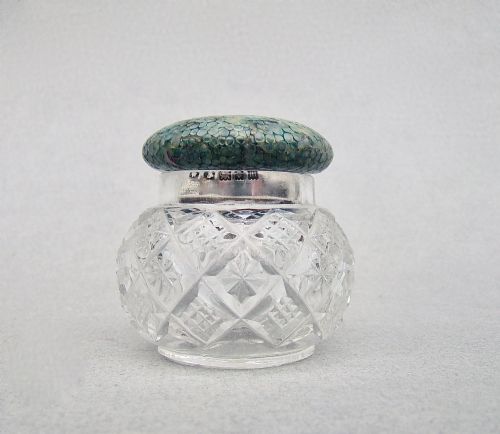
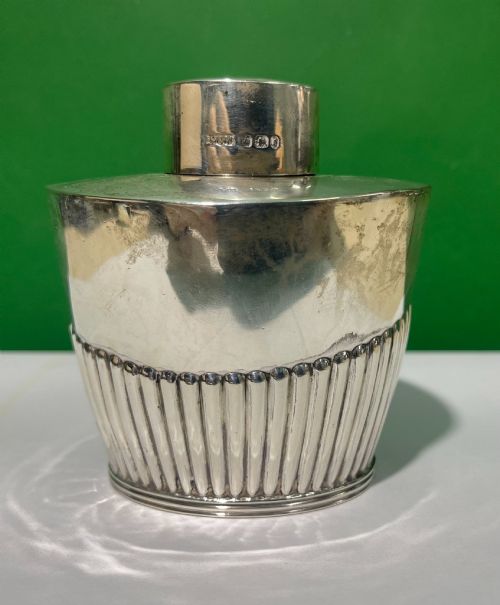




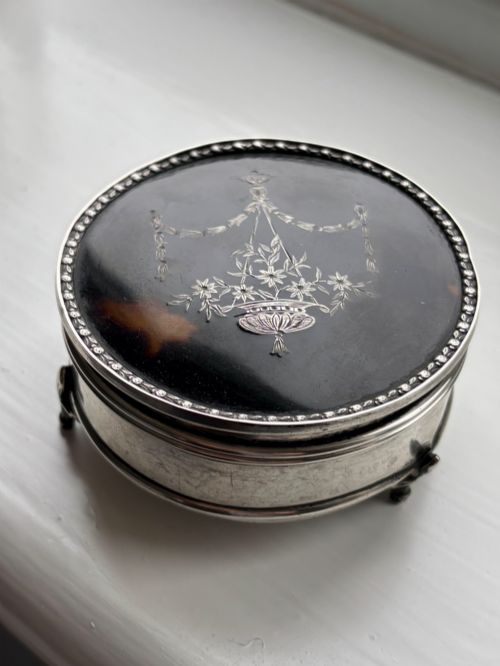


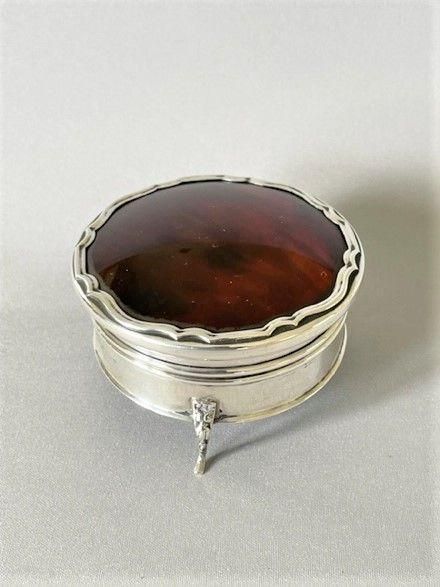

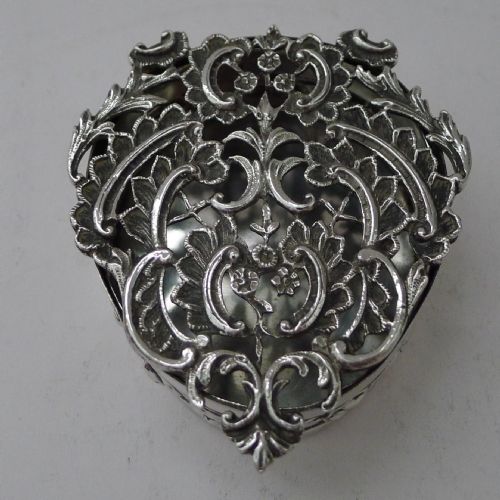
Antique Silver Dressing Pot
An antique silver dressing pot brings the elegance of the vanity table into modern rooms through craftsmanship in sterling silver and glass.
Antique Silver Dressing Pot
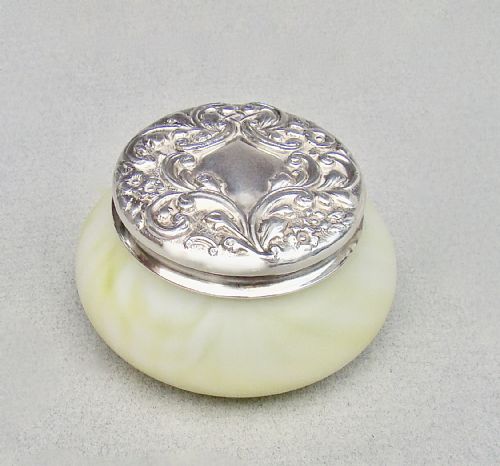
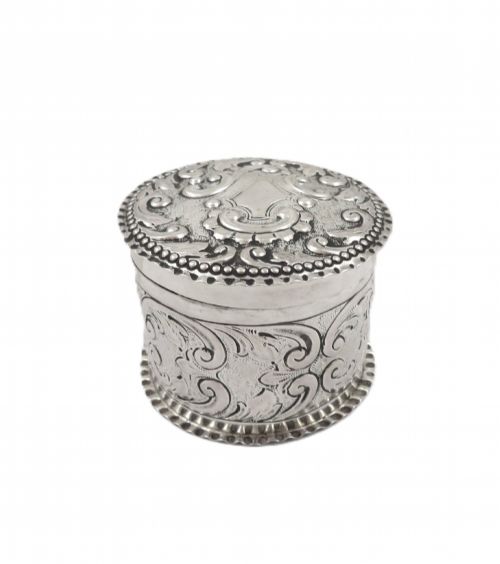
When you search for an antique silver dressing pot, you discover a vanity accessory designed to hold powders, pins, and cosmetics on a bedroom table. These pieces take the form of lidded jars, boxes, and bowls fashioned from glass or crystal paired with hallmarked metal covers.
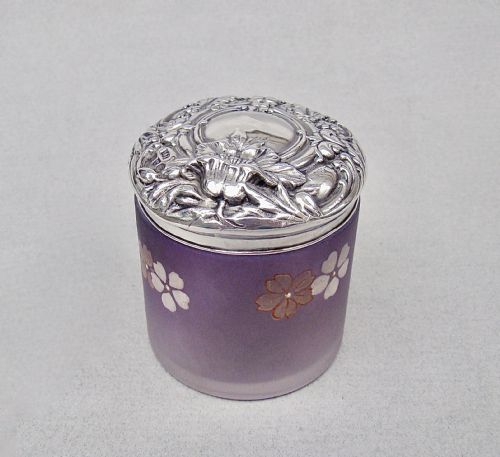
The examples gathered here span from the nineteenth century through the Edwardian era and into the Art Deco period of the 1920s and 1930s. You will frequently encounter glass bases matched with silver lids produced by provincial and metropolitan silversmiths across England.
Distinctions in Execution
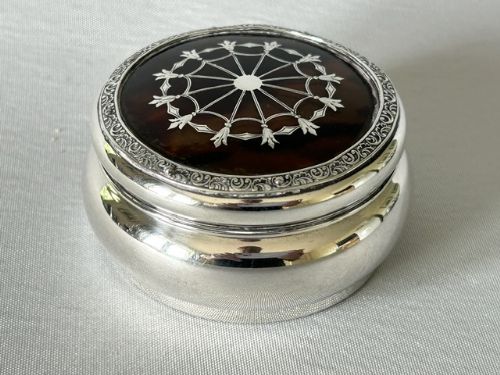
The distinction between standard vanity items and exceptional pieces rests in the weight of the silver and the crispness of the chasing. Thicker metal mounts, distinct hallmarks, and complex decorative elements such as multi-coloured enamel or delicate pique work elevate the standing of a jar.
The quality of the glass container also dictates value, where heavy cut crystal with sharp facets or specialist glass types like Kralik and Clichy demonstrate superior manufacture. Complete sets and intact internal liners or well-preserved organic inlays further distinguish the better examples.
Antique Silver Dressing Pot Retail Price Guide 2026
Typical asking prices for silver dressing pot among the pieces listed under this phrase on Sellingantiques today, from the lower quarter to the upper quarter. They describe what is for sale here now, not the wider market.
Makers from Birmingham and London dominate the selection, alongside continental examples in glass and silver.
A. J. Pepper & Co·Ollivant & Botsford·Henry Clifford Davis·Goldsmiths and Silversmiths Company·A. Bromet & Co·Asprey & Co·William Comyns·Hasset & Harper·Nathan & Hayes·Jonathan Douglas·Henry Williamson Ltd·Henri Lapeyre
The Antique Silver Dressing Pot Glossary
- Guilloche enamel
- A decorative technique where a geometric pattern is engine-turned into metal before translucent enamel is applied over the top. This creates a shimmering, patterned depth beneath the coloured surface.
- Repousse
- A metalworking method where the silver is hammered from the reverse side to form raised relief designs on the front. This technique allows for organic floral and scrolling motifs on box lids.
- Pique work
- The art of inlaying tiny pins of gold or silver into tortoiseshell or ivory to form intricate patterns. It frequently appears on Edwardian vanity boxes.
- Pot pourri box
- A specialised lidded container pierced with holes in the top to allow scented dried petals to fragrance a room. These sit alongside standard solid-lidded jars on dressing tables.
Antique Silver Dressing Pot: Frequently Asked Questions
What were antique dressing pots used for?
These vessels held powders, creams, pins, and toiletries on nineteenth and early twentieth-century dressing tables. They kept cosmetics clean while adding a decorative element to the bedroom.
Their varied sizes accommodated everything from heavy soaps to delicate smelling salts and face powder.
How do I clean silver vanity lids?
Clean silver components gently using a soft cloth and dedicated silver polish, taking care to avoid contact with glass, enamel, or tortoiseshell inserts. Enamel and tortoiseshell require only a soft, dry cloth to remove dust.
Harsh chemical dips can permanently ruin organic materials and damage coloured enamel surfaces.
How do I date an antique silver pot?
Dating relies primarily on the hallmarks stamped into the silver mounts, which indicate the assay office, standard of silver, and year letter. Makers' marks alongside these stamps reveal the silversmith and workshop.
Stylistic cues such as Art Deco geometric enamel or Edwardian repousse work also help assign a decade of manufacture.
Can I use these pots for modern cosmetics?
These glass jars function well for holding cotton wool balls, jewellery, or modern dry cosmetics on a contemporary bathroom shelf. Avoid storing wet or oily substances directly against older glass linings or historic silver solders.
Gentle daily use preserves the internal fittings and structural integrity of the piece.