


Edwardian Vanity Box
When you search for an edwardian vanity box, you find practical dressing table containers and fitted cases from the early twentieth century designed to hold small personal treasures.
Edwardian Vanity Box
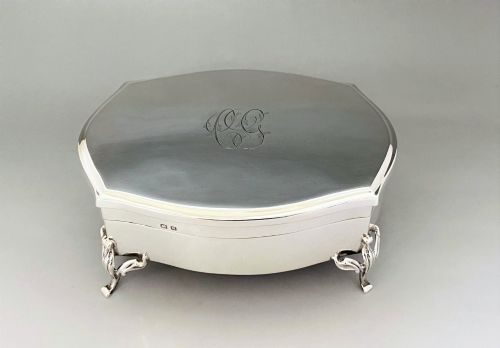
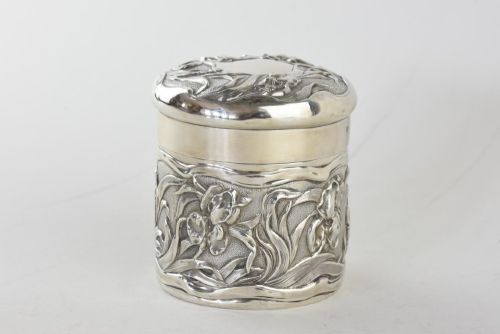
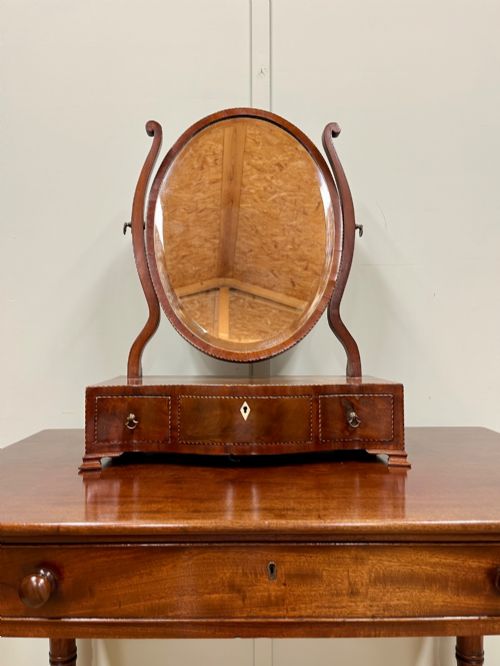
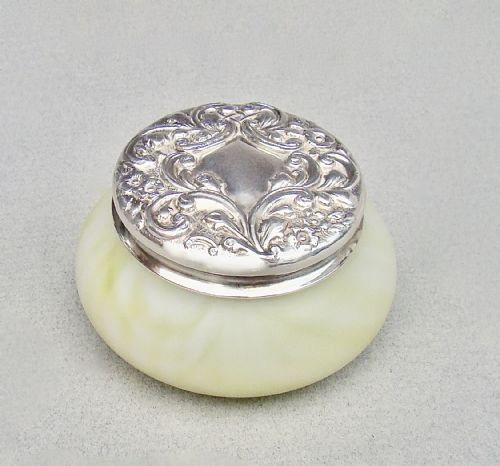
An edwardian vanity box encompasses a variety of dressing table accessories, from small sterling silver lidded jars to larger fitted wooden boxes lined for jewellery. The selection ranges across the Edwardian period itself into adjacent Victorian, Art Deco, and George V years, capturing the changing tastes of the dressing room.
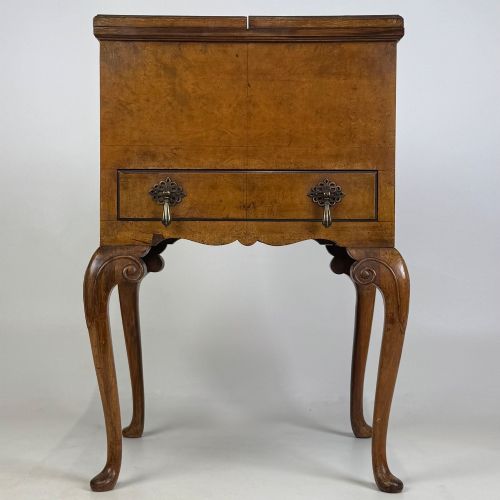
Most examples take the form of tabletop trinket containers, pill boxes, or powder compacts, though larger fitted wooden styles and dressing table furniture also appear. These items served a daily domestic purpose for holding cosmetics, hairpins, and trinkets before modern packaging existed.
How they were made
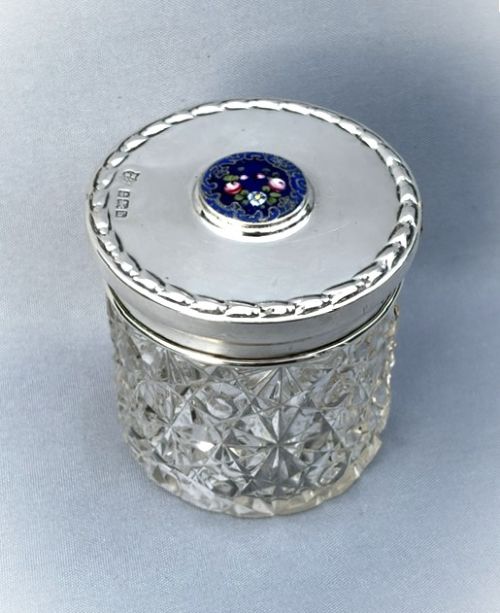
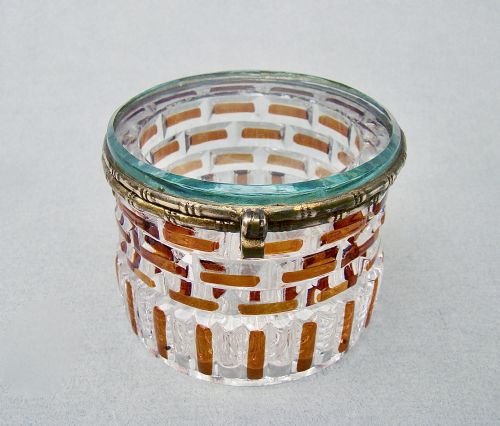
Makers utilised sterling silver, brass, and glass alongside woods like mahogany, satinwood, and burr walnut to construct these containers. Many pieces combine structural hardwoods or silver frames with delicate inserts of cut glass, satin glass, or tortoiseshell.
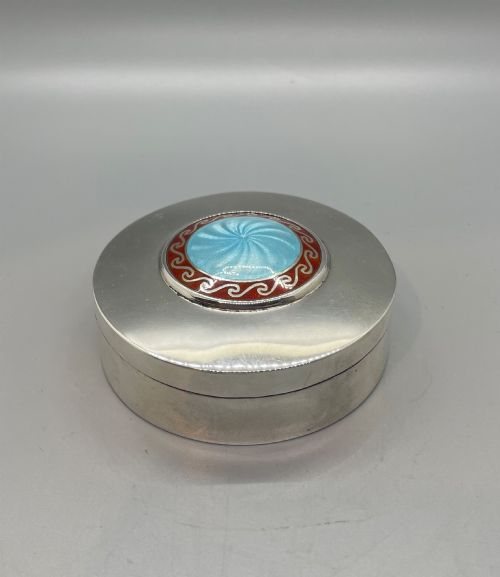
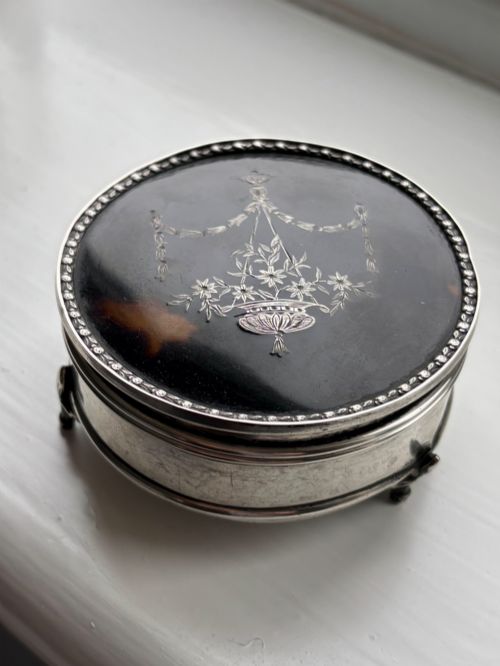
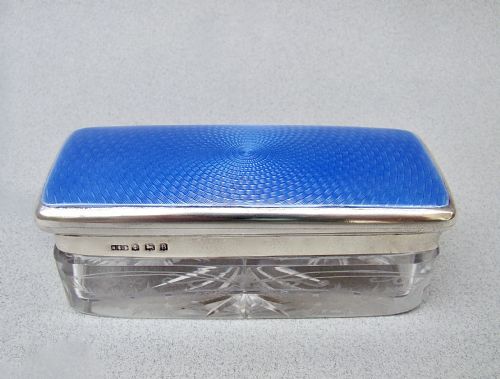
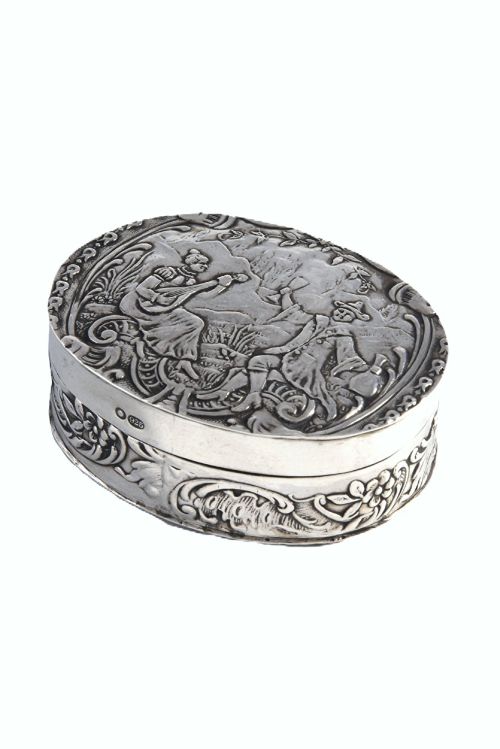
Surface decoration relies on traditional craftsmanship techniques such as guilloche enamel, repousse work, mother of pearl inlay, and pique work. These methods created tactile, decorative surfaces that suited the formal dressing habits of the period.
Listings feature sterling silver, tortoiseshell, and guilloche enamel alongside natural woods like mahogany, satinwood, and burr walnut.
What varies in quality
The standard of an edwardian vanity box depends heavily on the integration of its materials and the crispness of its metalwork. Pieces featuring complex hand-applied guilloche enamel, solid silver mounts, or precise tortoiseshell and pique work stand apart from simpler mass-produced items.
Internal fittings also indicate quality, with silk linings, fitted compartments, and maker marks from notable retailers providing evidence of superior original manufacture.
Ollivant and Botsford·Henry Clifford Davis·Goldsmiths and Silversmiths Company·A Bromet and Co·William Hutton·Henry Matthews·Mappin and Webb·Maple and Co
The Edwardian Vanity Box Glossary
- Guilloche enamel
- A decorative technique where a geometric pattern is engraved beneath a translucent layer of enamel paint. This creates a shimmering, patterned depth often seen on dressing table jars and compacts.
- Tortoiseshell
- The mottled brown shell of certain turtle species used for decorative panels on boxes and silver-mounted vanity sets. Faux tortoiseshell alternatives also appear in the period.
- Pique work
- The art of embedding tiny gold or silver pins into tortoiseshell or ivory to form delicate motifs. It requires exceptional precision and adorns the lids of fine vanity boxes.
- Repousse
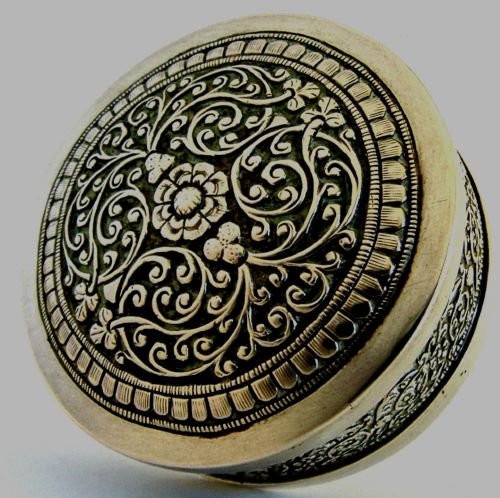
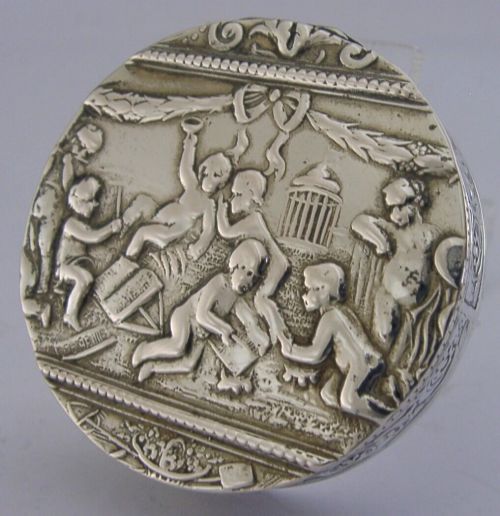
- A metalworking technique where the artisan hammers the design from the reverse side to form raised relief patterns. This method defines many Art Nouveau and Edwardian silver boxes.
- Satin glass
- Glass treated to have a velvety, matte finish resembling satin. It frequently forms the body of lidded trinket pots topped with sterling silver rims.
Edwardian Vanity Box: Frequently Asked Questions
What fits inside an edwardian vanity box?
These containers were originally built to store small grooming accessories, hairpins, rings, and loose cosmetics. Their compact interiors suit modern storage for daily jewellery or small keepsakes.
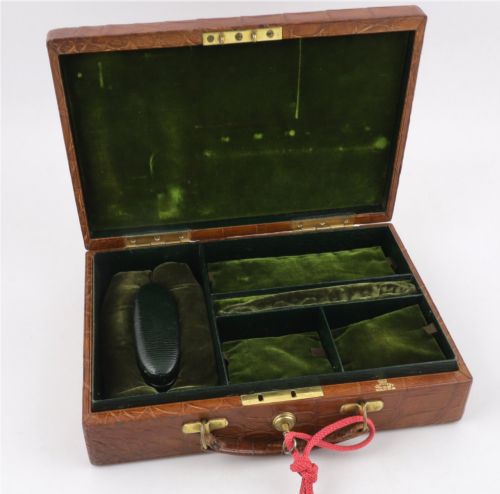
Larger fitted wooden examples offer compartmentalised trays designed specifically for brushes, jars, and vanity bottles.
How do I date an edwardian vanity box?
Silver components usually carry British hallmarks that indicate the exact year of assay and the city office. Stylistic clues such as Art Nouveau floral motifs or Art Deco geometric lines also help narrow the production era.
Maker marks stamped into the metal or printed on interior satin linings provide further historical context for dating the piece.
Were these boxes used for travel?
Some larger wooden styles feature fitted compartments and secure locks intended for travel use on steamships or trains. Smaller silver pots and glass jars remained stationary on dressing tables.
Leather-covered variants offered greater durability for transport during the early twentieth century.
How do I care for silver and enamel?
Sterling silver benefits from occasional gentle cleaning with a specialised soft cloth to maintain its finish without wearing down fine details. Enamel surfaces require careful handling away from harsh chemicals and moisture.
Store these pieces away from direct sunlight to protect vulnerable materials like tortoiseshell and glass from fading.