







Antique Silver Powder Bowl
These antique silver powder bowl pieces combine sterling silver mounts with glass or crystal vessels, offering a refined addition to any dressing table.
Antique Silver Powder Bowl
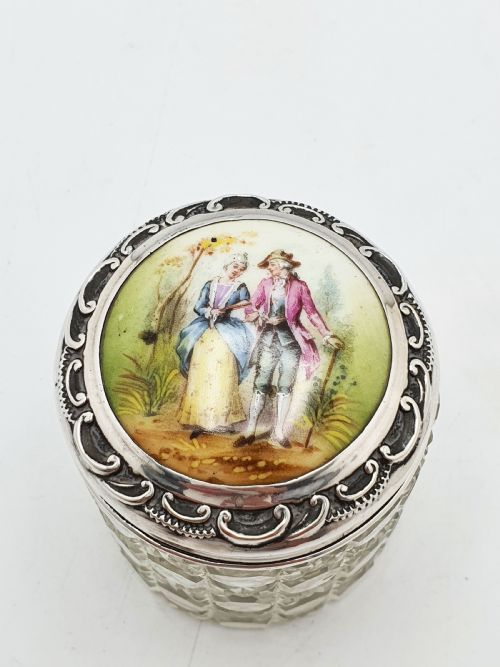
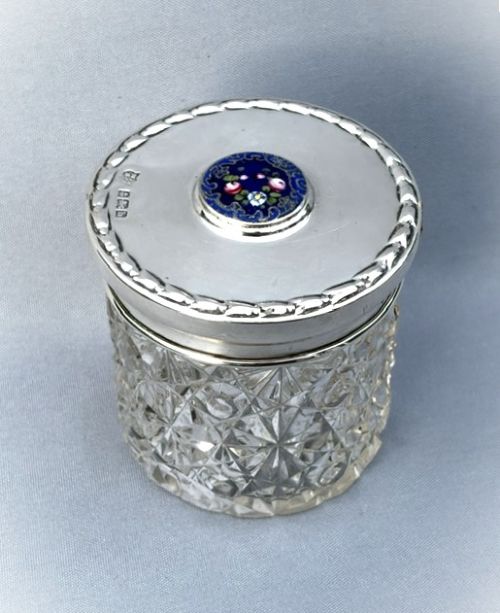
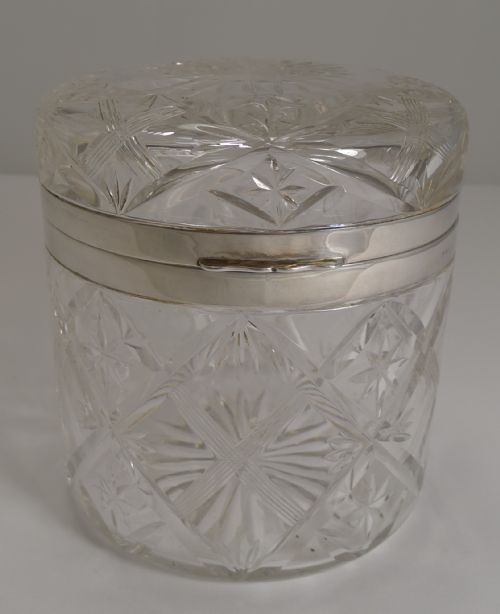
When you search for an antique silver powder bowl, you are looking at dressing table accessories, vanity jars, and lidded trinket boxes produced across the early twentieth century. The pieces combine a sterling silver or vermeil lid with a glass, cut crystal, or cranberry glass body.
You are most likely to meet Edwardian and Art Deco examples on this page, alongside pieces from the 1920s and 1930s. Forms range from compact trinket pots to larger lidded bowls designed for face powder and vanity use.
Origins span English provincial assay offices such as Birmingham and Edinburgh, alongside French workshops. The selection includes work by makers like Asprey and Company, Henry Williamson Ltd, and A E Jones.
How they were made
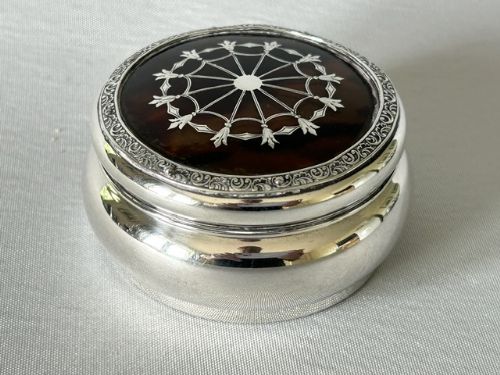
Silversmiths formed the lids from sterling silver or vermeil, often applying hallmarks to record the assay office and year. Many lids feature guilloche enamel, tortoiseshell, pique work, or set citrine stones.
Glass bodies were produced using cut crystal or moulded glass techniques, creating heavy faceted vessels designed to hold cosmetics. Lids were engineered to fit securely over the glass rims, protecting the contents within.
Antique Silver Powder Bowl Retail Price Guide 2026
Typical asking prices for silver powder bowl among the pieces listed under this phrase on Sellingantiques today, from the lower quarter to the upper quarter. They describe what is for sale here now, not the wider market.
The listings span the Edwardian era through the Art Deco period, incorporating sterling silver, tortoiseshell, enamel, and cut crystal.
What varies in quality
Quality rests on the weight and clarity of the cut crystal body, together with the crispness of the silver mounts. Thickly cast glass with deep facets separates heavier pieces from simpler moulded vessels.
The sophistication of the decoration dictates the tier of the piece. Intricate pique work on tortoiseshell, finely preserved enamel without chips, and clear hallmarks from known makers elevate the standing of an item.
Asprey and Co·Henry Williamson Ltd·A E Jones
The Antique Silver Powder Bowl Glossary
- Sterling silver
- An alloy of silver containing 92.5 percent pure silver and 7.5 percent other metals, typically copper. This standard is marked by the lion passant on British silver.
- Guilloche enamel
- A decorative technique where a precise, repetitive pattern is mechanically engraved into metal beneath a translucent enamel layer. This creates shimmering wave or sunburst effects on the lid.
- Pique work
- The art of inlaying tiny gold or silver pins into tortoiseshell or ivory to form delicate patterns. It appears frequently on Edwardian dressing table boxes.
- Vermeil
- Sterling silver plated with a thin layer of fine gold. The French vermeil pieces on this page display this warm, gilded finish.
- Assay office
- An official body that tests the purity of precious metal items and stamps them with hallmarks. Towns like Birmingham and Edinburgh operated prominent offices.
Antique Silver Powder Bowl: Frequently Asked Questions
How do I date my bowl?
Check the silver lid for hallmarks, which typically include a maker's mark, a standard mark, an assay office symbol, and a date letter.
Comparing these stamps against official assay records reveals the exact year and town of manufacture.
What were vanity jars used for?
These lidded vessels held loose face powder, cotton wool, hairpins, or small cosmetic items on a Victorian or Edwardian dressing table.
They kept powders dry and private while adding a decorative element to the room.
How do I identify Art Deco pieces?
Art Deco designs favour geometric patterns, clean lines, and vibrant enamel colours rather than floral motifs.
Pieces from the 1920s and 1930s often display bold contrasts between the silver mount and the glass body.