



Silver Smelling Salts Bottle
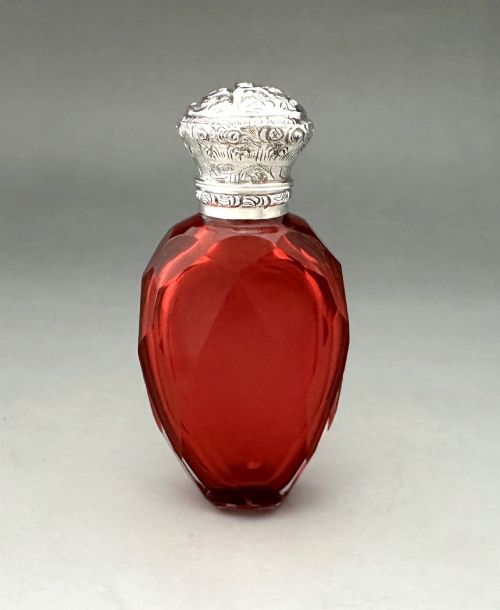
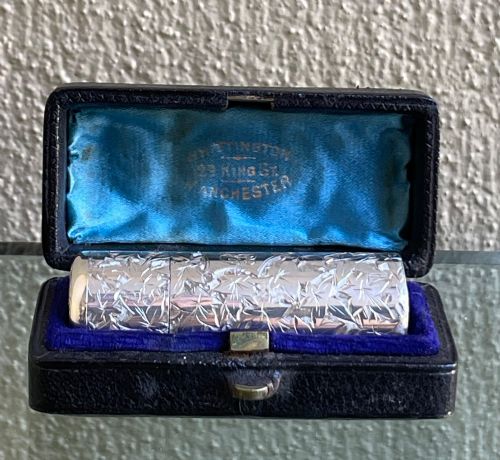
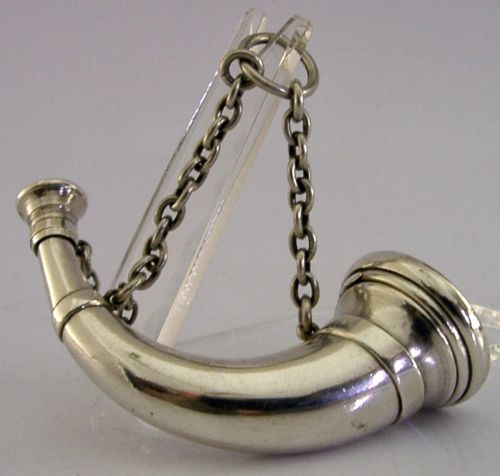
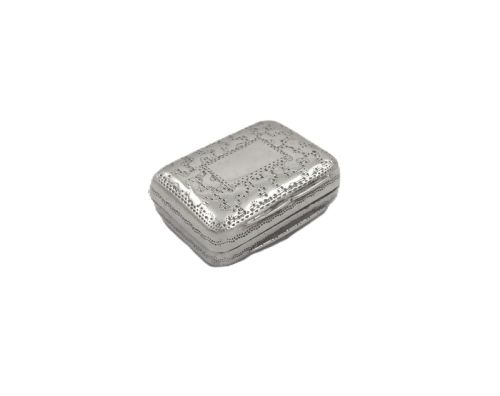
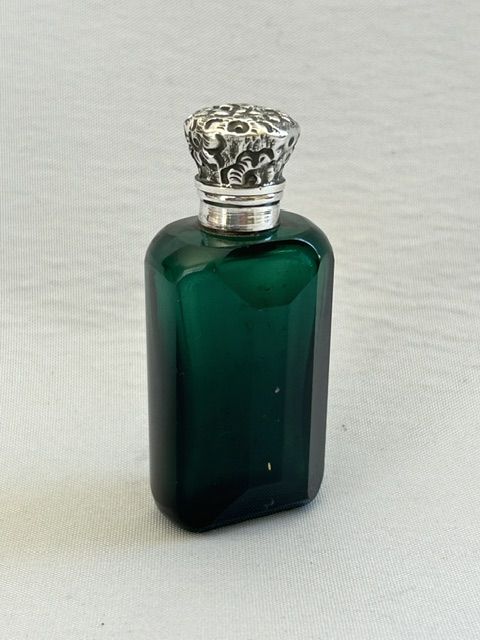
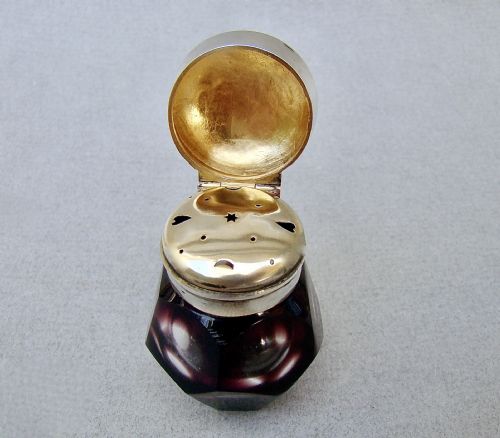
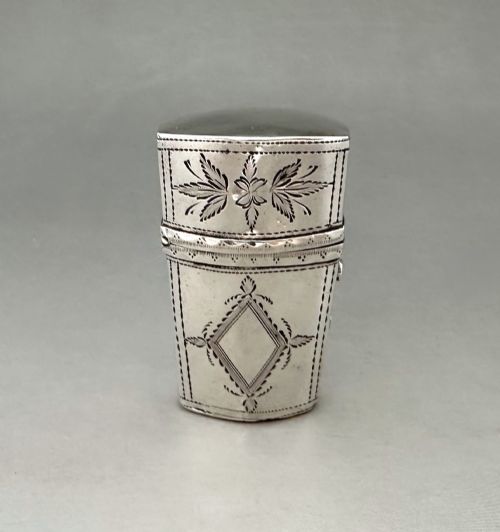
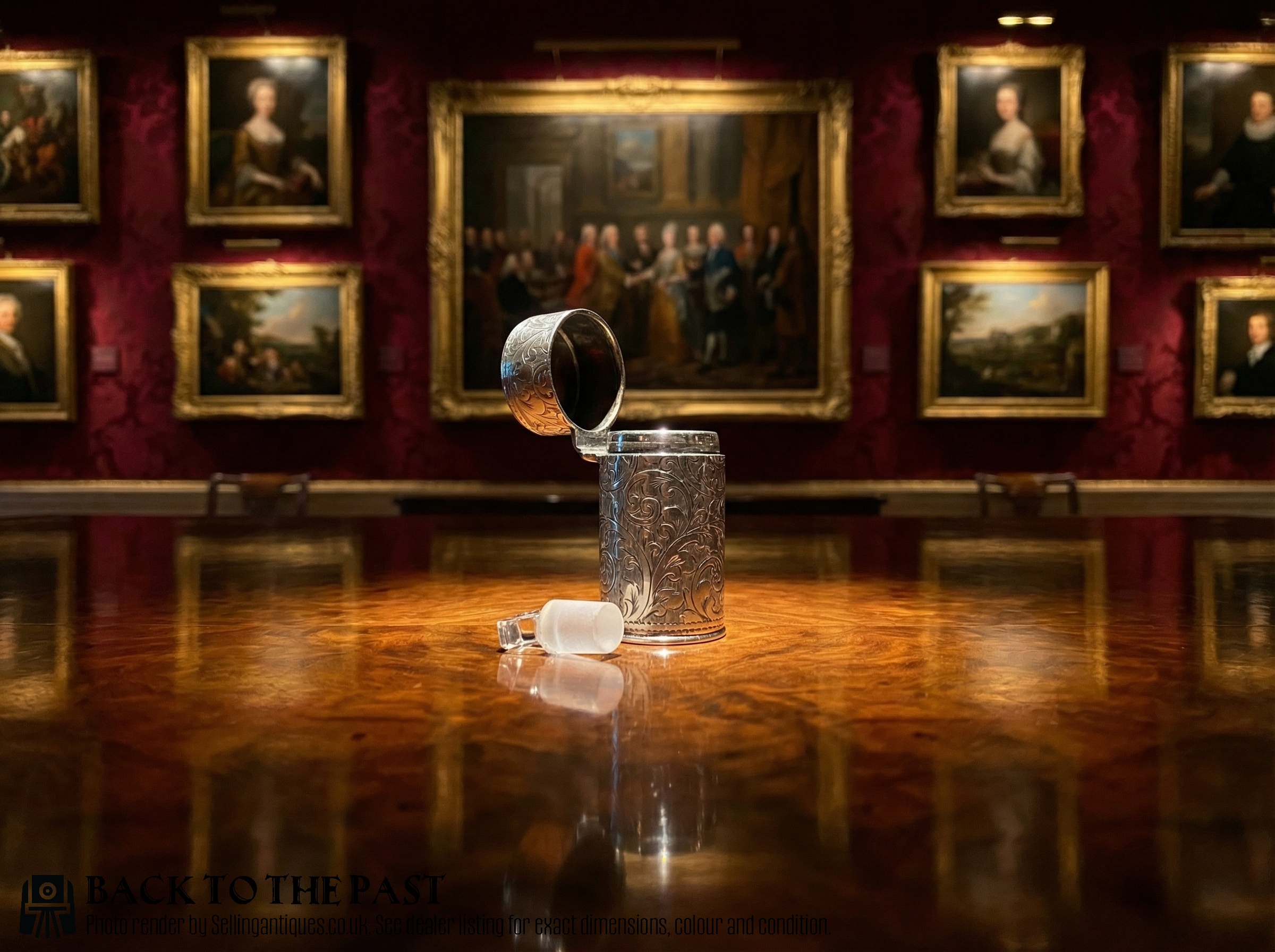
These silver smelling salts bottle examples are practical pocket vessels of sterling silver and cut glass designed to revive the senses.
What They Are
A silver smelling salts bottle is a small personal container designed to hold pungent salts used historically to counter fainting spells. These portable accessories appear in Georgian, Victorian, and Edwardian forms across the market.
The inventory on this page ranges from simple single chamber vessels to larger double ended perfume or scent bottle examples. Most pieces combine a precious metal casing with cut glass bodies intended for daily carriage.
How They Were Made
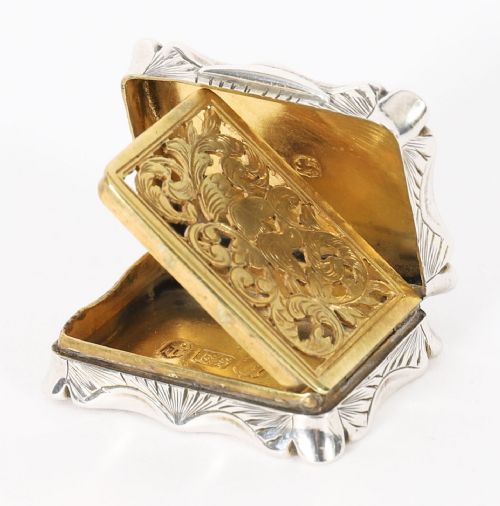
Silversmiths constructed the exterior housings from sterling silver, often incorporating hinged lids and screw caps to secure volatile contents. Glass components utilised heavy moulding and hobnail cutting techniques to add durability and visual texture.
Makers integrated precious metal elements with decorative stone accents such as turquoise cabochons and gilt finishes. Hallmarks stamped directly into the silver provide official confirmation of origin and date.
Retail Price Guide 2026
Typical UK retail prices for silver smelling salts bottle, calculated from the Sellingantiques database of over a million retail prices indexed since 2003. This retail price guide relies exclusively on Sellingantiques data; no external sources or auction records are used, so the figures do not describe the wider market.
Listings feature four distinct historical periods: Georgian, Victorian, Edwardian, and the nineteen twenties.
What Varies in Quality
Quality rests upon the crispness of the glass cutting and the structural integrity of the silver casing. Heavier gauge metal and precise hinges distinguish superior examples from standard production pieces.
The presence of crisp hallmarks and intact interior stoppers elevates an item within its period. Elaborate decorative treatments such as turquoise cabochons and silver gilt finishes also mark the upper tier of design.
G H James & Co
The Silver Smelling Salts Bottle Glossary
- Cabochon
- A polished gemstone cut with a convex dome rather than faceted surfaces. This smooth treatment frequently appears on nineteenth century lids.
- Double ended
- A design featuring functional compartments at both extremities, typically serving perfume on one side and salts on the other. These dual vessels required careful balancing of caps.
- Hobnail cut
- A sharp geometric glass cutting pattern resembling the hobnails on sturdy boots. This texture enhanced grip and caught the light.
- Hallmark
- An official stamp struck into precious metals to indicate purity, maker, and assay office. These marks decode the provenance of silver items.
- Sterling silver
- An alloy consisting of pure silver and other metals to increase durability while maintaining brilliance. This material forms the primary housing for these bottles.
Frequently Asked Questions
What are silver smelling salts bottles?
These items are small personal containers fashioned from sterling silver and glass to hold aromatic salts. Ladies carried them in pockets or reticules during the Georgian, Victorian, and Edwardian eras.
They served both a medicinal purpose for reviving someone from a faint and a decorative social function. The inclusion of glass bodies allowed owners to view the contents.
How do I date these bottles?
Dating relies heavily on the silver hallmarks stamped onto the metal casing, which indicate the specific year of assay. Stylistic details like hobnail cut glass or turquoise cabochons also point to Victorian or Edwardian periods.
Comparing the form against known Georgian or later examples helps narrow the decade of manufacture.
Can I still use them today?
Many surviving examples remain structurally sound and capable of holding modern scented salts or oils. Careful handling of the historical glass and hinges preserves their condition during use.
Collectors often prefer to display them as vanity objects or store them safely in cabinets rather than carrying them daily.