




Gilt Porcelain Trinket Box
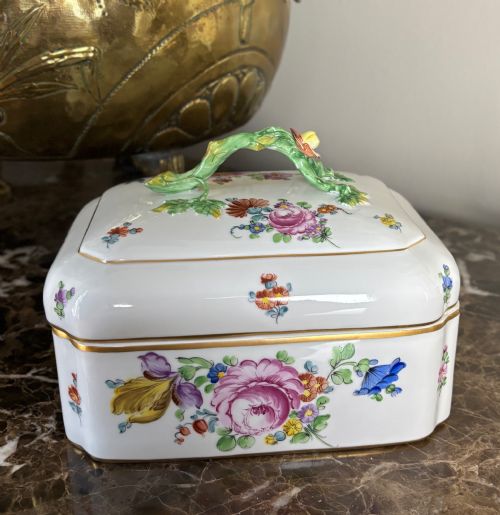
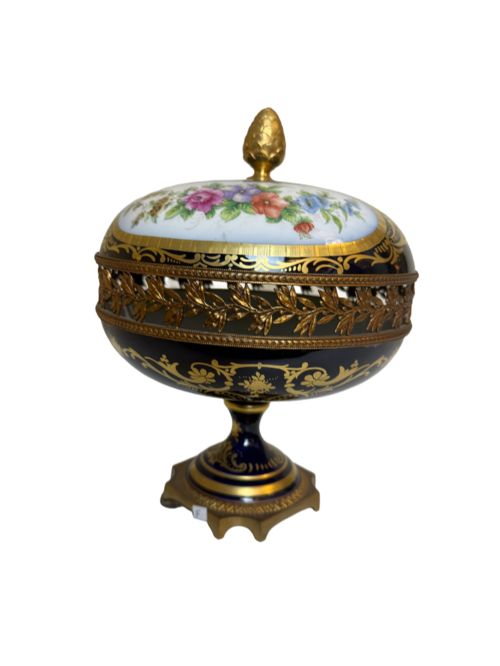
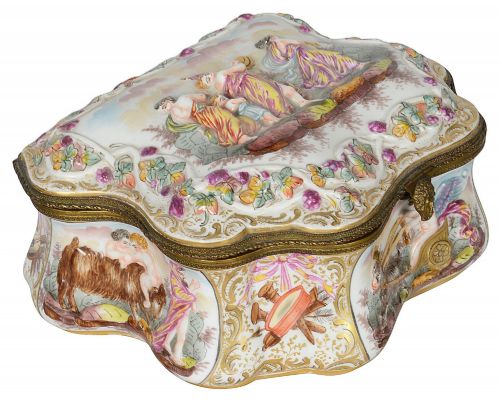
These gilt porcelain trinket box examples combine fine ceramic bodies with rich metallic mounts, offering a small, decorative receptacle for keepsakes.
Gilt Porcelain Trinket Box
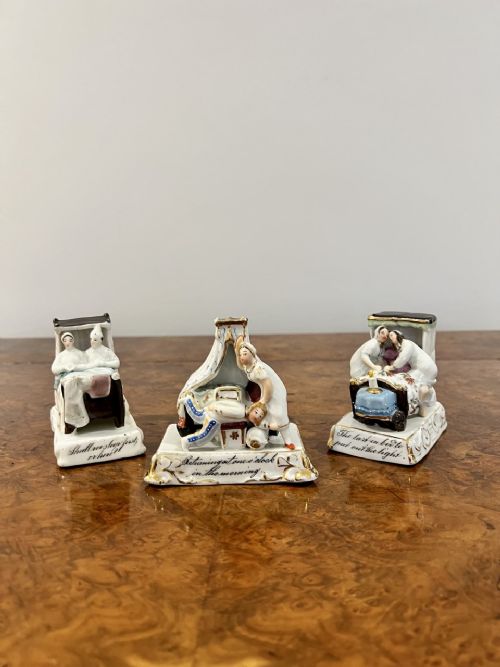
A gilt porcelain trinket box represents a diverse group of small lidded containers designed to hold jewellery, pills, or small keepsakes. When searching for a gilt porcelain trinket box, buyers encounter items ranging from eighteenth-century European pieces to twentieth-century Art Deco designs.
The selection includes French porcelain dishes, jewellery caskets, and German bonbonnières. Many pieces feature hinged metal mounts in ormolu, gilt bronze, or gilt brass that secure the porcelain lids and bases.
Originating predominantly from established European ceramic centres in France, Germany, and Italy, these boxes span multiple stylistic movements. Rococo Revival, Neoclassical, and Chinoiserie aesthetics appear frequently across the periods.
How they were made
The construction of these pieces relies on fired ceramic bodies paired with cast or chased metal mounts. Artisans utilised hand-painted cobalt blue grounds, enamel details, and raised gold leaf applied directly to the porcelain surface.
Metalwork components such as ormolu, gilt metal, and gilt bronze provide structural frames, hinges, and clasps that secure the ceramic elements. Kingwood and secondary woods occasionally appear in supporting display structures associated with the boxes.
Listings span periods from the eighteenth century through the nineteen-thirties, featuring porcelain, enamel, ormolu, and gold leaf.
What varies in quality
The refinement of the hand-painted detailing on the porcelain surface distinguishes the finer examples from standard production. Crispness in the casting of the gilt bronze or ormolu mounts also indicates superior workshop output.
The weight and integration of the metal framing relative to the ceramic body define the overall substance of the piece. Precision in the alignment of hinges and closures marks the work of skilled makers.
Edme Samson Of Paris
The Gilt Porcelain Trinket Box Glossary
- Ormolu
- A gilded bronze technique used for decorative furniture mounts and hardware. This process involves applying a finely ground mercury and gold amalgam to bronze before heating.
- Bonbonnière
- A small decorative box or dish originally intended for holding sweets or sugar confections. These items often feature elaborate hand-painted scenes and gilt metal mounts.
- Capodimonte
- An Italian porcelain type originating from the royal factory established in Naples. The style is recognised by sculptural relief work and detailed polychrome painting.
- Sevres
- A renowned French porcelain manufactory producing high-status decorative goods. Pieces associated with this name typically display rich coloured grounds and raised gold detailing.
Gilt Porcelain Trinket Box: Frequently Asked Questions
What were gilt porcelain trinket boxes used for?
These lidded containers served elite households as practical receptacles for small valuables, jewellery, and scented pills. Owners placed them on dressing tables, desks, and mantelpieces.
Over time, their function shifted from utilitarian storage to decorative display items that showcased the owner's taste and wealth through fine materials and artistry.
How do I identify the period of a box?
Dating relies on examining the style of the hand-painted decoration, the ceramic body, and the metal mounts. Rococo Revival and Neoclassical motifs often point to the nineteenth century, while geometric lines indicate the nineteen-thirties.
Maker marks stamped or painted on the underside of the porcelain also provide definitive clues to the manufacturing era and origin.
Where were most of these boxes made?
Continental Europe produced the vast majority of these items, with significant manufacturing hubs in France, Germany, and Italy. Factories in Paris, Limoges, Meissen, and Naples dominated production.
Each region developed distinct aesthetic signatures, such as the cobalt blues of French workshops or the sculptural forms of Italian porcelain.
How should I care for gilt porcelain?
Maintenance requires gentle dusting with a soft, dry cloth to protect fragile hand-painted surfaces and raised gold leaf. Avoid liquid cleaners and harsh chemicals that can strip the gilding.
Keep the pieces away from direct sunlight and extreme humidity shifts to preserve the integrity of both the ceramic body and the metal mounts.