


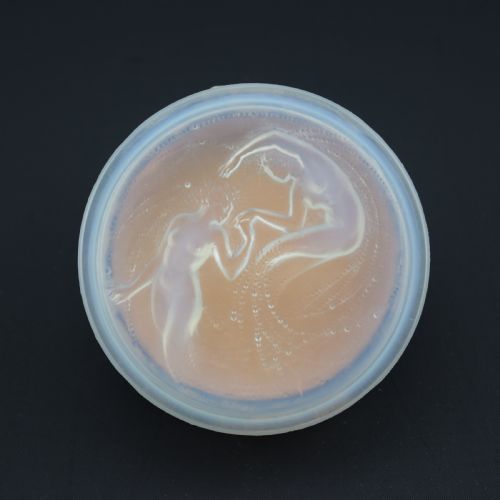


French Powder Box
A French powder box sits on the dressing table as a tactile relic of the vanity, housing cosmetics in porcelain, glass, or metal.
French Powder Box
A french powder box is a dressing table accessory designed to hold loose cosmetics, taking the form of lidded bowls, jars, and compacts. The selection ranges from Victorian and 19th-century receptacles to Art Deco ceramics.
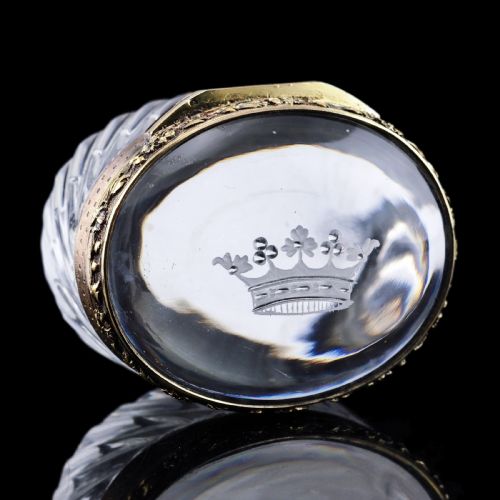
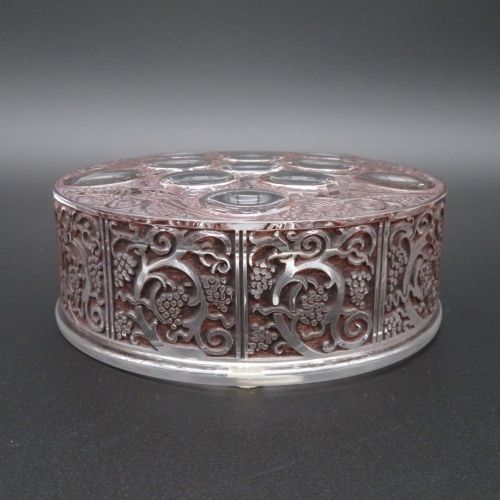
The materials span porcelain, ceramic, enamel, and glass, alongside silver gilt and chrome mountings. Makers and potteries such as Limoges and René Lalique appear across the periods.
Materials and construction
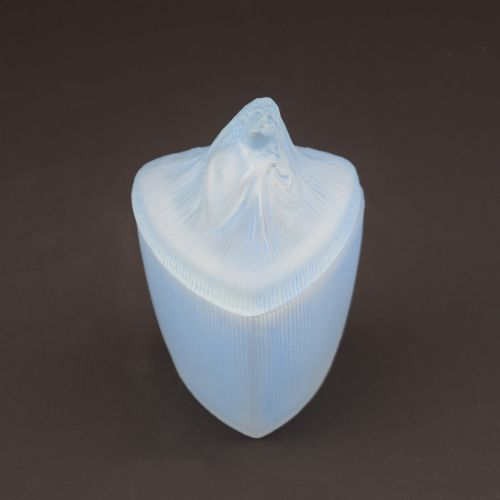
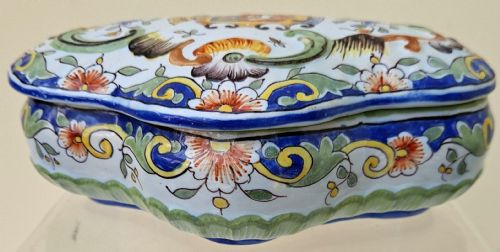
Makers utilised moulded, frosted, opalescent, and Clichy glass alongside fired ceramic, porcelain, and glazed faience. Metal elements employ silver gilt, vermeil, or chrome mountings to secure the lids.
Surface decoration relies on hand-painted detailing, enamel work, and moulded figural motifs such as sirens and female heads. Turned boxwood also occurs in earlier glove powderers.
Turned boxwood glove powderers from the mid-nineteenth century kept delicate kid leather gloves sliding on smoothly.
Distinguishing quality
Quality rests on the crispness of the moulding in glass and the precision of the hand-painted detailing on porcelain and enamel surfaces. Finer pieces integrate precious metal mounts like silver gilt or feature named designers.
The weight of the ceramic body and the preservation of the original glaze or surface decoration dictate the standing of the piece. Lesser examples display simpler stamped metal work and generic transfer printing.
Rene Lalique·Van Cleef and Arpels·Limoges
The French Powder Box Glossary
- Silver gilt
- Silver that has been coated with a thin layer of gold. This finish adds warmth to the metal mounts of crystal and glass boxes.
- Opalescent glass
- Glass containing ingredients that cause it to milky-blue scatter light. It creates a luminous effect popular in Art Deco designs.
- Faience
- Tin-glazed earthenware produced in France. It provides an opaque white surface for hand-painted decoration.
- Vermeil
- Sterling silver plated with gold. It offers a rich golden appearance on covered bowls and vanity items.
- Clichy glass
- Glass produced by the French glassworks known for coloured and enamelled wares. These pieces often feature vibrant hues.
French Powder Box: Frequently Asked Questions
What periods do these powder boxes come from?
The pieces span the nineteenth century through the Art Deco era of the 1920s and 1930s. Victorian and Belle Epoque examples sit alongside geometric designs.
Dates are determined by the stylistic traits, materials, and documented signatures of the makers.
How were these boxes used originally?
They sat on dressing tables to hold loose face powder, puffs, and vanity items. Some doubled as trinket receptacles or Christening set components.
Ladies utilised them during daily toiletry routines before modern pressed compacts became common.
How do I care for antique glass and porcelain?
Dust surfaces gently with a soft dry cloth to protect hand-painted enamel and gilt detailing. Avoid harsh chemical cleaners that can strip the glaze or damage silver mounts.
Keep them away from direct sunlight and areas prone to heavy moisture changes.
How do I tell Art Deco from earlier styles?
Art Deco pieces from the 1920s and 1930s favour geometric lines, moulded opalescent glass, and chrome. Earlier nineteenth-century examples lean towards floral hand-painted porcelain and ornate silver gilt mounts.
Faience and enamel work also point towards specific regional French ceramic traditions.