

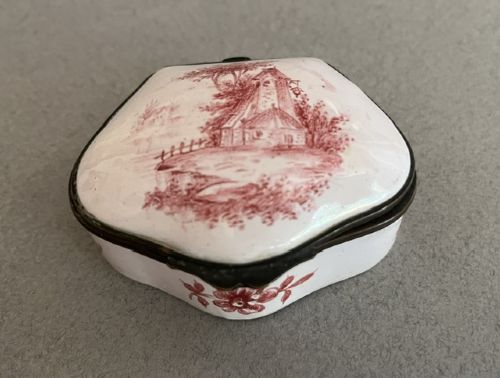


Vintage Ceramic Dresser Box
These vintage ceramic dresser box pieces combine dressing table utility with decorative charm, offering a tangible link to personal vanity history.
Vintage Ceramic Dresser Box
When you search for a vintage ceramic dresser box, you enter a domain of vanity items designed to hold trinkets, powder, and jewellery on nineteenth and twentieth-century dressing tables. The selection ranges from nineteenth century French trinket boxes and Victorian Italian table caskets to twentieth century pieces.
You are most likely to meet Art Deco examples from around nineteen thirty, particularly powder boxes, jars, and bowls featuring figural half dolls of flapper girls or jesters. These pieces originate predominantly from France, Germany, and Austria.
The assortment spans diverse forms including trinket and vanity boxes, powder jars, and jewellery caskets. Each object serves the dual purpose of surface ornament and practical storage for small personal valuables.
Materials and construction
Maker workshops utilised ceramic, earthenware, and porcelain bodies, shaping them into lidded bowls, jars, and caskets. These ceramic bases often received detailed glazes and enamel work to colour the surfaces.
Many items incorporate gilt, gold leaf, and brass mountings to accent the lids and rims. Half doll figures attached to powder boxes combine moulded ceramic upper bodies with fabric or ceramic skirts.
Vintage Ceramic Dresser Box Retail Price Guide 2026
Typical asking prices for vintage ceramic dresser box among the pieces listed under this phrase on Sellingantiques today, from the lower quarter to the upper quarter. They describe what is for sale here now, not the wider market.
A cheerful jester peers out from beneath a ceramic lid, keeping watch over your daily trinkets.
Assessing quality and execution
The integration of materials also dictates standing, as seen in how securely brass mounts attach to porcelain bodies and the preservation of gilt and gold leaf details across the surface.
Limoges
The Vintage Ceramic Dresser Box Glossary
- Half doll
- A ceramic upper torso figure without legs, commonly used as a lid topper on powder boxes and tea cosies during the early twentieth century.
- Powder box
- A lidded ceramic vessel intended for holding cosmetic face powder on a dressing table. These often feature decorative figural or floral lids.
- Trinket box
- A small container designed to store rings, pins, and other small items of jewellery. They appear in porcelain, earthenware, and glazed ceramic.
- Table casket
- A larger box form, often mounted with metal fittings, intended for display and storage on tabletops or desks.
- Gilt
- A thin layer of gold applied to the surface of ceramic or metal mounts for decorative enhancement.
Vintage Ceramic Dresser Box: Frequently Asked Questions
What did people keep in a vintage ceramic dresser box?
These containers held loose face powder, pins, rings, and small personal trinkets on dressing tables.
They kept everyday cosmetic items organised and protected from dust while adorning the bedroom surface.
How do I date a half doll powder box?
Most figural half doll pieces date from the Art Deco period around nineteen thirty, originating from factories in Germany, Austria, and France.
Stylistic cues in the hair, facial makeup, and clothing of the figures typically align with fashion trends of that decade.
Are French and German dresser boxes different?
French production frequently leans towards refined floral motifs and painted porcelain bowls, whereas German and Austrian workshops often specialised in modelled figural half dolls.
Both national traditions utilised glazed ceramic and porcelain materials with similar vanity functions.
How should I clean my porcelain trinket box?
Dust the ceramic surfaces gently with a soft, dry cloth to prevent accumulation in crevices and around gilt details.
Avoid immersing boxes that feature delicate enamel or attached fabric skirts in water to protect the materials.