




French Art Deco Pot
A french art deco pot brings geometric discipline and rich glaze work to a dressing table or living space, offering tangible craft from the early twentieth century.
French Art Deco Pot
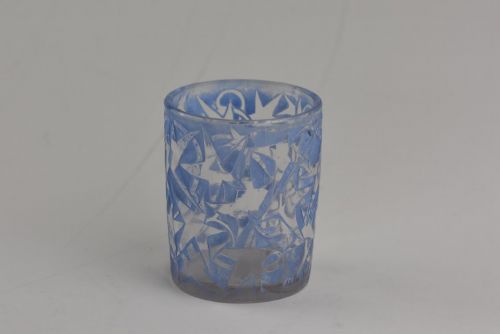
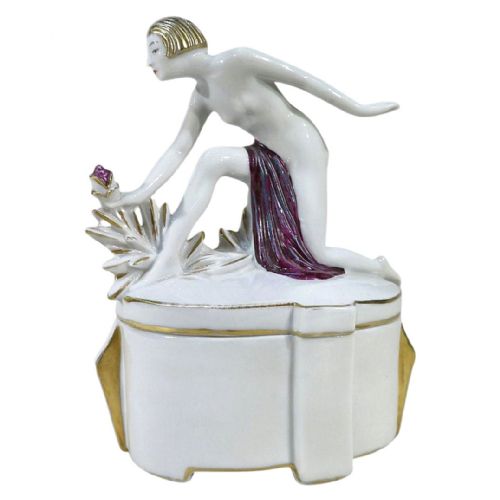
A french art deco pot encompasses ceramic powder boxes, glass trinket containers, and decorative vessels originating from the early decades of the twentieth century. These items include lidded powder bowls, porcelain bonbonniere jars, and crystalline pottery pieces designed for vanity and display use.
Ceramic powder boxes bearing Limoges marks and frosted glass vessels form the core of what collectors encounter. These objects reflect the transition from ornate floral curves to clean geometric lines across the 1920s and 1930s periods.
How they were made
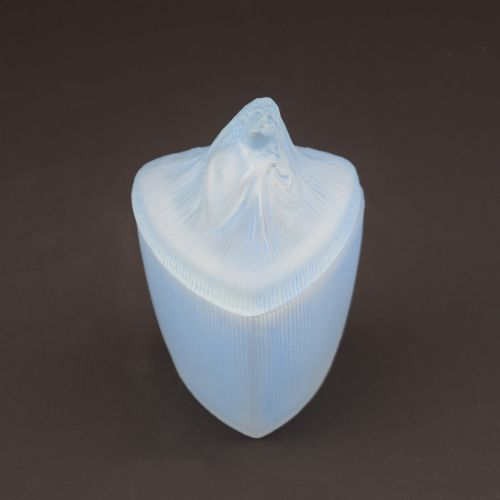
Potters and glassmakers utilised ceramic, porcelain, and frosted glass, often applying reactive crystalline glazes, blue stains, or copper dinanderie finishes. Moulded glass production allowed makers to achieve crisp relief details on lidded boxes and cigarette holders.
Faience enamel and cloisonné techniques decorated earthenware bodies with patterned surfaces, while mounting hardware in brass provided structural contrast to the ceramic and glass vessels.
Listings feature items spanning the 1910s, 1920s, and 1930s periods, executed in ceramic, porcelain, frosted glass, brass, and copper.
What varies in quality
The sophistication of the glaze chemistry and the crispness of the moulded relief define the upper tier of these vessels. Crystalline runs that form distinct starburst patterns and evenly stained glass details show superior studio control.
Defined maker attribution, such as factory stamps from Limoges or signatures on frosted glass, distinguishes standard commercial production from distinguished output. The precision of the lid fit and the depth of the metal mounting also separate ordinary utility items from finer examples.
Christofle·Rene Lalique·Limoges·Pierrefonds·Longwy
The French Art Deco Pot Glossary
- Dinanderie
- A French term for beaten or worked brass and copper items finished with chemical patination or acid etching. This metalwork technique often covered decorative vessels and planters.
- Bonbonniere
- A small lidded box or jar traditionally used for holding sweets, candies, or small trinkets. These decorative containers frequently appeared in porcelain or ceramic during the interwar years.
- Crystalline glaze
- A ceramic finish that encourages zinc silicate crystals to grow during the kiln firing process. Potters prized unpredictable star-like patterns on decorative vases and pots.
- Cloisonné faience
- Earthenware decorated with enamel applied within wire partitions soldered to a metal base, or simulated through clay channels. This technique produced patterned surfaces on pottery tea sets and vessels.
- Frosted glass
- Glass treated with acid or sandblasting to create a matte, translucent surface texture. Makers utilised this finish to highlight moulded figural motifs and geometric details.
French Art Deco Pot: Frequently Asked Questions
What is a french art deco pot used for?
These vessels served practical functions on dressing tables, desks, and sideboards as containers for face powder, cigarettes, bonbons, or small trinkets.
Today, collectors use them primarily as decorative vanity objects or small display pieces in interiors that embrace twentieth-century design.
How do I distinguish 1920s pieces from 1930s pieces?
Objects from the 1920s often retain lingering Art Nouveau curves or feature the intricate frosted glass and moulded details associated with master glassmakers.
Items from the 1930s tend to lean toward bolder geometric forms, simplified flapper motifs, and ceramic bodies with crystalline or drip glazes.
Are all these pots made of ceramic?
Ceramic and porcelain form a significant portion of the available inventory, particularly in the category of lidded powder boxes and vanity bowls.
However, the material evidence also includes frosted glass, bronze, copper dinanderie, and brass mounts across various related decorative vessels.
How should I clean and care for my pot?
Dust ceramic and glass surfaces gently with a soft, dry cloth to preserve delicate glazes, enamel work, and acid-etched frosting.
Avoid immersing metal-mounted items in water or using harsh chemical polishes that might strip the original patination from the brass or copper.