



Cobalt Blue Trinket Dish
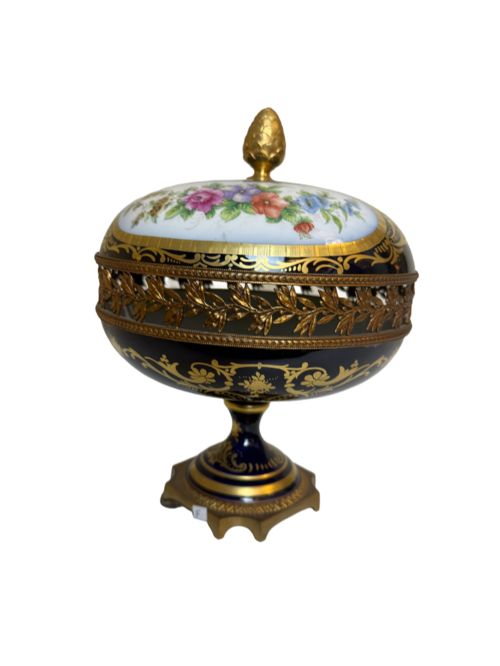
A cobalt blue trinket dish brings a sharp flash of saturated colour to a dressing table, combining small-scale utility with rich decorative punch.
Cobalt Blue Trinket Dish
When searching for a cobalt blue trinket dish, buyers encounter small vessels intended for dressing tables, desks, and vanity units. The pieces on this page span the nineteenth century, the Edwardian period, and the nineteen-twenties, encompassing both porcelain and glass forms.
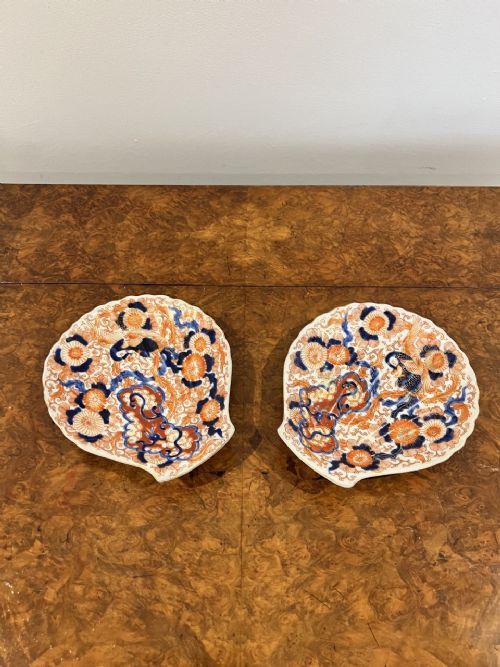
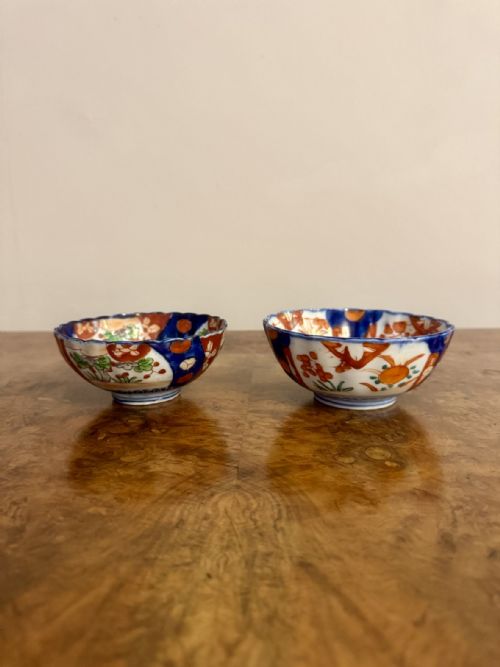
The selection ranges from lidded boxes and patch boxes to bonbon dishes, bowls, and shell-shaped plates. Many items originate from French, Japanese, and English makers, reflecting distinct regional tastes for deep blue glazes and enamels.
Most examples lean towards decorative function, serving to hold small personal items like pins, rings, and coins. The physical evidence shows shapes varying from boat-shaped dishes and hexagonal bowls to round boxes and fan-shaped plates.
How they were made
The manufacture of these pieces relies heavily on ceramic and glass techniques combined with surface ornamentation. Porcelain bodies receive deep cobalt glazes before firing, sometimes layered with jasper dip or hand-painted details.
Many items incorporate metallic enhancements, utilising gold leaf, gilt detailing, or cast ormolu mounts to frame the intense blue ground. Glass examples such as Bristol blue jars often feature surface enamelling, while metalwork mounts securely encase glass vessels.
Potteries also employed ironstone and stoneware bodies, shaping them into moulded forms like the Japanese Imari plates and transfer-patterned dishes. Artisans applied hand-painting directly over the glaze or structured the ceramic body to accept intricate metal rims and lids.
Form variations range from lidded dressing table boxes and patch boxes to boat-shaped dishes, bowls, and shell-shaped plates.
What varies in quality
Quality in these small vessels rests on the crispness of the moulding and the depth of the cobalt colour. Superior pieces display even saturation without mottling, whereas lesser examples show uneven pigment distribution or muddy undertones.
The execution of surface decoration marks another clear distinction between tiers of production. Hand-painted details, precise hand-applied gilt, and finely cast metal mounts indicate higher workshop standards than simple transfer prints or crude mounts.
The integration of materials also defines the better pieces, such as silver mounts that fit glass snugly or porcelain lids that align precisely with their bases. Careful finishing on the undersides and neat maker marks further elevate an item's standing.
Limoges·Wedgwood·Helena Wolfsohn·Moorcroft·Royal Crown Derby·New Hall
The Cobalt Blue Trinket Dish Glossary
- Cobalt blue
- A deep, vibrant blue pigment derived from cobalt salts, used extensively to glaze ceramics and colour glass. It remains stable at high kiln temperatures, producing a rich, permanent hue.
- Jasper dip
- A fine-grained, unglazed stoneware developed by Wedgwood, where a white clay body receives a surface wash of coloured slip. This technique creates a distinct contrast between the blue background and white moulded reliefs.
- Imari style
- A decorative aesthetic originating in Japan and later copied in Europe, characterised by underglaze blue and overglaze iron red, gold, and secondary colours. Pieces often feature complex panel designs and floral motifs.
- Ormolu
- Gilded bronze or brass mounts applied to ceramics and glass during the eighteenth and nineteenth centuries. The technique involves treating metal with a mercury-gold amalgam to achieve a durable golden finish.
- Patch box
- A small lidded container historically used to hold beauty patches made of silk or velvet. By the nineteenth century, these boxes served more general trinket and pill storage functions.
Cobalt Blue Trinket Dish: Frequently Asked Questions
What were cobalt blue trinket dishes used for?
These small dishes and boxes sat on dressing tables and desks to hold pins, rings, small cosmetics, and patches. They kept easily misplaced personal items contained while adding a decorative accent to the room.
Over time, their practical use shifted toward purely display purposes, though their cavities remained suited for small keepsakes.
How do I date a porcelain dish?
Dating relies on observing maker marks, ceramic bodies, and stylistic clues like Neoclassical or Rococo Revival motifs. Examining the base for factory stamps or hand-written signatures provides a direct link to a specific active period.
The manufacturing technique and wear patterns on the foot ring also help narrow down the decade of production.
Are these glass or ceramic?
The selection includes both mediums, featuring porcelain, stoneware, and ironstone alongside Bristol blue glass. Each material offers a different weight and tactile quality when handled.
Glass items often feature encasements like silver or metal mounts, whereas ceramic pieces rely on glazes and surface painting for their finish.
How do I care for antique enamel and gilt?
Antique enamel and gilt details require gentle cleaning with a soft, dry cloth to remove dust. Moisture and harsh cleaning agents can damage delicate hand-painted surfaces and wear away thin gold leaf.
Keeping them out of direct sunlight helps prevent the fading of vulnerable enamels and pigments over time.