


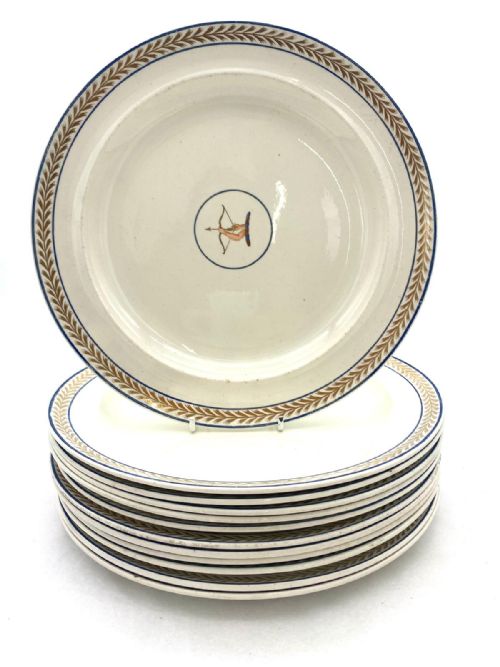
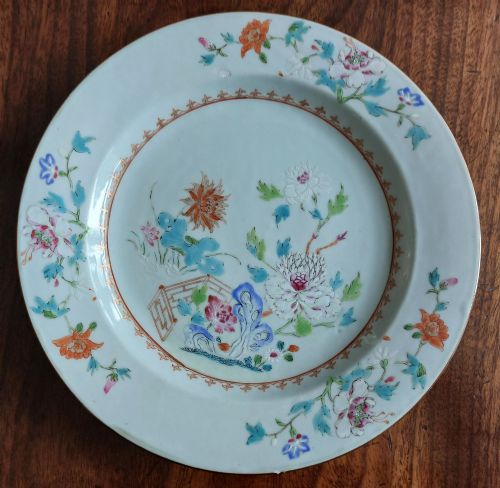
Hand Painted Ceramic Plate
When you search for a hand painted ceramic plate, you enter a world of finely decorated porcelain, earthenware and bone china from centuries past.
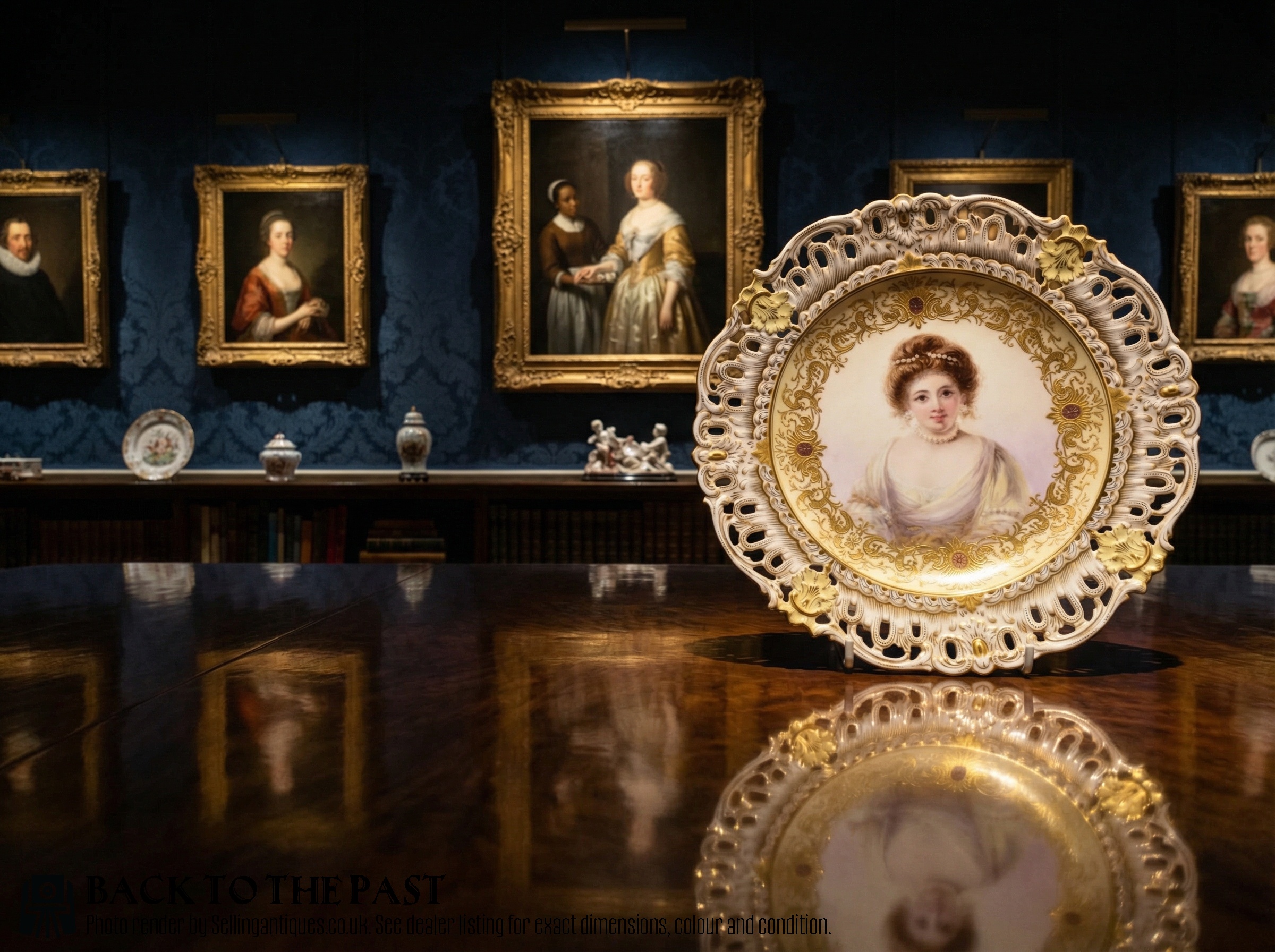
Hand Painted Ceramic Plate
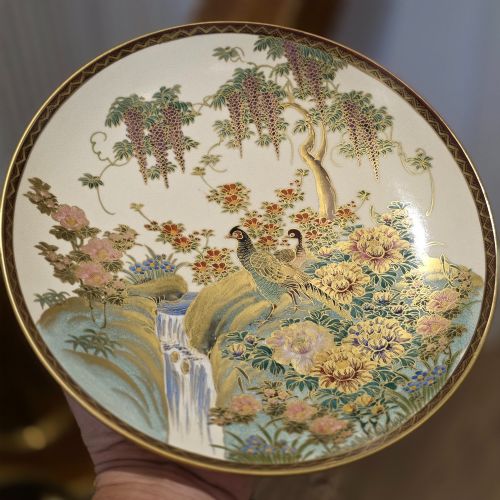
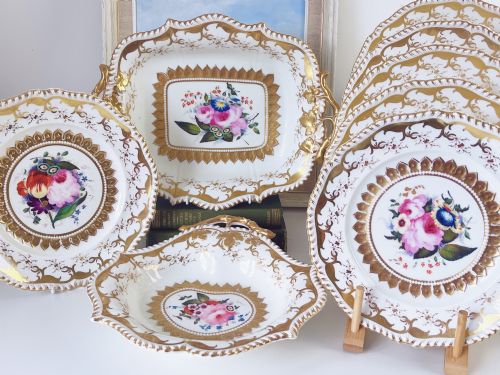
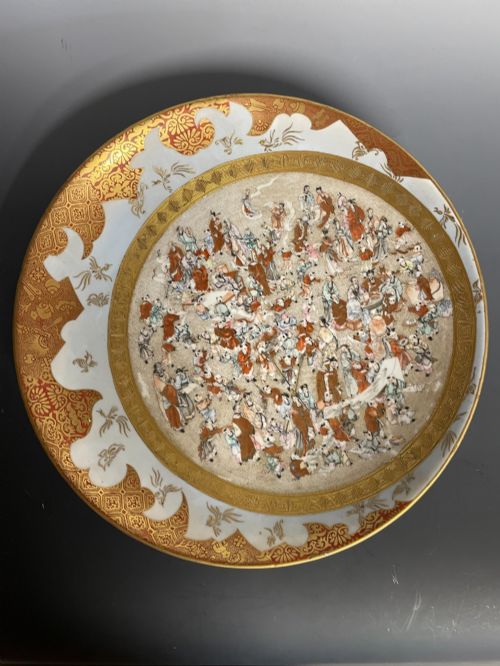
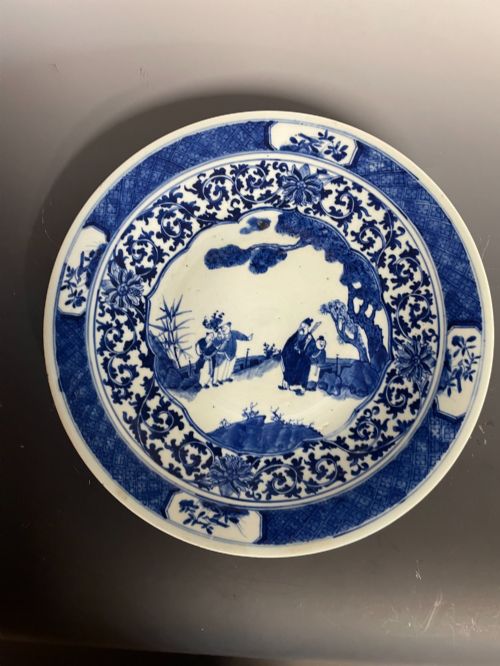
A hand painted ceramic plate serves as both a functional item and a decorative canvas, encompassing forms from cabinet plates and dinner plates to large chargers and serving dishes. These pieces originate from various traditions, including English factories, continental potteries and Asian kilns, spanning the eighteenth century through the twentieth century.

How they were made
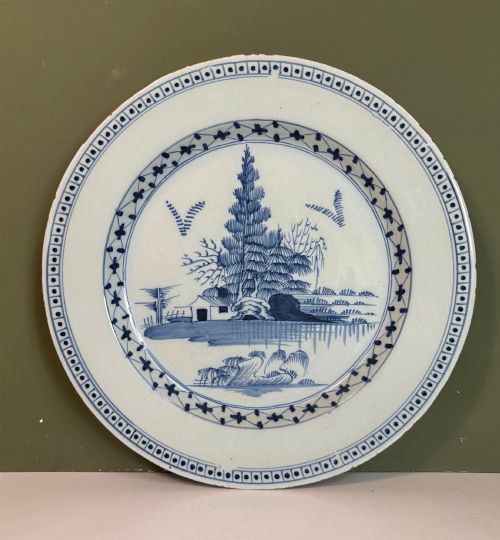
Potters shaped these objects using ceramic bodies such as porcelain, bone china, creamware, earthenware and soft-paste porcelain, often applying tin glaze or clear lead glaze over the dried clay. Workers then fired the pieces in kilns to set the body before applying hand painted designs in enamel, polychrome pigments or blue and white underglaze.
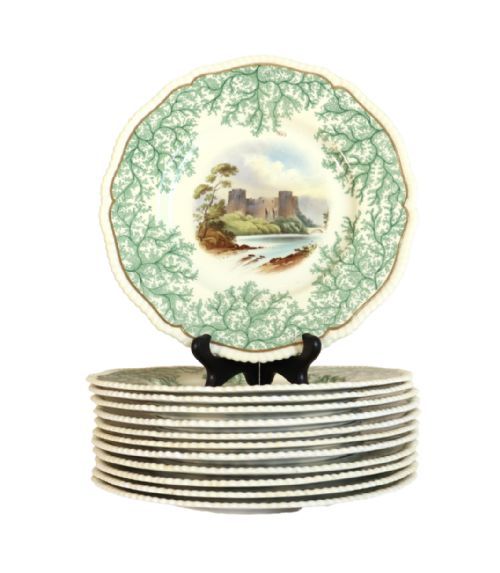
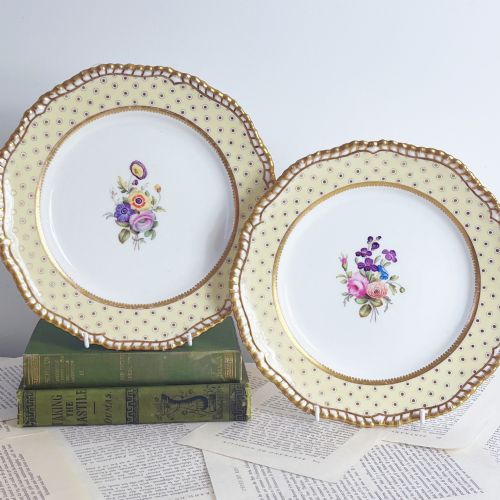
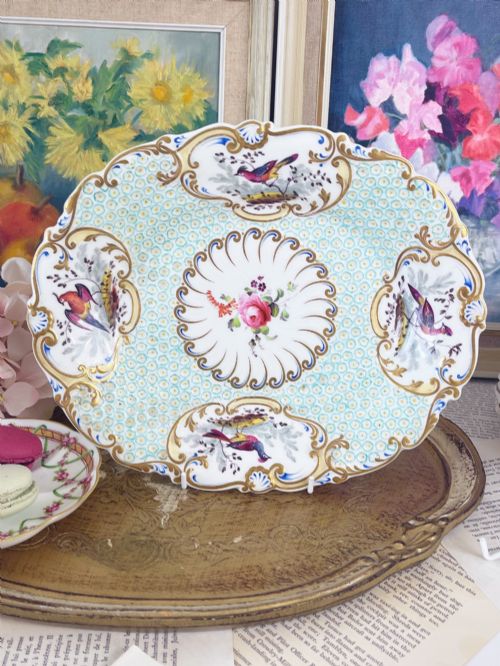
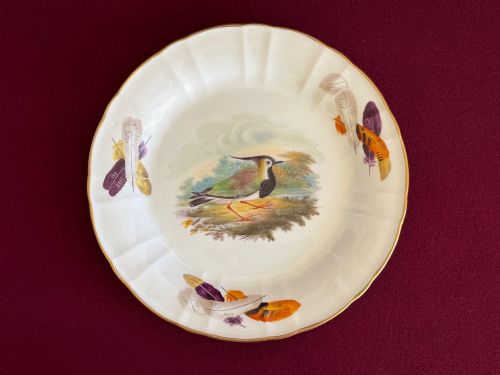
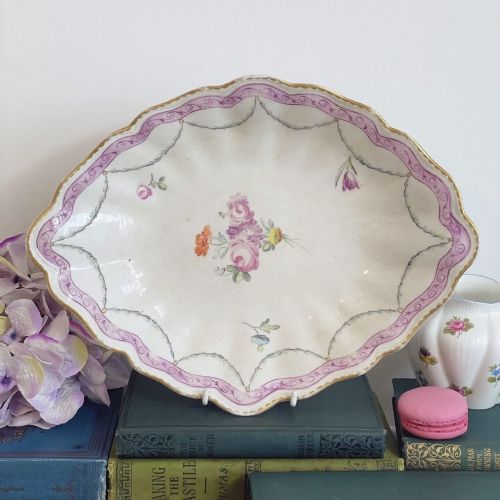
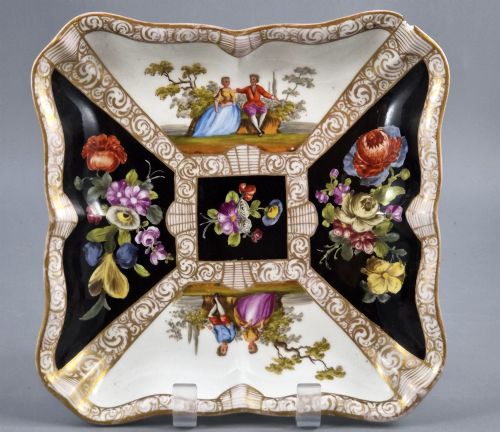
Many workshops incorporated additional decorative techniques, including gilding with gold leaf, highlights in gilt, and moulded borders with scalloped edges or seaweed patterns. Specialised painters executed detailed scenes of birds, flowers, figures and armorial crests directly onto the glazed surface before a final low-temperature kiln firing.
Hand Painted Ceramic Plate Retail Price Guide 2026
Typical asking prices for hand painted ceramic plate among the pieces listed under this phrase on Sellingantiques today, from the lower quarter to the upper quarter. They describe what is for sale here now, not the wider market.
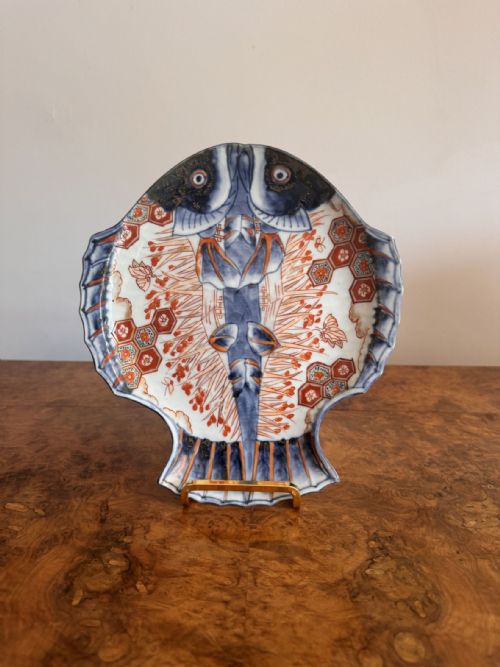
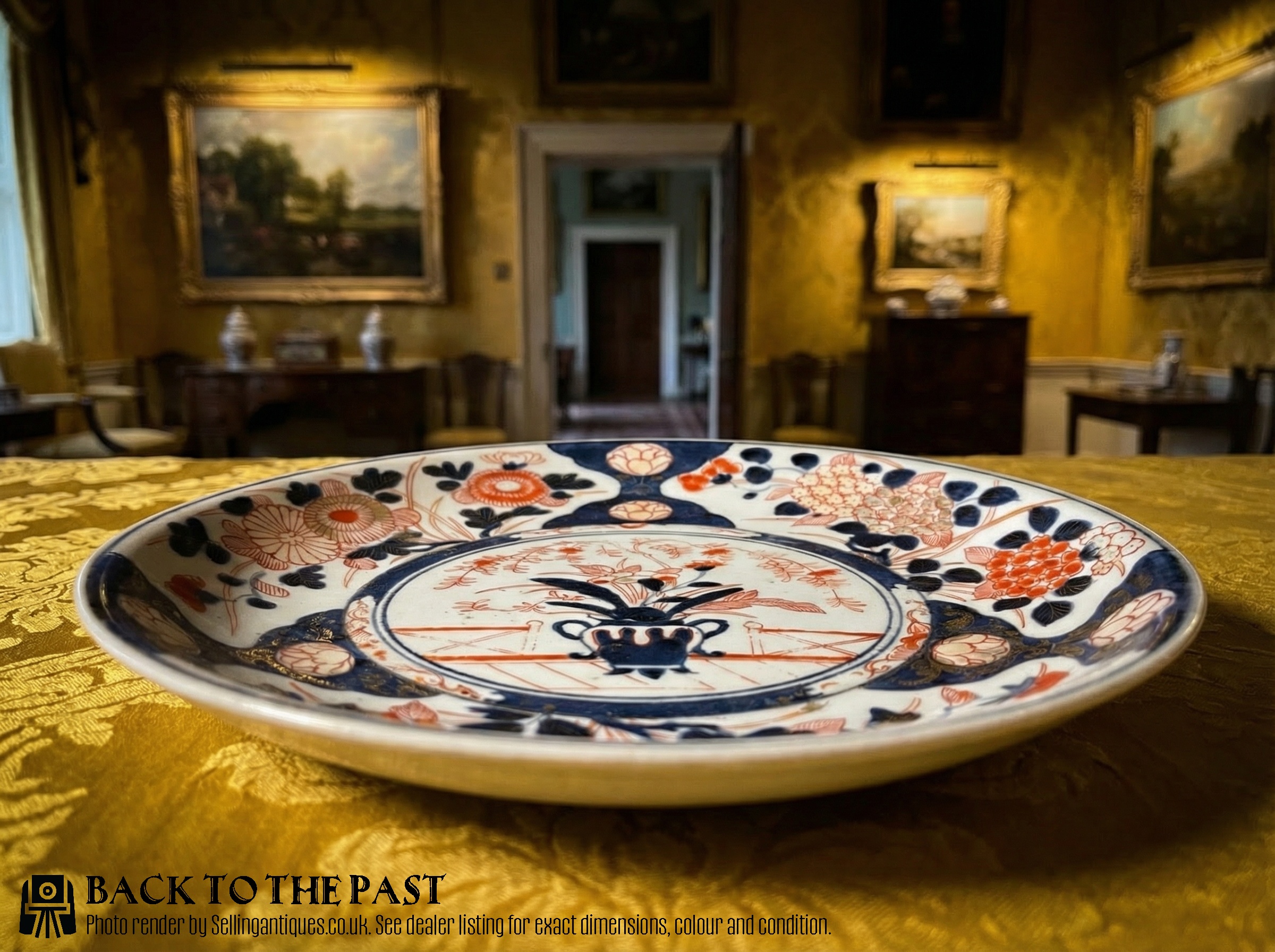
One particularly imaginative piece shapes an Imari ceramic plate directly into the form of a swimming fish.
What varies in quality
Quality in a hand painted ceramic plate rests primarily on the skill of the brushwork and the artistic ambition of the painted subject. Finely rendered ornithological studies, historical battle scenes or detailed floral sprays executed by named artists elevate a piece far above standard factory production.
The crispness of the moulding, the purity of the porcelain or bone china body, and the richness of the enamel and gold leaf application distinguish superior examples. Pieces that retain their original provenance, factory marks and balanced composition command greater appreciation from collectors.
Grainger Lee And Co·Spode·H And R Daniel·Wedgwood·Derby·Meissen·Royal Bonn·Royal Worcester·Royal Crown Derby·Chamberlains Worcester·Hicks And Meigh
The Hand Painted Ceramic Plate Glossary
- Cabinet plate
- A decorative plate intended for display in a cabinet or on a wall rather than for dining use. These pieces typically feature elaborate hand painted scenes.
- Charger
- A large ornamental plate or dish used historically for ceremonial service or placed beneath smaller course plates. They frequently showcase expansive painted motifs.
- Creamware
- A refined earthenware developed in eighteenth-century England, characterised by a pale yellowish-cream glaze. Josiah Wedgwood and other potters perfected this light and durable ceramic body.
- Imari
- A style of Japanese export porcelain and ceramics featuring a distinctive palette of underglaze blue, iron red, and gold. Makers in the Meiji period and earlier produced these vibrant plates for international markets.
- Famille rose
- A major palette of Chinese ceramic glazes introduced in the eighteenth century, distinguished by opaque pink or rose enamel. Qing dynasty pieces utilise this coloration for delicate floral and figural compositions.
Hand Painted Ceramic Plate: Frequently Asked Questions
How were ceramic plates used historically?
Plates and chargers served practical roles at dining tables for courses of meat, dessert or cheese, while larger chargers often acted as central display platters or sideboard decoration.
Finer cabinet plates were reserved entirely for visual display in drawing rooms, showcasing the wealth and taste of the household through hand painted artistry.
Can I use antique plates for dining?
Most antique ceramic and porcelain plates are best preserved for display or gentle occasional use rather than daily meals. Historic glazes and hand painted enamels can wear down with modern dishwashers and cutlery.
Hand washed care in warm water helps protect fragile earthenware, soft-paste porcelain, and delicate gold leaf details from accidental damage.
How do I identify the period of a plate?
Makers marks, factory stamps, and blue or painted cyphers on the underside provide the most reliable clues for dating a piece. Stylistic indicators like Regency shapes, Aesthetic movement borders, or eighteenth-century palette choices also narrow down the era of manufacture.
The weight, type of ceramic body - such as bone china versus creamware - and the character of the hand painting further reveal the period of origin.
What is the difference between porcelain and earthenware?
Porcelain is a dense, vitrified ceramic fired at high temperatures until non-porous and translucent, whereas earthenware is a porous clay body that requires a glaze to hold liquids. Bone china is a specific type of porcelain incorporating bone ash for enhanced whiteness and strength.
Earthenware pieces like creamware or Delft tin-glazed dishes tend to feel heavier and display a warmer, softer paste compared to crisp porcelain.