

Green Ceramic Figure
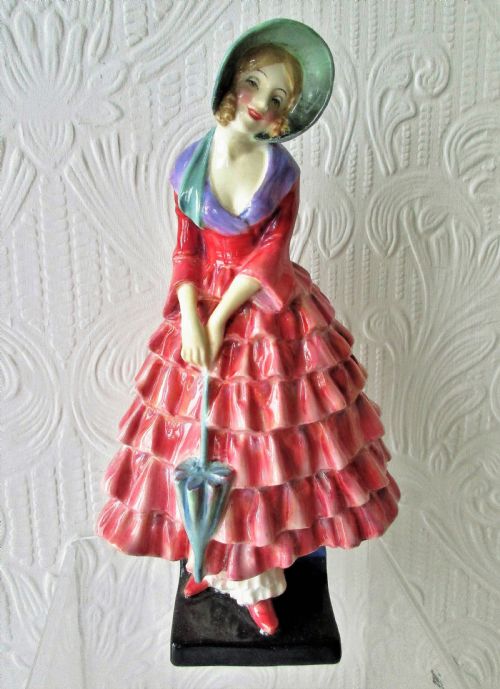
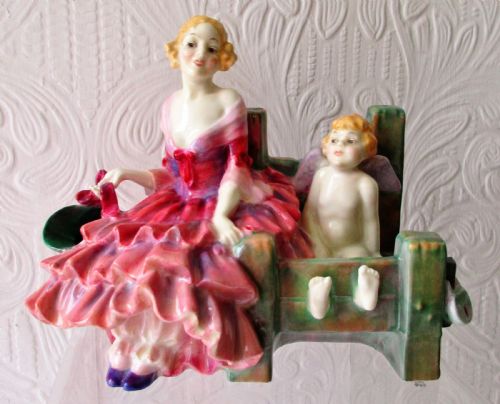
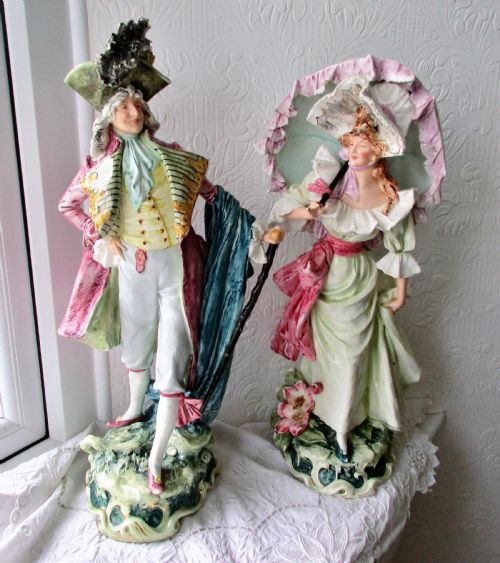
Green ceramic figure works as a term for sculpted animals and human subjects finished in green glazes, enamels or terracotta.
Green Ceramic Figure
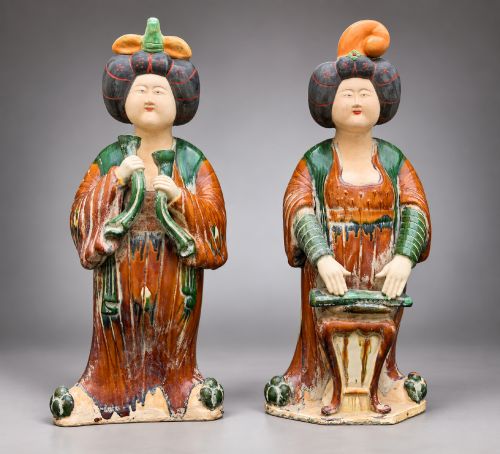
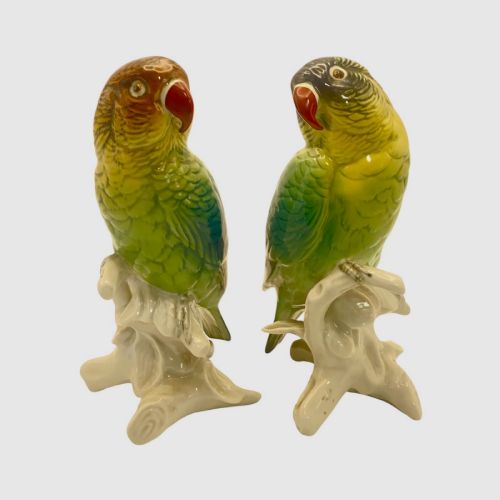
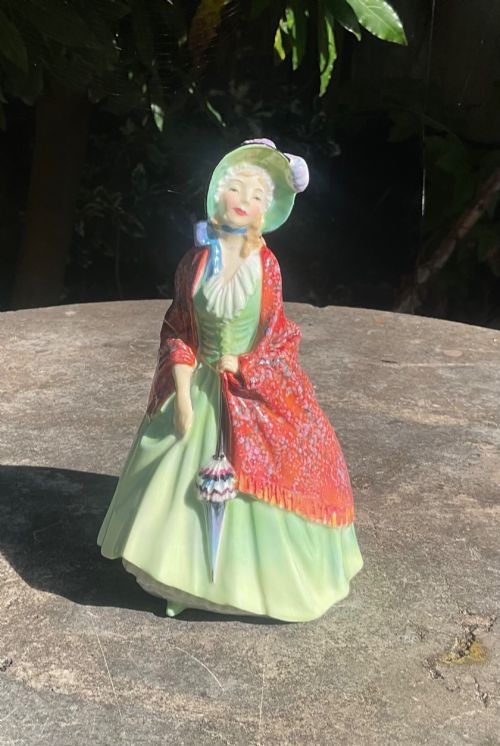
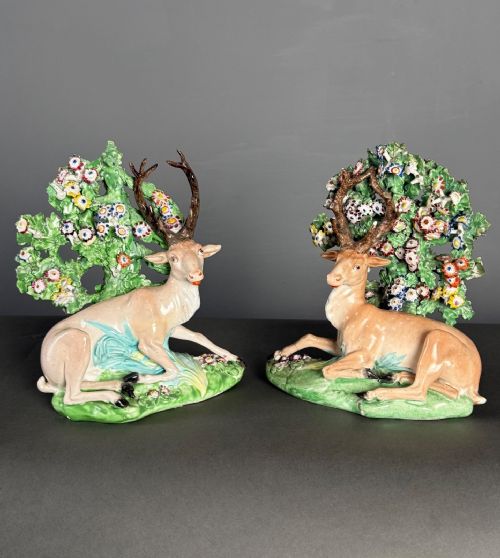
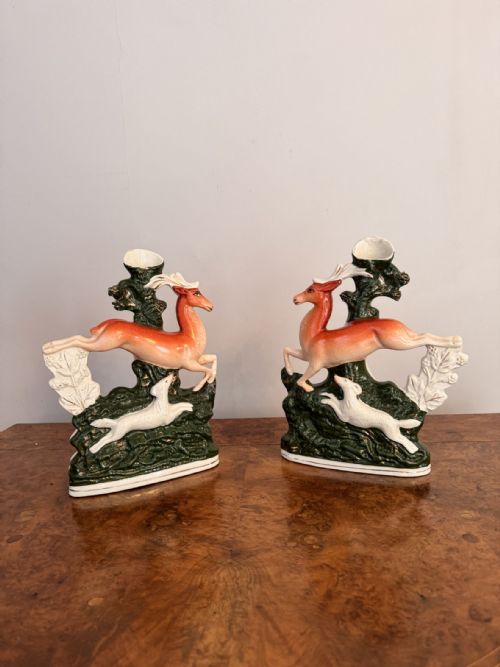
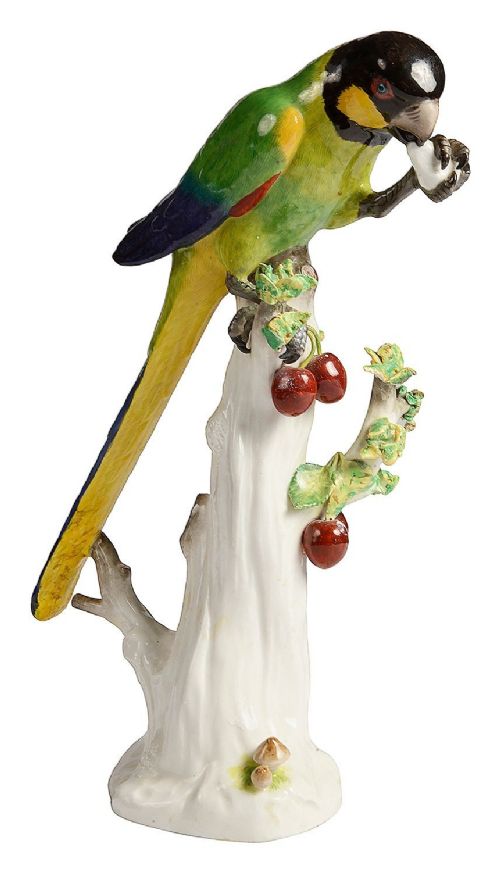
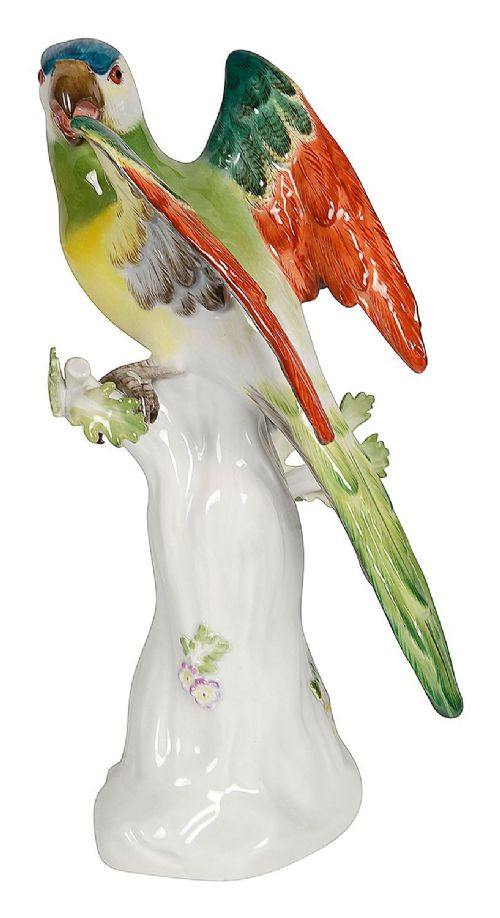
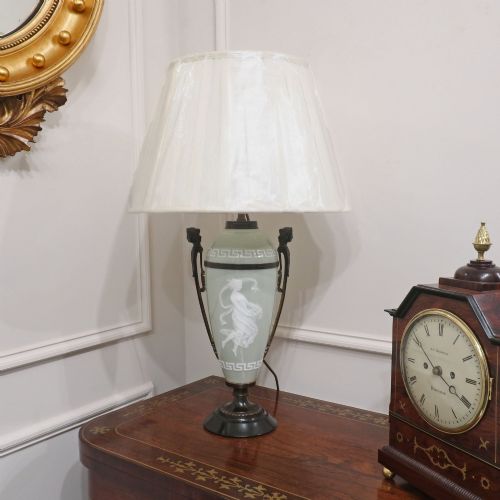
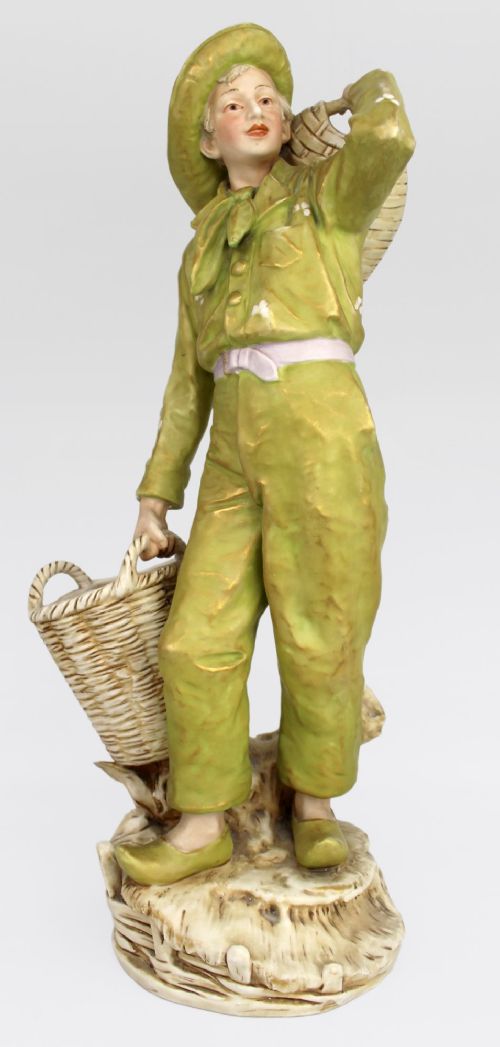
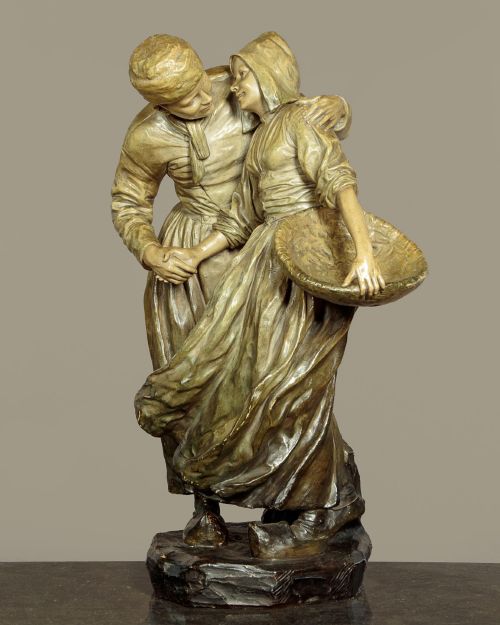
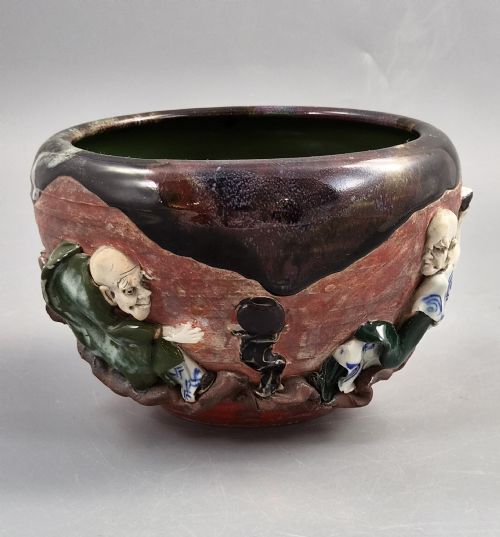
A green ceramic figure brings together sculpted clay forms and verdant mineral pigments across several centuries of production. When searching for a green ceramic figure, collectors encounter everything from Staffordshire earthenware animals to Meissen porcelain birds and Tang Dynasty style sancai glazed musicians.
The objects span domestic Staffordshire spill vases, Georgian Derby porcelain candlesticks, and Japanese Kutani shishi lions. Earthenware, porcelain, bone china, and terracotta serve as the primary bodies carrying the green coloration.
Victorian Staffordshire pieces and 1930s Art Deco animals appear frequently within this grouping. Makers utilise various glazing methods, ranging from subtle celadon washes to bold turquoise and sancai lead glazes.
How They Were Made
Potters shaped these pieces using earthenware, porcelain, and terracotta bodies, often moulding figures in sections before luting them together. Details were hand-modelled or applied in relief prior to the initial bisque firing.
Glazes and enamels supplied the characteristic green palette, utilising metallic oxides such as copper fired at high temperatures. Sancai techniques combined green with amber and cream lead glazes, while pate sur pate applied successive layers of slip to build low relief decoration.
What Varies in Quality
The sophistication of the form distinguishes standard domestic output from studio or factory masterworks. Well-executed pieces maintain anatomical proportion and balanced posture, whereas lesser examples show heavy potting and crude hand-painting.
Karl Ens·Royal Doulton·Royal Dux Bohemia·Goldscheider·Inoue Ryosai·Charles Vyse·Royal Worcester Hadley·Meissen
The Green Ceramic Figure Glossary
- Sancai
- Three-colour glaze technique originating in ancient China. This lead-glazed method typically combines green, amber, and cream tones on pottery figures.
- Spill vase
- Hollow cylindrical vessel attached to a figural group. Victorian households utilised these dual-purpose ceramic pieces to hold wooden spills for lighting fires and candles.
- Pearlware
- Refined earthenware developed in the late eighteenth century. A slight cobalt blue tint in the translucent glaze distinguishes this ceramic body from creamware.
- Pate sur pate
- Decorative ceramic technique meaning paste on paste. Artisans built up low relief designs using successive layers of liquid porcelain slip before firing.
- Shishi
- Mythological Buddhist lion or guardian dog. Japanese and Chinese ceramic artists frequently rendered these creatures in porcelain, earthenware, and glazed pottery.
Green Ceramic Figure: Frequently Asked Questions
What periods do these figures come from?
These decorative objects span the eighteenth, nineteenth, and early twentieth centuries. Examples range from Georgian Derby porcelain and Victorian Staffordshire earthenware to 1930s Art Deco ceramics.
Production also encompasses items styled after much earlier periods, including Tang Dynasty sancai glazed pottery and Qing Dynasty porcelain.
How were these ceramic figures used?
Many served purely as mantelpiece ornaments and decorative objects in domestic interiors. Other forms fulfilled practical functions alongside their sculptural design, such as holding taper candles or providing spill holders.
Scholar pieces functioned as brush washers and water containers on writing desks. Candlesticks incorporated figures into functional lighting equipment for Georgian and Victorian homes.
How do I care for antique ceramic figures?
Display these pieces away from direct sunlight to protect enamel decorations and sensitive glazes from fading. Dust them gently with a soft, dry brush.
Avoid using water or chemical cleaners on antique earthenware and overglaze painted porcelain. Unglazed terracotta requires particular care to prevent moisture absorption.
What materials make up these sculptures?
Makers employed a variety of ceramic bodies including earthenware, fine porcelain, bone china, and terracotta. Finished pieces relied on applied glazes, enamels, and slip decoration to achieve their surface colour.
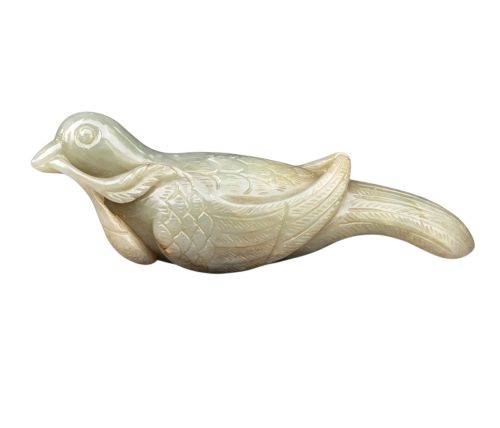
Some objects incorporate additional elements such as glass eyes or jade carved components. Lead glazes and cobalt-tinted pearlware glazes are common across different periods.