




Royal Doulton Bone China
Royal doulton bone china brings together delicate figurines and cabinet dishes shaped by English makers across the Victorian period and the twentieth century.
Royal Doulton Bone China
When you search for royal doulton bone china, you encounter finely modelled figurines alongside decorative vases, cabinet dishes, and dinnerservice settings. The selection spans the Victorian period, 1900, 1910, 1930, and 1940.
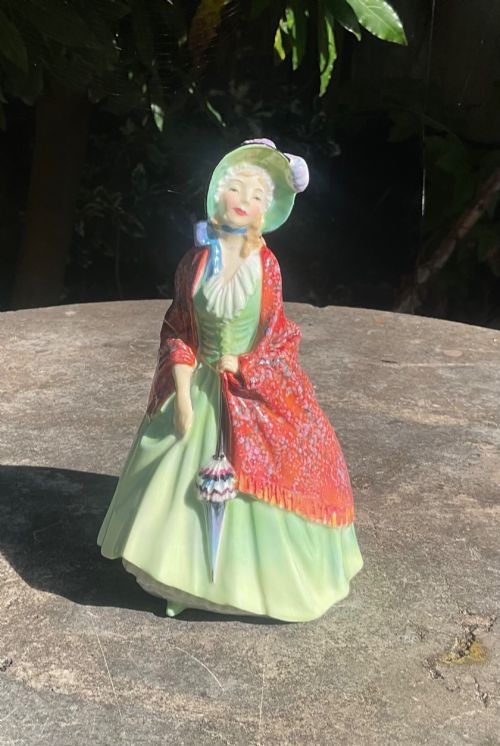
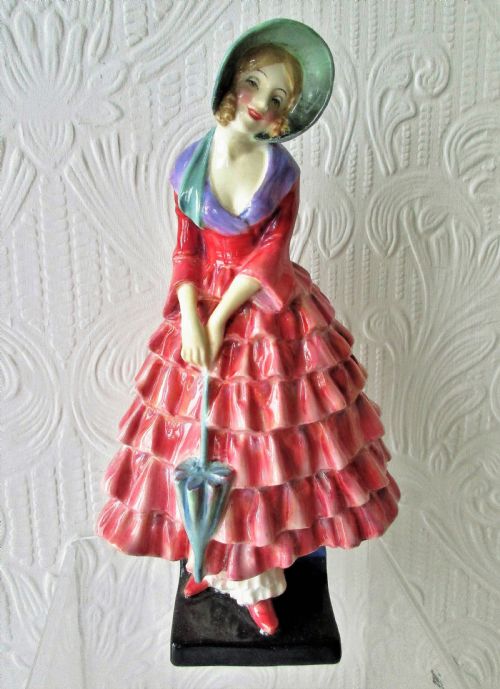
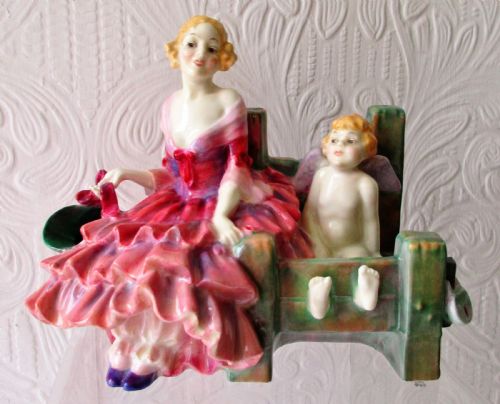
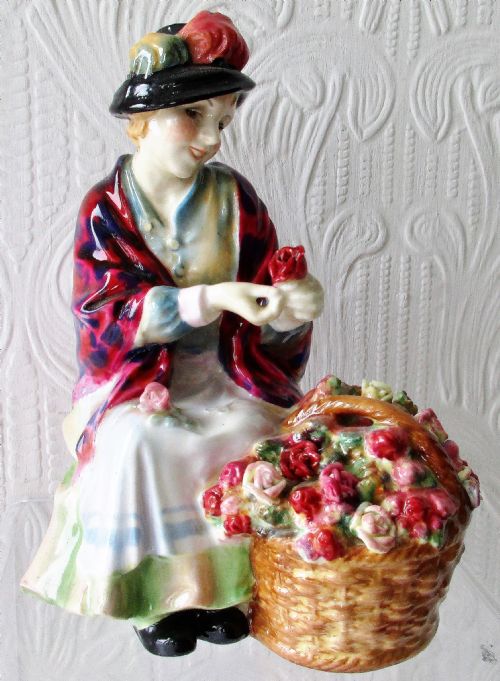
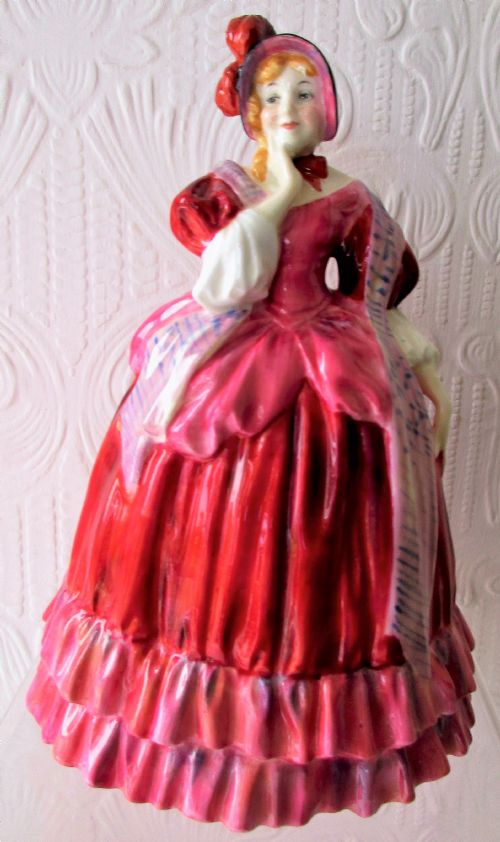
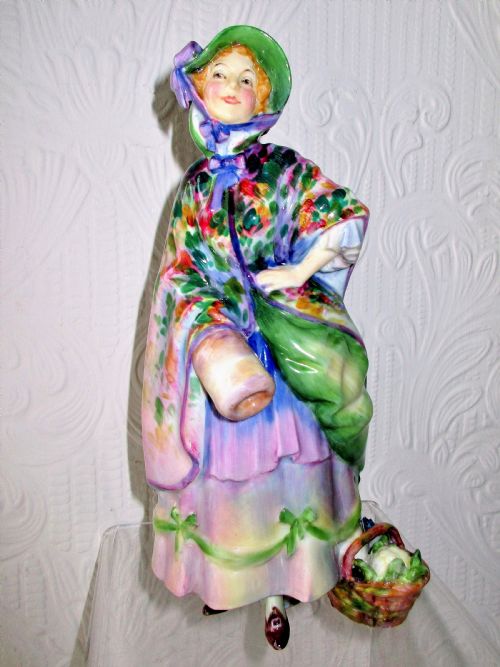
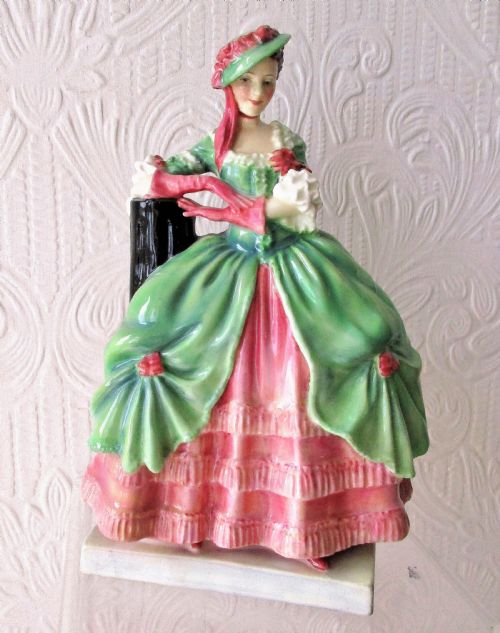
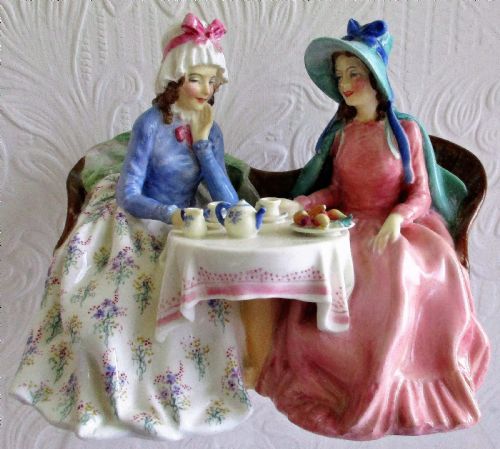
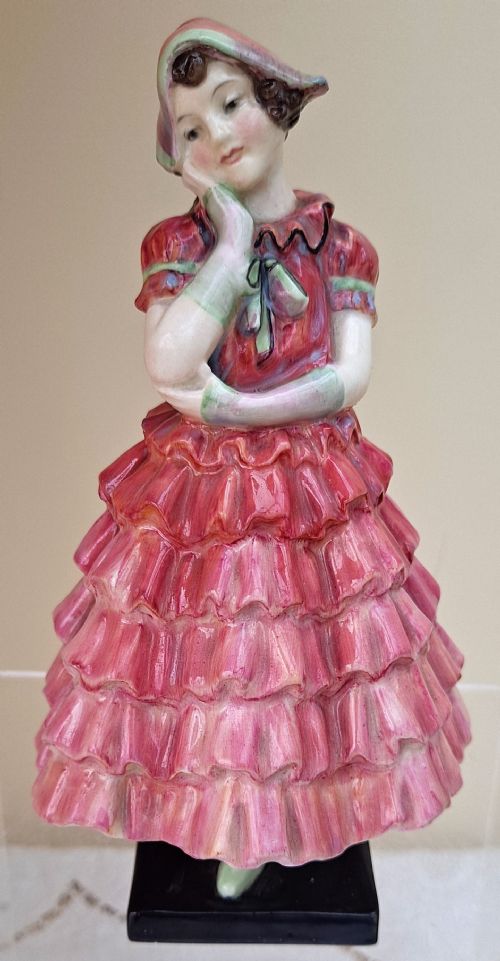
The version you are most likely to meet on this page is the hand-painted porcelain figurine from the 1930s, often bearing specific HN numbers like Chloe or Quality Street. These pieces capture historical and literary characters in mid-stride or quiet pose, reflecting the decorative tastes of early twentieth century England.
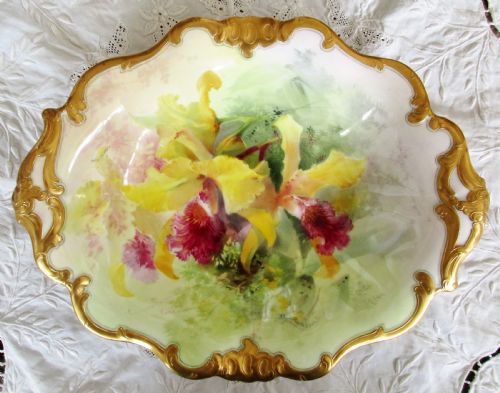
Alongside the figures, cabinet dishes painted with botanical subjects such as orchids demonstrate the versatility of the porcelain body. Dinnerware services from the Victorian era also appear, offering a glimpse into formal dining arrangements of the nineteenth century.
What varies in quality in royal doulton bone china
The distinction between tiers rests upon the precision of the hand painting and the crispness of the modelled detail in the porcelain. Early versions, such as first-year figure issues or pieces signed by specific artists like David Dewsberry, display superior execution in facial expressions and brushwork.
The application of enamel and gilding also separates standard production from finer examples. Uniformity in glaze finish and the subtlety of colour blending indicate higher skill levels in the pottery workshop.
Object forms include decorative figurines, cabinet dishes, vases, and dinnerware services.
Royal Doulton·David Dewsberry
The Royal Doulton Bone China Glossary
- Bone china
- A type of porcelain incorporating bone ash, yielding a strong, translucent ceramic body. This material allows for thin walls while maintaining durability.
- HN number
- A numbering system introduced by Royal Doulton to catalogue their figurine designs. It helps collectors identify the specific model and year of introduction.
- Cabinet dish
- A decorative plate intended for display in a cabinet rather than for daily dining use. These pieces often feature hand-painted botanical or scenic central motifs.
- Enamel
- A vitrescible composition applied to the glazed surface and fired to fix the colour. It provides rich hues for clothing and floral decoration on figures.
- Gilding
- The application of gold leaf or gold paint to edges and highlights. This technique enhances the decorative appeal of porcelain wares.
Royal Doulton Bone China: Frequently Asked Questions
What is royal doulton bone china?
Royal doulton bone china encompasses English porcelain items produced from the Victorian period through the 1940s. The selection includes figurines, vases, cabinet dishes, and dinner services.
These pieces reflect styles ranging from Art Deco and Rococo Revival to early twentieth-century decorative arts. Each item highlights the modelling and painting techniques of its era.
How do I identify a 1930s figurine?
Figurines from the 1930s often carry specific HN numbers in their titles, such as HN 1479 for Chloe or HN 1211 for Quality Street. These numbers correspond to factory records from the period.
Many of these figures depict named characters in historical dress. The materials and glaze styles of the time match this specific manufacturing window.
What styles appear in these listings?
The listings incorporate several distinct decorative movements including Art Deco, Rococo Revival, and Victorian Decorative. Mid-century decorative and Regency revival pieces also occur.
These styles dictate the moulding of the figures and the shape of the cabinet dishes. They show how design preferences shifted from nineteenth-century ornamentation toward twentieth-century forms.
How should I display cabinet dishes?
Cabinet dishes are designed primarily for visual display rather than functional table use. Placing them in a cabinet protects the delicate painted surface and gilt edges.
Items like the orchid dish painted by David Dewsberry benefit from placement away from direct sunlight. This preserves the enamel colours over time.
What is the difference between a figurine and a vase?
Figurines represent human characters, often taken from literature or history, modelled in porcelain and painted by hand. Examples include Dolly Vardon and Sweet Lavender.
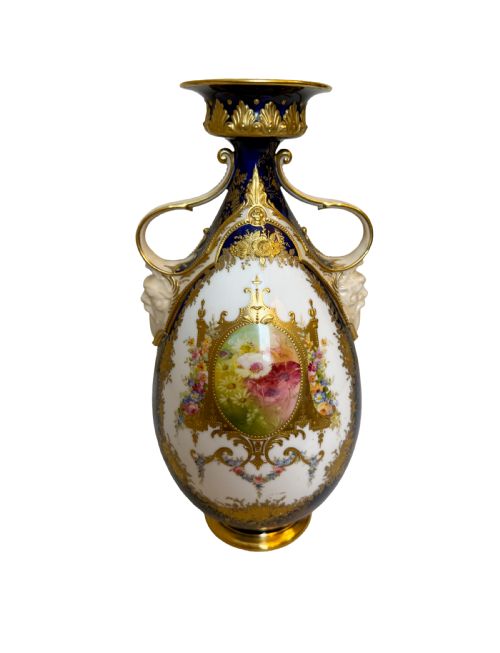
Vases serve as vessel forms intended for floral display or standalone ornament. Hand-painted vases from 1900 demonstrate pictorial skill on a curved ceramic surface.