
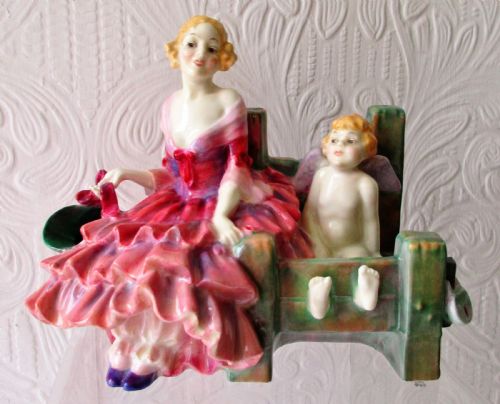
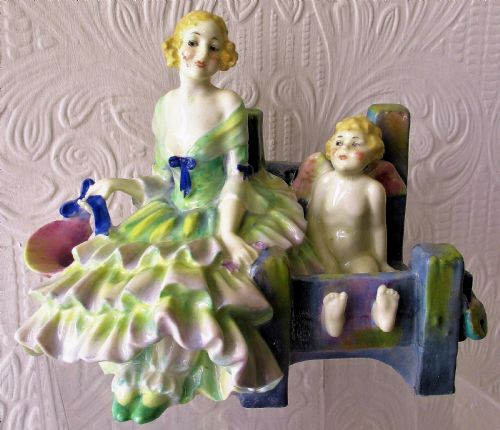


In the Stocks
These pieces gather under the stocks term to include antique firearms, militaria, timepieces, and porcelain figurines from the eighteenth to the twentieth centuries.
In the Stocks
When buyers search for in the stocks, they encounter a diverse assembly of antique firearms, militaria, timepieces, and decorative figurines. The selection spans the eighteenth, nineteenth, and twentieth centuries, offering items ranging from early flintlock pistols to mid-century wristwatches and porcelain figures.
Military hardware forms a significant portion of the offerings, including flintlock blunderbusses, percussion muskets, and rifles bearing period stamps. Alongside these martial arms, buyers find domestic objects like copper cookware and porcelain figurines alongside surplus inventory timepieces labelled as old stock.
How they were made
Makers utilised traditional forge and foundry methods, shaping steel, iron, copper, and brass into functional components for firearms and kitchen vessels. Wood stocks, notably walnut and oak, were shaped and fitted to metal barrels and lock plates.
Decorative elements frequently involved hand inlay work utilising bone, mother-of-pearl, and silver wire or mounts. Porcelain pieces such as figurines were cast in moulds and hand-painted before glazing and firing.
One pocket pistol comes equipped to travel safely, proving that historical travellers worried about highwaymen just as much as missing their trains.
What varies in quality
The degree of original finish and maker attribution separates standard military issue items from bespoke civilian pieces. Signed locks and engraved metalwork indicate higher levels of individual craftsmanship compared to mass-produced ordnance.
Preservation of surface details, such as crisp barrel stamps, intact wood inlays, and unpolished brass furniture, determines the desirability of antique firearms and edged items. Intricate detailing on porcelain figurines and the preservation of original packaging for vintage timepieces also influence overall standing.
John Manton And Son·Royal Doulton·John Rimes·La Motte·Timothy Hughes·R Willoughby·L Epee
The In the Stocks Glossary
- Flintlock
- An ignition mechanism for firearms that uses a piece of flint striking a steel frizzen to create sparks for black powder ignition. This system dominated military and civilian arms throughout the eighteenth and early nineteenth centuries.
- Percussion cap
- A small metal cup containing fulminate of mercury placed on a nipple to ignite the powder charge when struck by the hammer. It replaced the flintlock system in the nineteenth century.
- Blunderbuss
- A muzzle-loading firearm with a flared barrel designed to scatter shot at close range. It was commonly utilised by coach guards and for home defence.
- Stock
- The wooden body of a firearm that holds the barrel and lock mechanism together and allows the user to grip the weapon. Walnut and oak were frequently chosen for this component.
- Carriage clock
- A small, portable spring-driven clock designed for travellers, usually featuring a glass case and a carrying handle. These were popular during the nineteenth and twentieth centuries.
In the Stocks: Frequently Asked Questions
What periods do these items cover?
The inventory spans multiple centuries, starting from the early eighteenth century through the Georgian and Victorian eras up to the mid-twentieth century. Most antique firearms and copper vessels originate in the eighteenth and nineteenth centuries.
Later items, including porcelain figurines and wristwatches, date from the nineteen-thirties to the nineteen-sixties. This broad chronological range reflects both historical weaponry and modern surplus stock.
How were flintlock pistols used?
Flintlock pistols served as personal defence weapons for travellers, military officers, and civilians during the eighteenth and early nineteenth centuries. Users loaded them manually with black powder and lead shot through the muzzle.
The ignition relied on a spark generated by flint hitting steel to ignite the powder charge. They were kept in holsters, travel cases, or pockets for immediate protection.
What is the difference between flintlock and percussion?
Flintlock mechanisms utilise a piece of flint held in a cock to strike a steel frizzen, creating sparks that fall into a priming pan. This technology was standard from the seventeenth through the early nineteenth centuries.
Percussion systems, introduced later, use a hammer striking a primed copper cap placed over a nipple. This later method proved more reliable in damp weather conditions.
How should copper cookware be displayed?
Antique copper pans and pots benefit from placement in kitchens or dining areas where their metallic warmth complements traditional interiors. Hanging them from sturdy hooks or displaying them on open shelving highlights their handmade construction and historical character.
Keeping them away from excessive moisture preserves the exterior finish without requiring constant polishing.