

Hand Painted Porcelain Ornament
These hand painted porcelain ornament selections bring together centuries of modelled figures, animals and decorative pieces from European and Asian kilns.
Hand Painted Porcelain Ornament
A hand painted porcelain ornament is typically a modelled figure, animal, centrepiece or vase created in European factories and Asian kilns. When searching for this phrase, collectors encounter pieces spanning from the eighteenth century through to the mid-twentieth century.
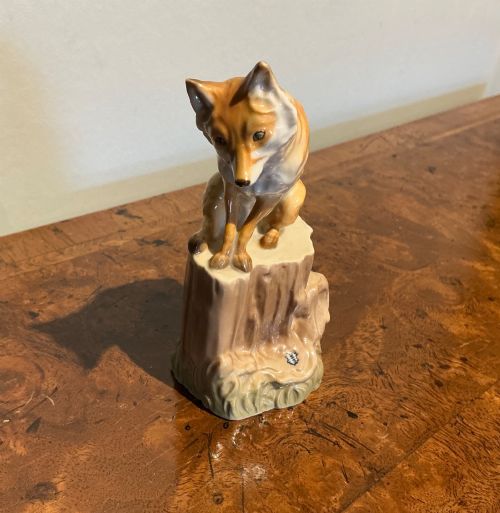
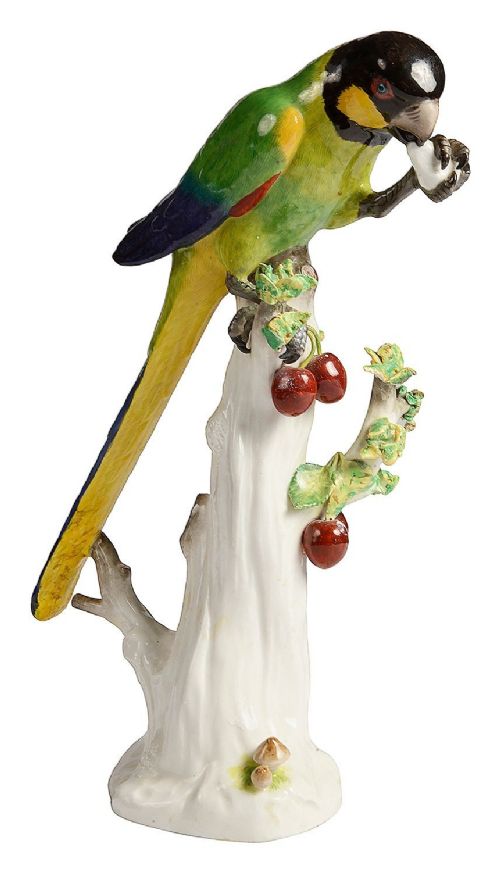
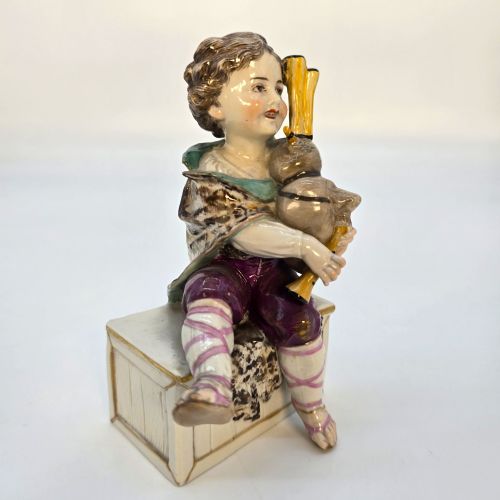
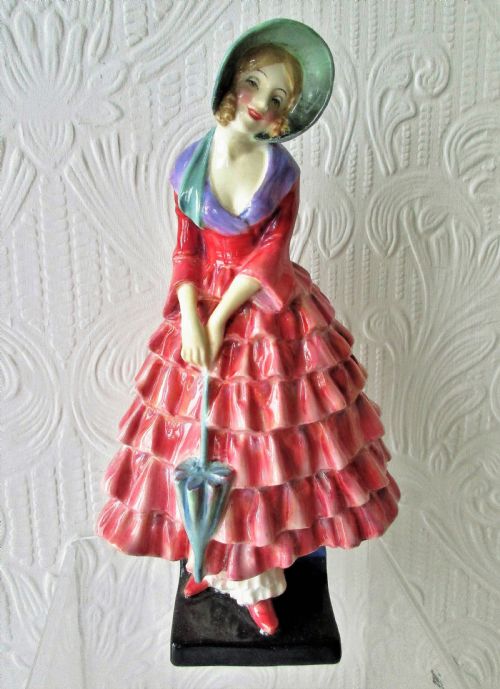
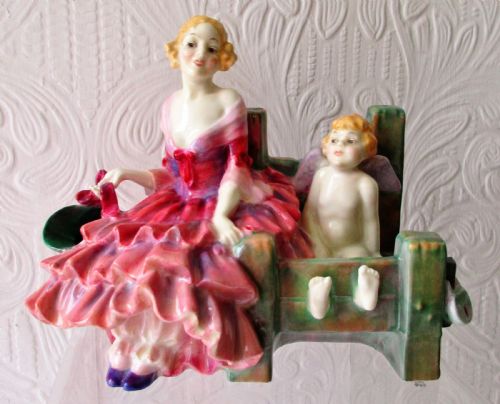
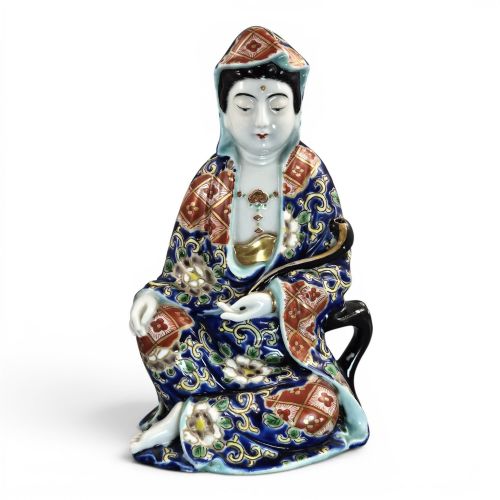
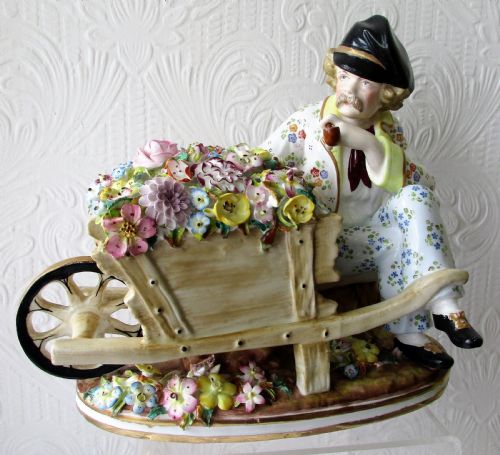
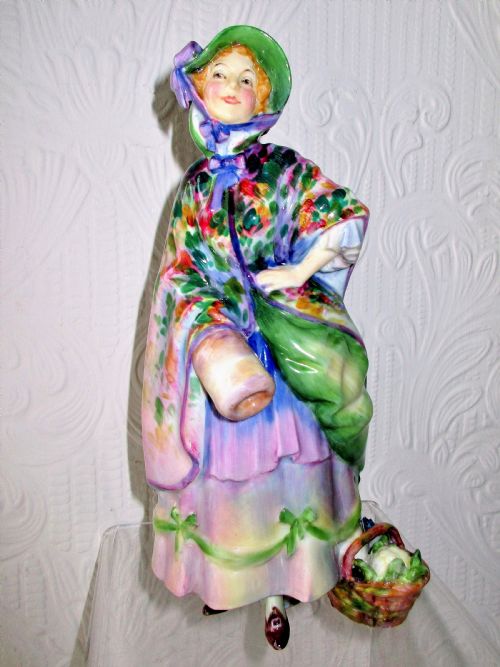
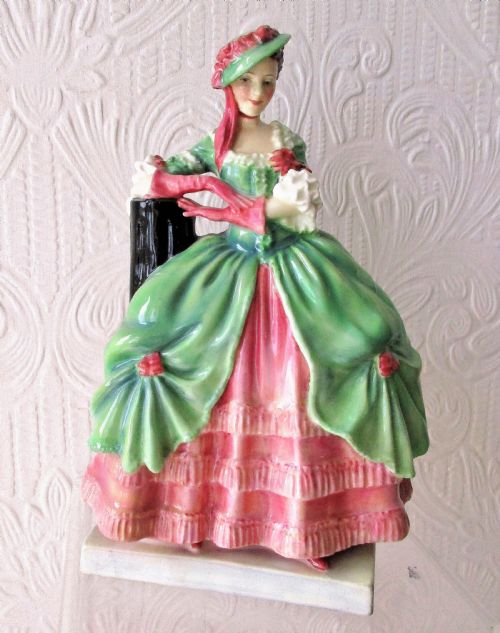
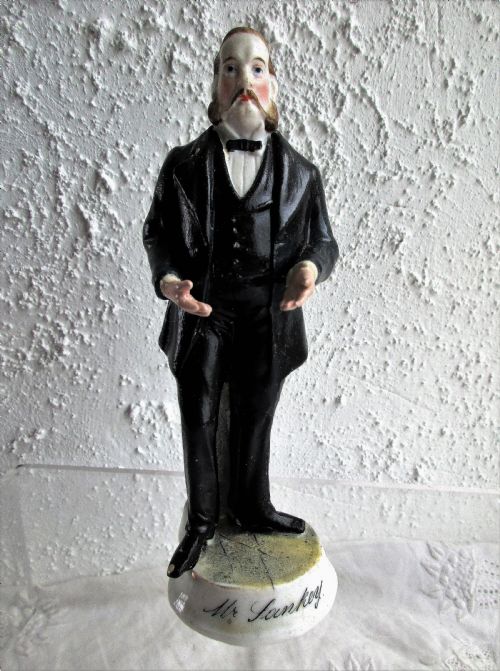
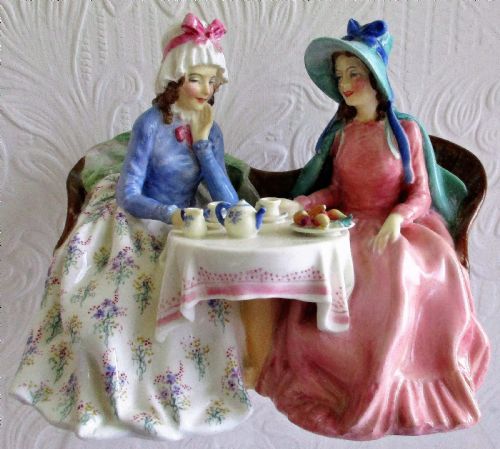
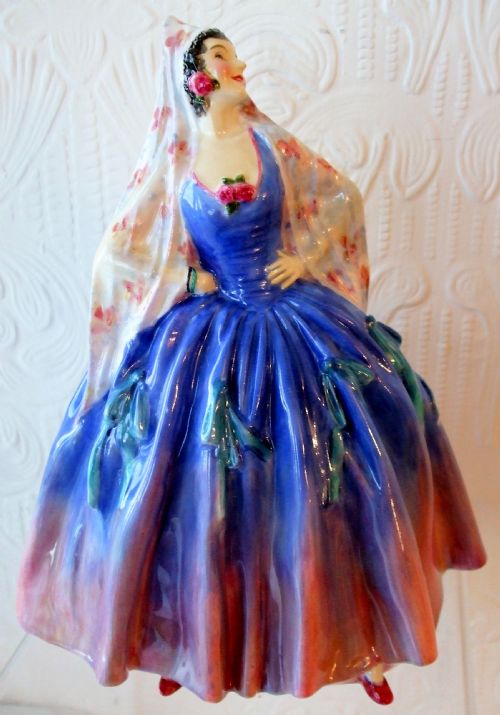
The selections on this page heavily feature nineteenth-century German and English figures, alongside figures from Meissen, Derby and Royal Doulton. Centrepieces, birds, foxes and human subjects reflect the varied output of these historic workshops.
How they were made
Makers shaped hard-paste porcelain or bone china in moulds before applying detailed hand-painted enamel decoration. Artisans then utilised gold leaf, gilt and specialised glazes to highlight specific details of the form.
Firing techniques varied across factories such as Meissen, Derby and Volkstedt, where high temperatures set the body and glaze. Skilled painters added precise colour work over the final glaze surface before a secondary low-temperature fix.
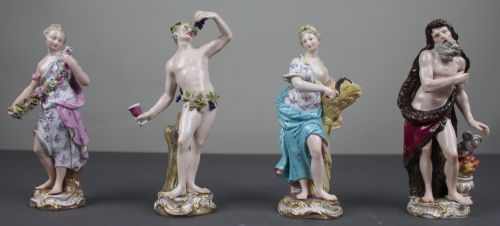
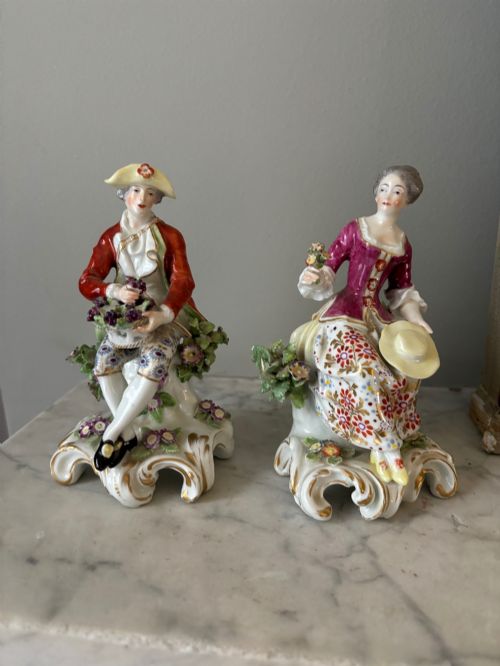
Select figures wear elaborate eighteenth-century dress while holding grapes, fishing nets or resting beside watchful foxes.
What varies in quality
The handling of gilt and gold leaf separates standard production from finer output. Careful brushwork on animals, foliage and garments indicates superior artistic execution.
Royal Doulton·Nymphenburg·Meissen·Volkstedt Rudolstadt Factory·Kutani·John Bevington·La Coutille Factory·Samson of Paris·Derby·Royal Worcester
The Hand Painted Porcelain Ornament Glossary
- Bone china
- A type of soft-paste or porcelain containing bone ash, developed to improve durability and whiteness. It allows for thinner vessel walls while retaining structural strength.
- Bocage
- A decorative background of clustered leaves and flowers applied behind figures in eighteenth and nineteenth-century porcelain. It is commonly found on English models from Derby.
- Enamel
- Vitreous material fused to the surface of porcelain during low-temperature firing for decoration. It provides the vivid colours seen on hand-painted garments and natural motifs.
- Gilt
- A thin layer of gold applied to the surface of porcelain as a decorative accent. It ornaments borders, clothing edges and structural details.
- Hard-paste porcelain
- A dense, vitrified ceramic composed of kaolin and petuntse, fired at high temperatures. It resists scratching and possesses a bright white body.
Hand Painted Porcelain Ornament: Frequently Asked Questions
How do I identify eighteenth-century pieces?
Eighteenth-century examples often display specific factory marks, such as crossed swords for Meissen or anchor marks for Chelsea and Derby. The modelling tends to be lighter and more fluid, reflecting Rococo influences.
Examination of the paste and glaze under magnification reveals the older manufacturing methods used by these early European potteries.
What subjects are most common?
Human figures form a large category, ranging from classical subjects and street traders to Victorian characters and literary figures. Animals, birds and architectural centrepieces also appear frequently across the periods.
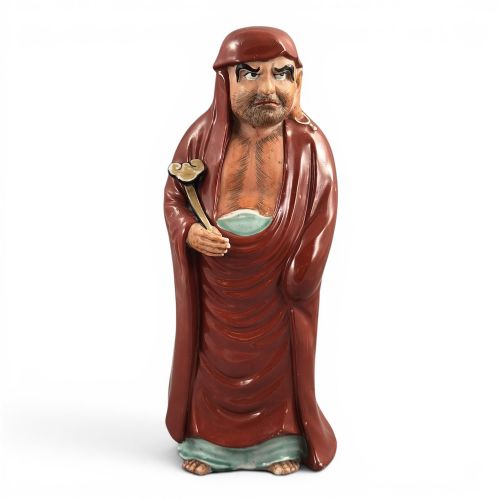
Japanese okimono figures and Chinese porcelain ducks represent the Asian tradition present in these selections.
How were these ornaments displayed?
Ornaments like vases, centrepieces and pairs of figures were placed on mantelpieces, side tables and dining room furniture to display wealth and taste. They served as decorative focal points in formal rooms.
Smaller figurines found places on cabinets and brackets alongside other ceramics.
How do I care for antique porcelain?
Dusting with a soft, dry brush prevents the accumulation of dirt on delicate painted surfaces and intricate modelled areas like foliage. Avoid using abrasive cloths or modern cleaning chemicals.
Display pieces away from direct sunlight and areas subject to sudden temperature shifts to protect the glaze and enamel.