
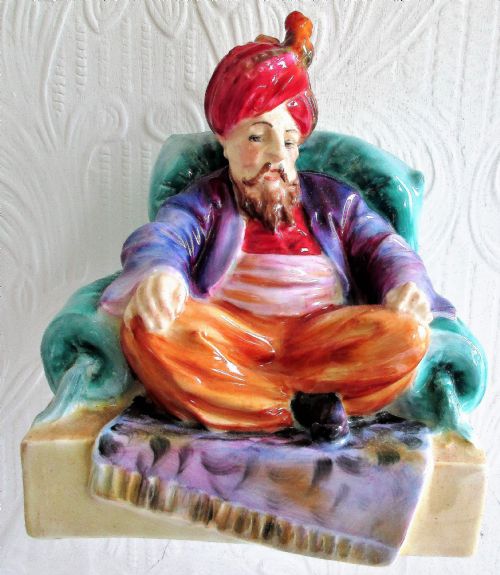


English China Statuette
An english china statuette brings cabinet figures from the eighteenth and twentieth centuries directly into domestic spaces through modelled ceramic art.
English China Statuette
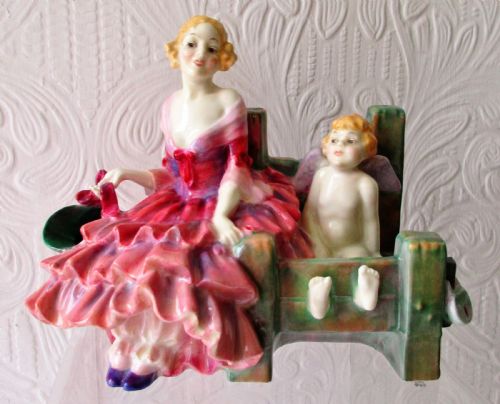
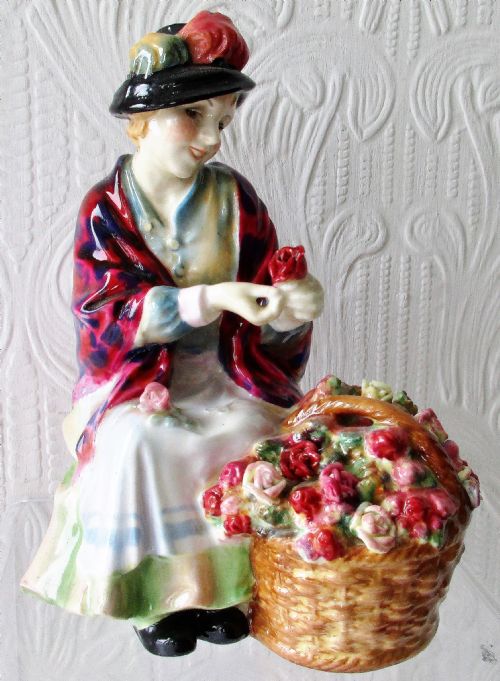
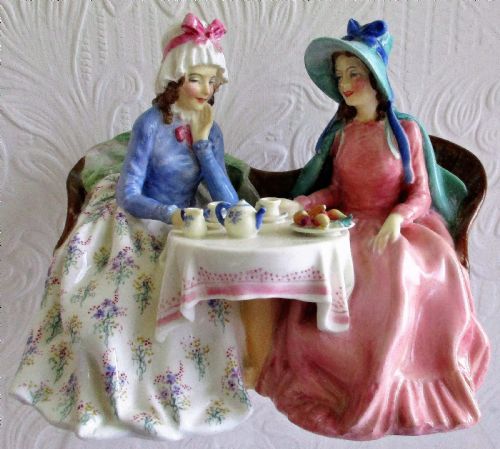
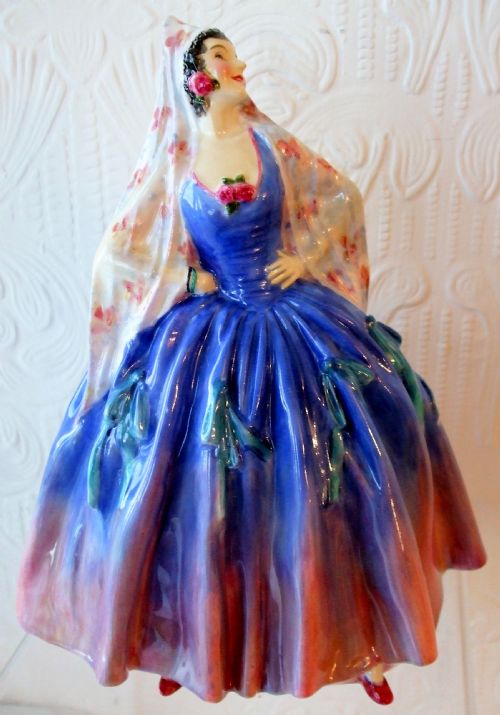
When searching for an english china statuette, collectors encounter diverse ceramic figures spanning the eighteenth, nineteenth, and twentieth centuries. These pieces represent human subjects, theatrical characters, allegorical figures, and seasonal representations modelled by historical British factories. Figures range from early soft-paste porcelain productions with hand-painted details to later bone china and porcelain models from the twentieth century.
The selections on this page lean heavily towards mid-twentieth-century porcelain figurines alongside eighteenth-century works from factories such as Bow, Derby, and Chelsea. Buyers will find seated rustics, street vendors, literary subjects, and named character models bearing historical factory marks and registration numbers. Forms span single figures, pairs, and group compositions reflecting styles from Rococo Revival to Art Deco.
Materials and production methods
Makers shaped these figures using soft-paste porcelain, bone china, and standard porcelain bodies, fired to form a solid ceramic base. Craftsmen applied ceramic glazes and hand-painted enamel colours directly onto the sculpted surfaces, occasionally incorporating gold leaf and gilt highlights. Early eighteenth-century pieces relied on specialised soft-paste recipes that required precise kiln temperatures, while later twentieth-century pieces utilised refined bone china compositions.
Modelling involved pressing clay into moulds or hand-modelling intricate details such as flower petals, garments, and facial expressions. Painters then applied enamel pigments by hand before a final glaze firing sealed the colours into the ceramic surface. This technique produced the distinct pastel hues and glossy finishes characteristic of historical English figures.
A tiny boy drummer from the mid-eighteenth century beats a rhythm frozen in porcelain for nearly three hundred years.
Judging quality and execution
Another factor is the fidelity of the factory mark and the historical integrity of the piece. Well-preserved early figures retain their original enamel brightness and clean glaze surfaces, reflecting careful kiln placement and expert raw material selection during production.
Royal Doulton·Derby Porcelain·Bow Porcelain·Royal Worcester·Minton·Chelsea Porcelain
The English China Statuette Glossary
- Soft-paste porcelain
- A ceramic composition containing glass frit and white clay, fired at lower temperatures than hard-paste porcelain. This material characterises many eighteenth-century figures from factories like Bow and Chelsea.
- Bone china
- A porcelain body incorporating animal bone ash for added strength and translucency. It became a standard medium for twentieth-century figure production.
- Gold leaf
- Thinly beaten gold applied to glazed ceramic surfaces for decorative trim. It provides metallic highlights on garments and bases.
- Enamel
- Vitreous pigments applied over or under the glaze to supply colour. Painters used enamels to render clothing, hair, and floral details by hand.
- Glaze
- A glassy coating fused to the ceramic body during firing. It provides a protective, glossy finish that seals the porous clay underneath.
English China Statuette: Frequently Asked Questions
What periods do these figures cover?
The pieces span from the mid-eighteenth century through the Georgian and Victorian eras up to the mid-twentieth century.
Early examples date back to the seventeen-forties and sixties, while later works include twentieth-century bone china items.
How were these figures painted?
Decorators applied enamel colours and gold leaf by hand onto the glazed or biscuit porcelain bodies.
Painters used fine brushes to render facial expressions, garments, and naturalistic details before final firing.
How can I identify the factory?
Factory attribution relies on painted or impressed marks, anchor symbols, model numbers, and characteristic paste types.
Stylistic traits such as palette choices and modelling techniques also point toward specific historical potteries.