


Gold Decorative Urns
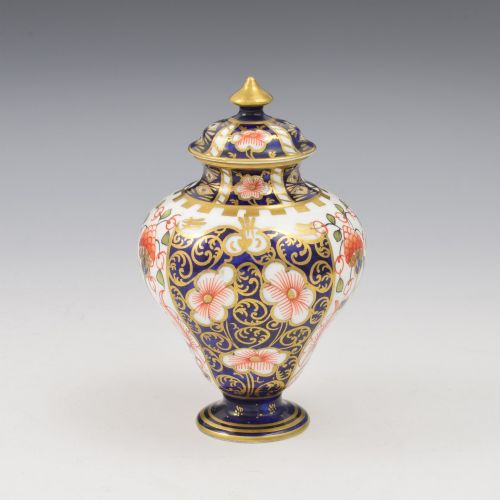
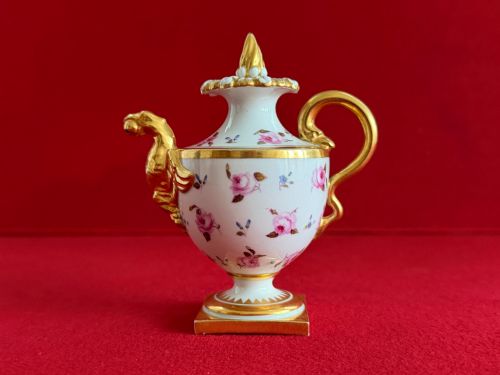
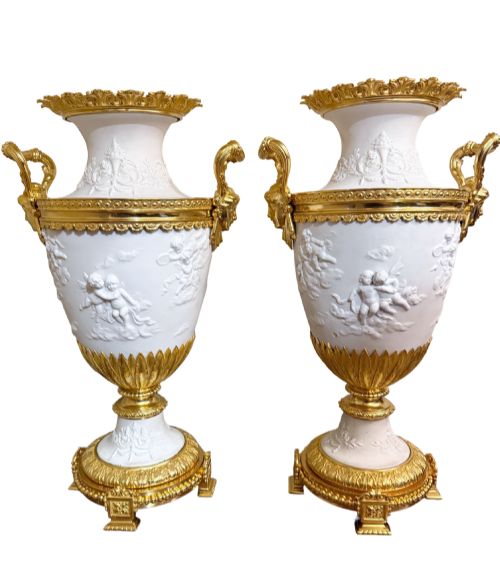
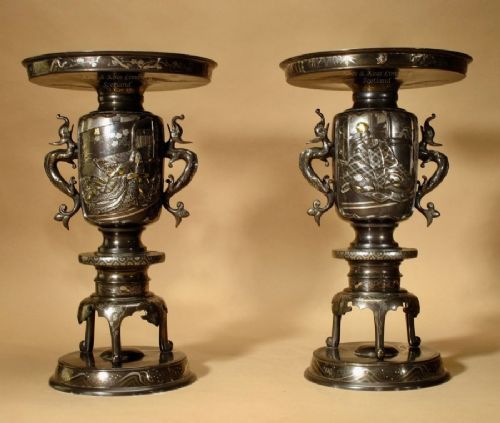
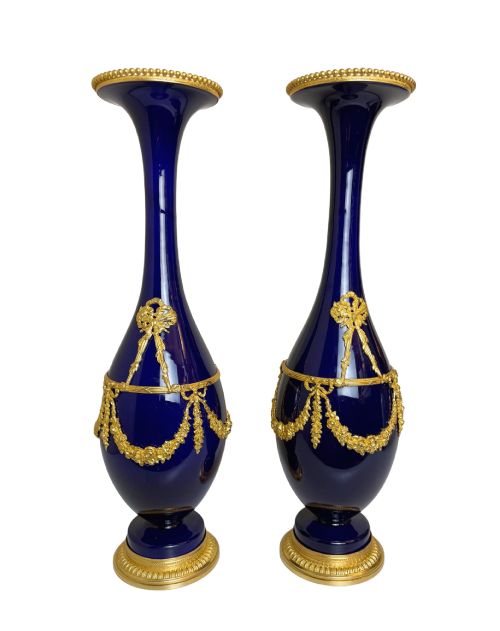
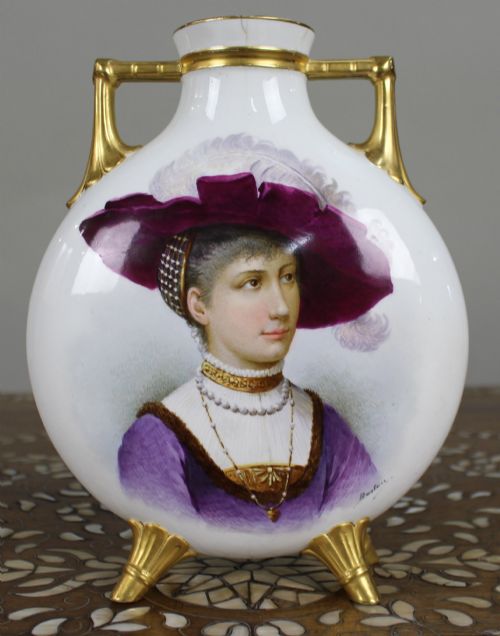
When you search for gold decorative urns, you encounter neoclassical bronzes, hand-painted porcelains, and Japanese satsuma vessels that bring classical form and metallic lustre to an interior.
Gold Decorative Urns
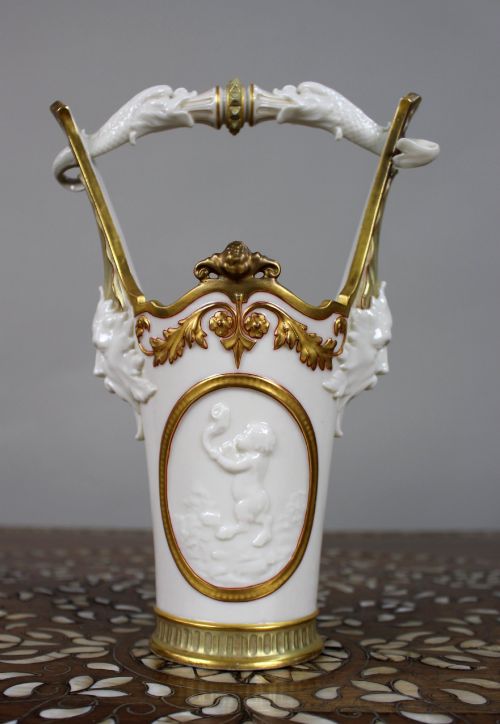
Gold decorative urns encompass a diverse selection of classical vessels, mantel ornaments, and covered vases originating primarily from the nineteenth century. These objects draw upon neoclassical designs, French ormolu mounts, and English porcelain traditions to create striking focal points.
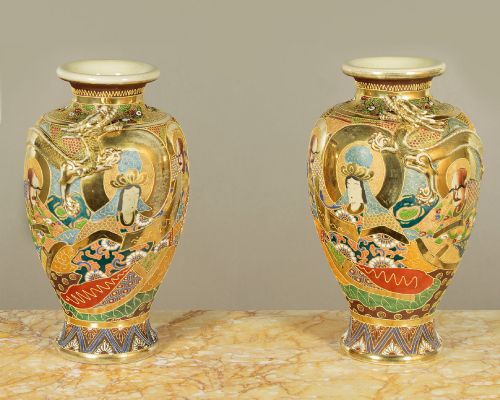
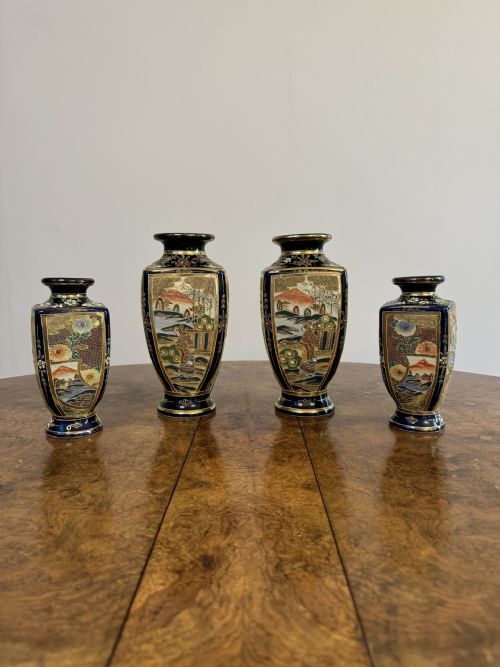
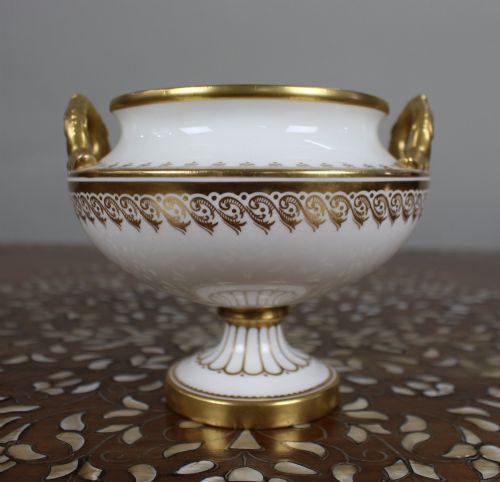
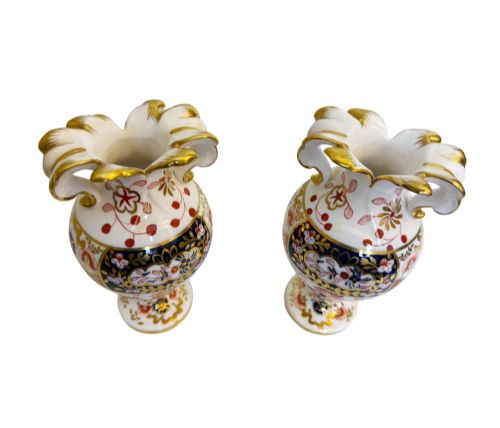
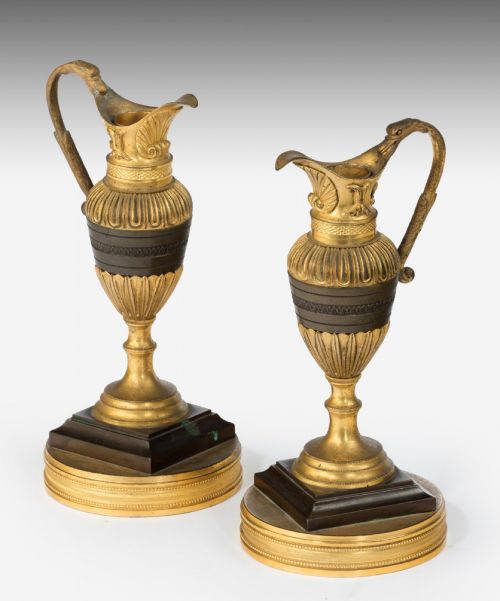
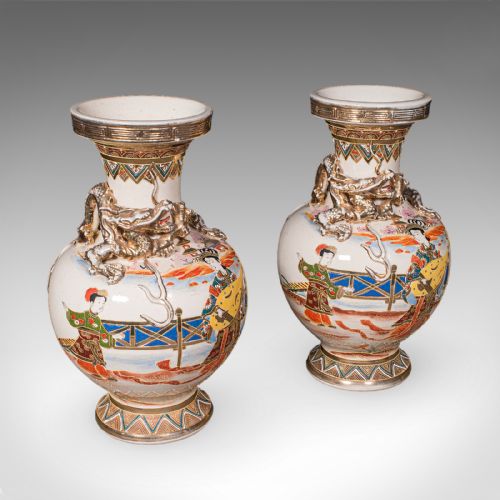
You are most likely to meet nineteenth-century porcelain urns with twin handles, gilt bronze reductions of ancient vessels, or Japanese earthenware vases featuring intricate gilding. These pieces range from Coalport campagna shapes to Satsuma garnitures produced during the Meiji period.
How they were made
Maker's workshops combined porcelain, earthenware, and glass bodies with applied gold leaf, enamel work, and mercuric gilding known as ormolu. Artisans painted floral motifs by hand, fired ceramic bodies multiple times to set complex glazes, and cast bronze components before applying fine surface chasing.
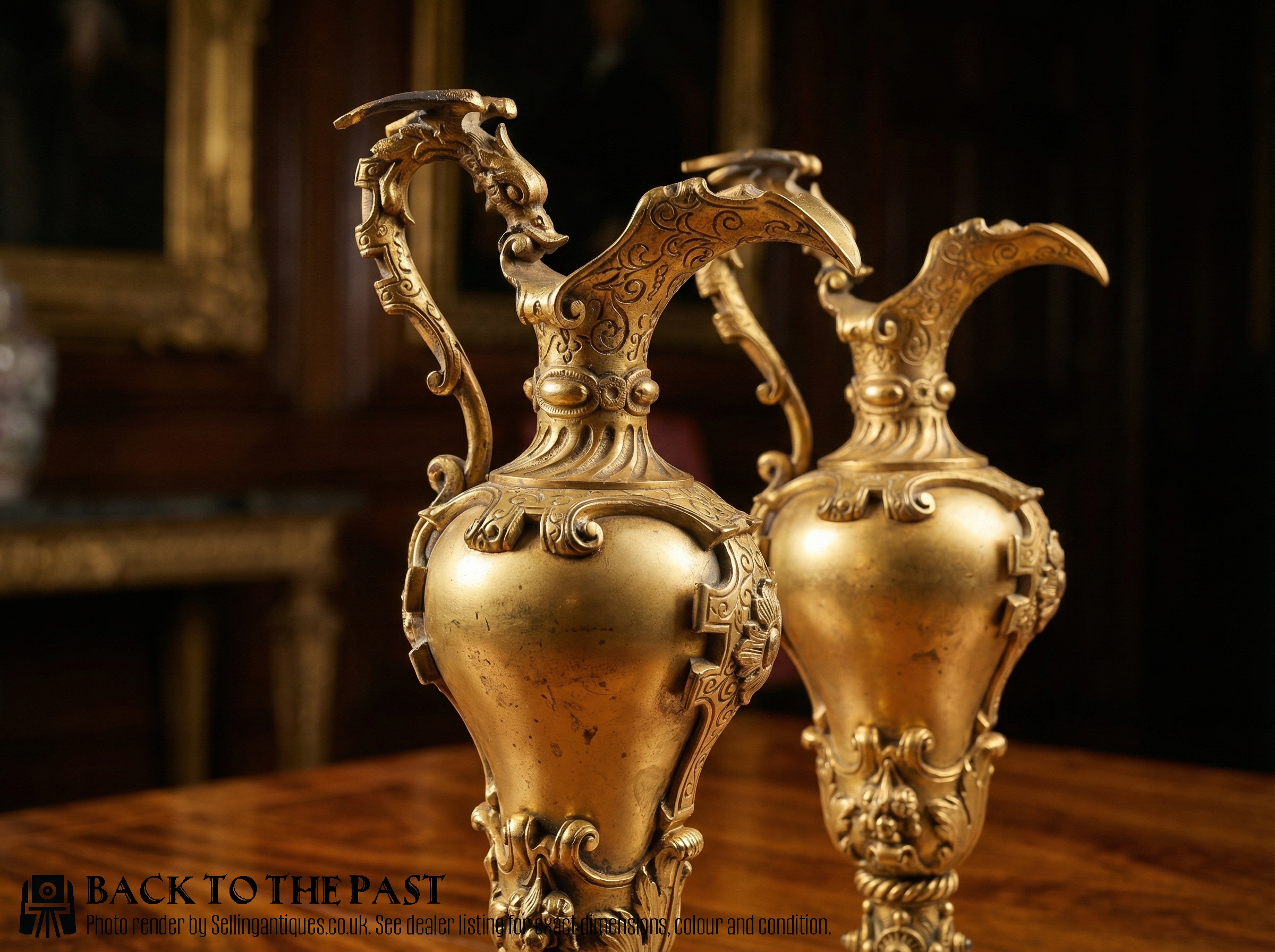
Gilt bronze and ormolu elements required skilled metalworkers to cast intricate details such as ram's head masks and classical swags, which were then fitted meticulously to ceramic vessels or carved wooden frames.
What varies in quality
The standard of a piece depends on the crispness of the bronze casting, the delicacy of the hand-painted enamel, and the purity of the gilding applied to the surface. Superior examples exhibit finely detailed chasing on metal mounts and masterfully controlled firing in the porcelain kiln.
Lesser items show mechanical uniformity in painted designs and softer, less defined casting in the metal elements, indicating mass production rather than individual artisan attention.
Royal Crown Derby·Flight Barr and Barr·Royal Worcester·Coalport·Minton
The Gold Decorative Urns Glossary
- Ormolu
- A technique of applying finely ground high-carat gold to a bronze object using a mercury amalgam. This method produces a durable, rich metallic finish seen on many nineteenth-century French decorative pieces.
- Satsuma
- Japanese earthenware pottery characterised by a ivory craquelure glaze decorated with rich colours and gold leaf. These pieces originated in the Satsuma Province and gained immense popularity during the Meiji period.
- Champlevé
- An enamelling technique where troughs or cells are hollowed out of a metal surface and filled with vitreous paste before firing. The resulting design sits flush with the surrounding gilded metal partitions.
- Garniture
- A set of three or more matching decorative vases or urns designed to be displayed together on a mantelpiece or sideboard. These matching sets often include a central covered urn flanked by smaller matching vases.
Gold Decorative Urns: Frequently Asked Questions
What are gold decorative urns used for?
These vessels served primarily as mantel ornaments, garniture sets, or decorative centrepieces in nineteenth-century drawing rooms. Their classical proportions and metallic finishes were intended to display refined taste and wealth.
Today, collectors use them to add architectural structure and warm metallic tones to period and contemporary interiors alike.
How do I identify a nineteenth-century bronze urn?
Nineteenth-century bronze and ormolu urns often draw inspiration from Grand Tour souvenirs and archaeological discoveries such as the Warwick Vase. Look for heavy cast construction, hand-chased details, and classical motifs like acanthus leaves and animal masks.
French pieces from this era frequently feature fire-gilt surfaces that display a soft, deep lustre rather than the bright yellow shine of modern electroplating.
What is the difference between Satsuma and European porcelain?
Satsuma ware consists of a cream-coloured earthenware body with a characteristic fine crackle glaze, heavily decorated in enamels and raised gold. European porcelain uses a dense, vitrified ceramic paste fired at higher temperatures.
While European factories like Worcester and Coalport focused on neoclassical shapes and botanical painting, Japanese Satsuma focused on intricate narrative scenes and dense floral patterns.