



Antique Brass Ewers
These antique brass ewers bring sculptural weight and historical metalwork to a room, offering both decorative presence and functional form.
Antique Brass Ewers
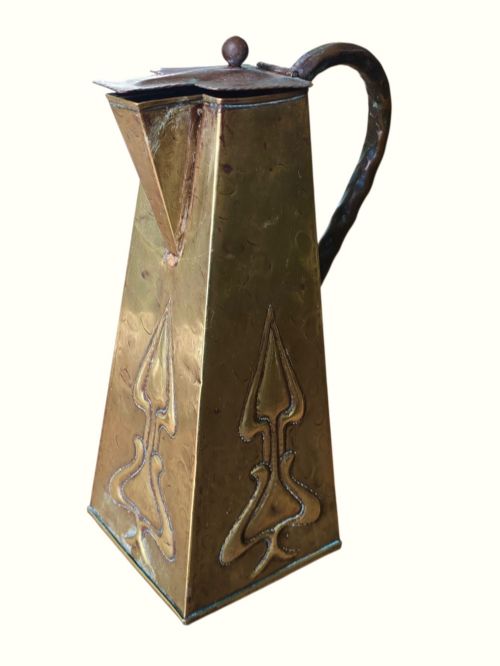
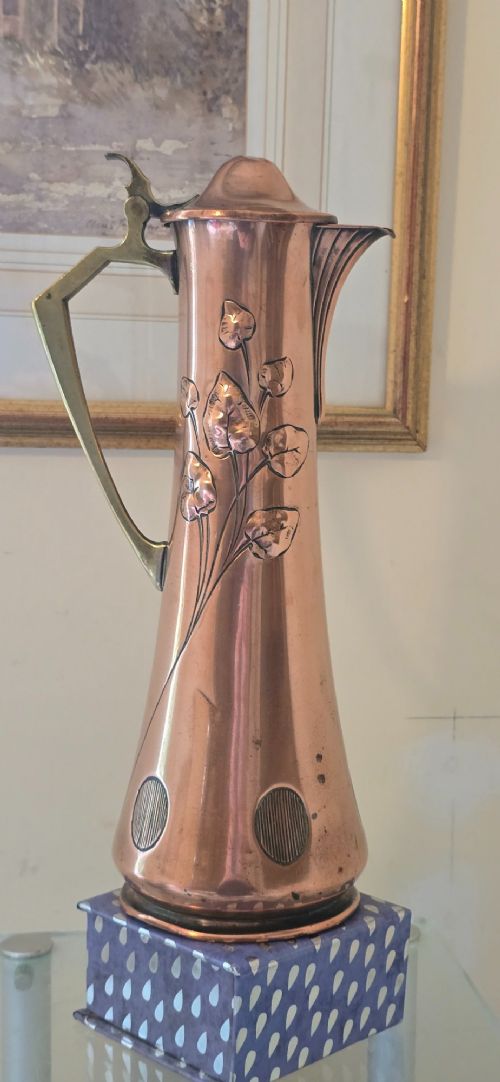
When searching for antique brass ewers, buyers encounter a diverse selection of decorative vessels spanning several centuries and design traditions. The pieces appearing here range from domestic water jugs to monumental ceremonial vessels and converted table lamps.
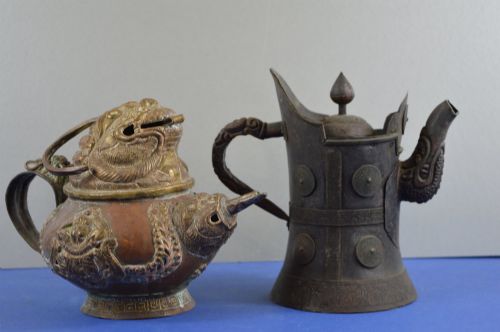
Victorian examples dominate the selection, often featuring ornate cast ornamentation and classical revival styles. Alongside these British pieces, French gilt metalwork, Tibetan ceremonial vessels, and Middle Eastern copper coffee pots appear within the listings.
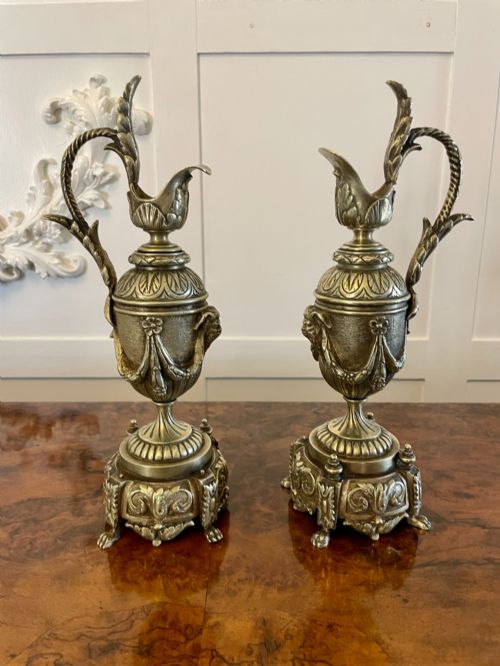
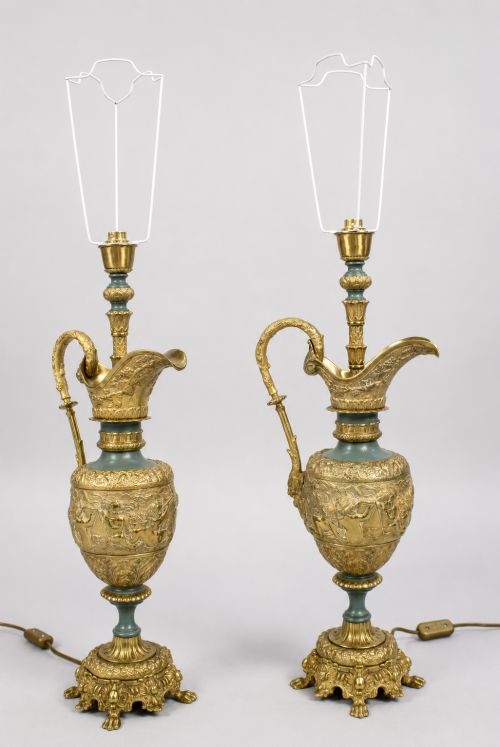
Forms vary from pairs of heavy cast decorative ewers to single tall jugs and ewer form table lamps. These objects serve primarily as decorative focal points, drawing on centuries of metalworking traditions from Europe and beyond.
How they were made
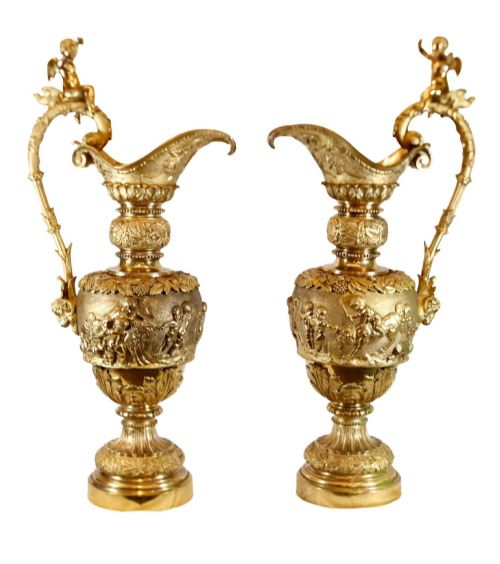
The construction of these vessels relies heavily on brass, copper, and bronze, often enhanced through gilt bronze or ormolu finishes. Makers employed casting techniques to achieve the sculptural handles and relief motifs seen on Victorian and French pieces.
Surface decoration frequently incorporates cloisonné enamel, floral relief work, and ebonised wood details. Metal surfaces were polished, chased, or gilded to catch the light and accentuate the varied contours of each vessel.
Antique Brass Ewers Retail Price Guide 2026
Typical asking prices for brass ewers among the pieces listed under this phrase on Sellingantiques today, from the lower quarter to the upper quarter. They describe what is for sale here now, not the wider market.
Materials across these listings span brass, copper, gilt bronze, ormolu, enamel, and ebonised wood.
What varies in quality
Quality in these metal vessels rests upon the crispness of the casting and the depth of the chased detail. Heavier cast bronze and ormolu pieces display sharper relief in figural elements like cherubs and mythological motifs compared to lighter press formed alternatives.
The sophistication of the design and the integrity of the materials determine the standing of an individual ewer. Superior examples maintain intact gilding, well fitted handles, and balanced proportions across pairs.
H F Fearncombe and Co·WMF
The Antique Brass Ewers Glossary
- Ewer
- A large jug with a wide spout and handle, traditionally used for holding water or wine. In antique contexts, these vessels serve a purely decorative function.
- Ormolu
- Finely ground high-carat gold mercury gilding applied to a bronze object. This technique imparts a rich, lasting metallic lustre to French decorative pieces.
- Cloisonne
- An ancient technique for decorating metalwork objects using enamel held within thin metal strips. Artisans solder wires to the vessel body before filling the compartments with vitreous paste.
- Bacchus
- A classical motif depicting the Roman god of wine, frequently appearing on handles and body reliefs of nineteenth century revival metalwork. These figural elements often incorporate cascading grapes and vine leaves.
Antique Brass Ewers: Frequently Asked Questions
What were antique ewers used for?
Historically, ewers functioned alongside basins for hand washing at the dining table or served liquids in domestic settings. Many nineteenth century examples were created strictly as decorative cabinet pieces or garnitures.
Over time, the practical utility faded, leaving these metal vessels valued purely for their sculptural form and decorative impact in domestic interiors.
How do I clean an antique brass ewer?
Cleaning requires a gentle approach to preserve the original metal surface and any patination accumulated over the decades. Strong chemical polishes strip away the aged character that collectors value in antique metalwork.
Dusting with a soft dry cloth is usually sufficient for regular maintenance. If washing is necessary, use warm water and mild soap, drying the metal thoroughly immediately after.
How do I date a brass ewer?
Dating relies on examining the manufacturing techniques, stylistic influences, and material composition visible on the piece. Victorian examples often show distinct Gothic or Neoclassical revival motifs.
Marks stamped into the metal can identify specific makers or production periods. Comparing the casting quality and assembly methods helps place the ewer within the nineteenth or twentieth century.
Can I use an ewer as a lamp?
Some antique ewers are adapted as table lamps during the nineteenth or twentieth century, incorporating electrical fittings through the central body. These converted pieces retain their original silhouette while serving a modern lighting function.
When purchasing a lamp conversion, check the wiring to ensure it meets contemporary safety standards. The structural alteration of the metal vessel is part of its historical record.