



Ornate Brass Urns
Ornate brass urns bring heavy classical presence to a room, combining cast metalwork with porcelain, marble, or enamel to anchor a mantelpiece or side table.
Ornate Brass Urns
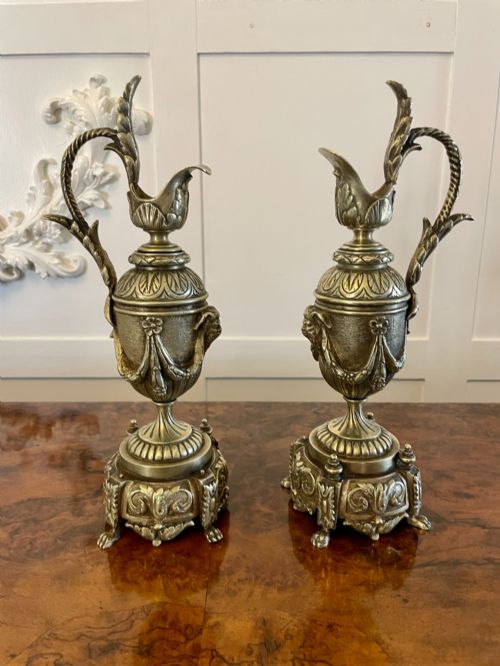
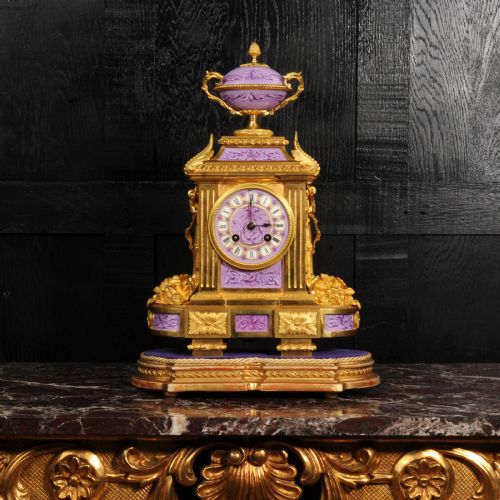
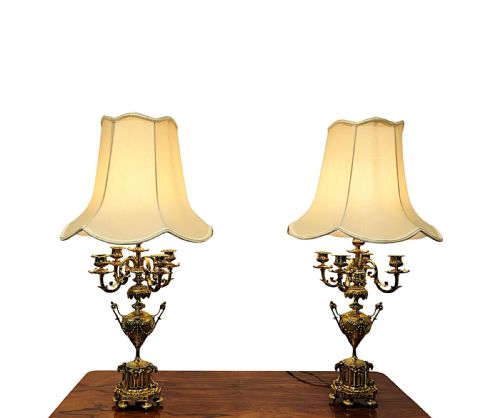
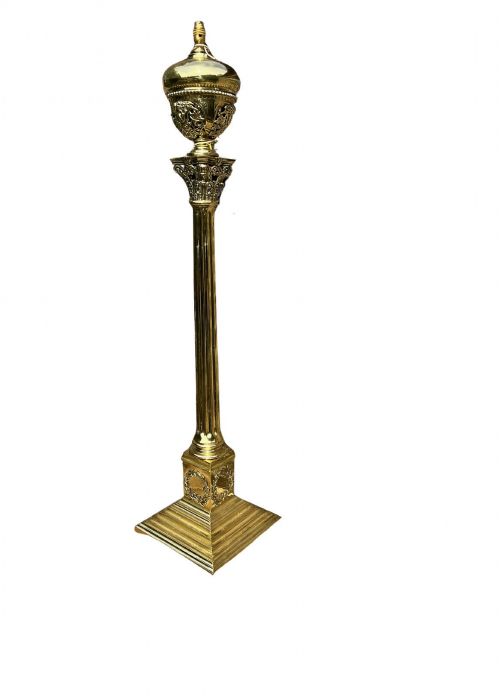
Ornate brass urns encompass decorative vessels, lamps, and clock garnitures spanning the nineteenth and early twentieth centuries. The selection leans heavily toward French Rococo Revival, Louis XVI Revival, and Victorian production forms.
Buyers encounter distinct utilitarian ancestors alongside purely decorative items in this search. Copper samovars and tea urns sit alongside porcelain-mounted jardinières, decorative ewers, and heavy candelabras.
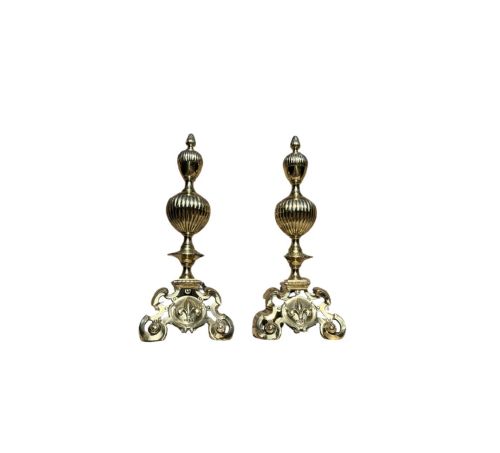
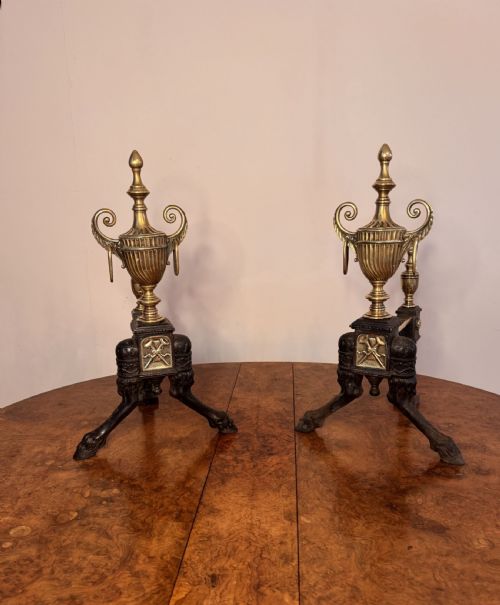
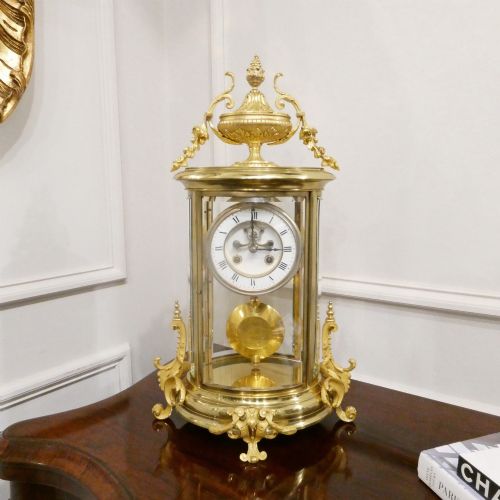
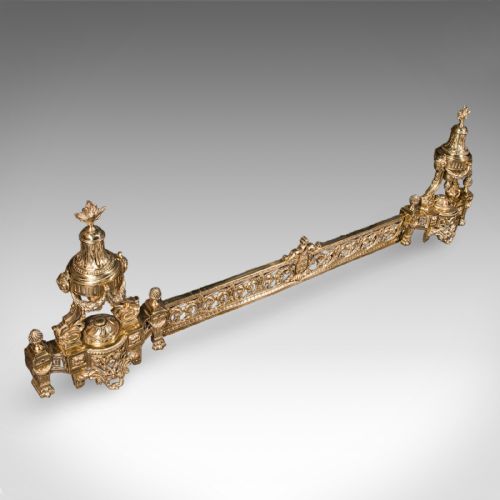
Continental output dominates the forms, particularly French ormolu and gilt bronze creations incorporating white marble or onyx bases. English Victorian brass fenders and fire screens also appear under this broad classification.
How they were made
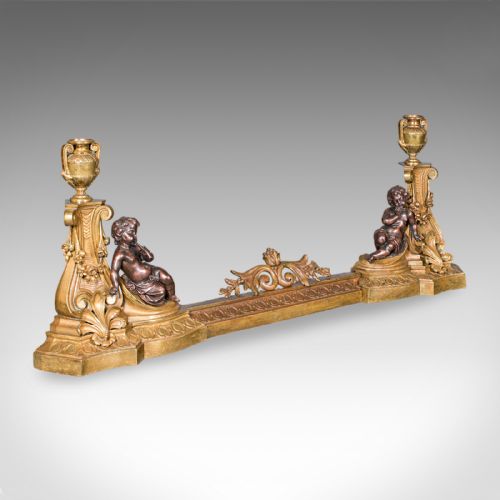
Foundry work relies on sand casting and lost-wax methods for heavy brass, bronze, and ormolu components. Chasing and hand-finishing sharpen the cast details of acanthus leaves, cherubs, and classical motifs.
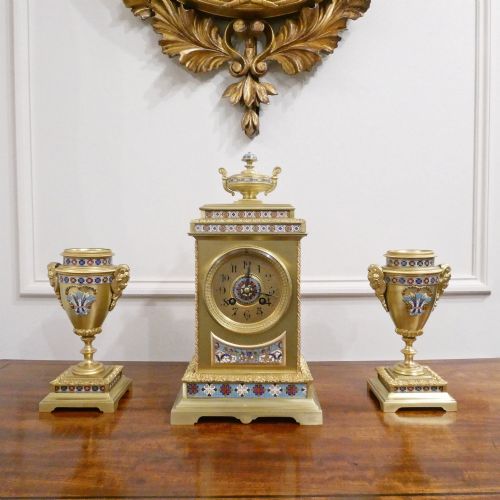
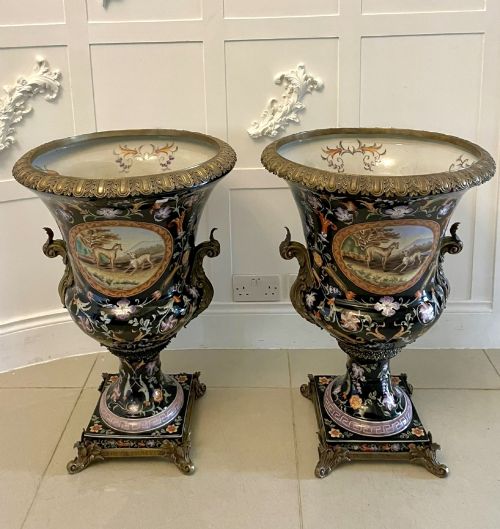
Mixed media assembly characterises the construction of these decorative objects. Brass mounts secure panels of Sèvres-style porcelain, white marble, onyx, and hand-painted enamel elements.
Ornate Brass Urns Retail Price Guide 2026
Typical asking prices for ornate brass urns among the pieces listed under this phrase on Sellingantiques today, from the lower quarter to the upper quarter. They describe what is for sale here now, not the wider market.
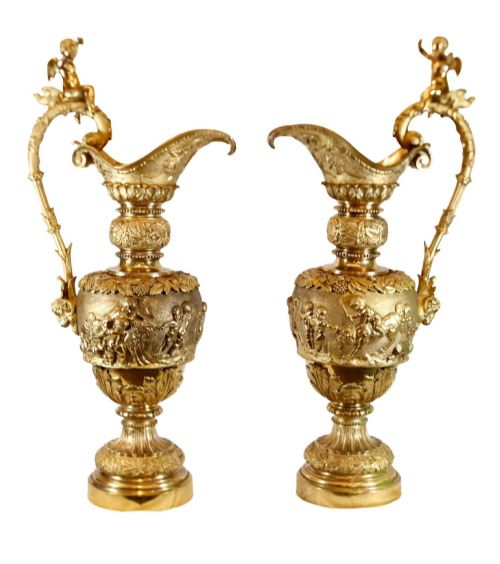
Bacchus and cherubs regularly peer out from nineteenth-century metalwork, ensuring your mantelpiece comes fully stocked with ancient revellers.
What varies in quality
The crispness of the original metal chasing separates master foundry work from routine production. Deeper relief work and clean undercutting retain their definition across complex foliate and figural designs.
The integration of secondary materials dictates the tier of the piece. High-grade assemblies employ unblemished white marble, fine hand-painted porcelain panels, and fire gilding rather than surface lacquer.
Achille Brocot·Samuel Marti
The Ornate Brass Urns Glossary
- Ormolu
- Gilded bronze produced through a mercury amalgamation process common in French decorative arts. This technique imparts a deep, warm golden lustre that ages slowly.
- Ewer
- A large jug with a wide spout and sculpted handle designed originally for pouring water. Victorian and French makers transformed them into purely decorative display pieces.
- Jardiniere
- An ornamental receptacle designed to hold potted plants or floral arrangements. These vessels frequently feature pierced brass bodies or porcelain body inserts.
- Garniture
- A set of matching ornamental objects, typically a central clock flanked by matching candelabras or vases. They were made to display as a unified mantelpiece arrangement.
Ornate Brass Urns: Frequently Asked Questions
What is the difference between an urn and a ewer?
An urn is a symmetrical, footed vessel with a closed or semi-closed top, built primarily for display or as part of a clock garniture.
A ewer functions structurally as a large jug with a handle and poured lip, though many nineteenth-century examples served strictly ornamental purposes.
How do I identify French revival styles?
Louis XVI Revival pieces display strict symmetry, neoclassical urn profiles, swags, and fluted columns derived from ancient Roman architecture.
French Rococo Revival embraces asymmetry, C-scrolls, naturalistic foliage, and dynamic figural work such as cherubs or mythological scenes.
Where should I place a heavy brass urn?
These pieces require solid surfaces capable of supporting substantial weight, particularly those incorporating marble or onyx bases.
Mantelpieces, sideboards, and heavy console tables provide stable settings that display the chased metalwork at eye level.
Can converted oil lamps be safely wired?
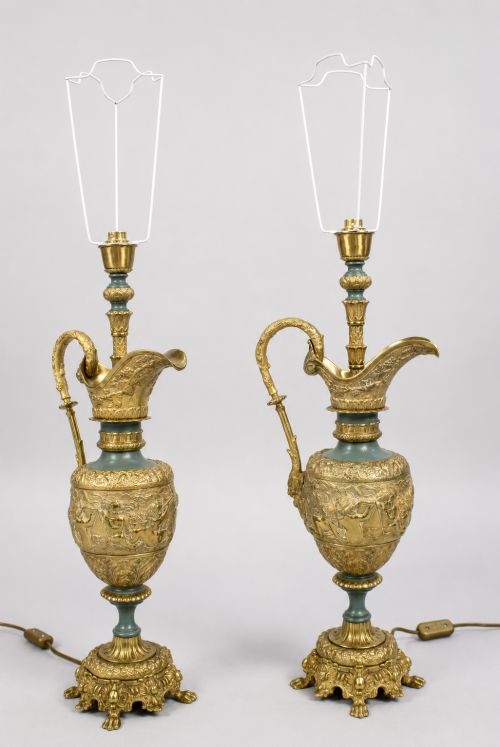
Many nineteenth-century candelabras and urn forms were adapted for electricity during twentieth-century domestic modernisation.
A qualified electrician can inspect the internal wiring channels and ensure the historic metal housing remains protected.